
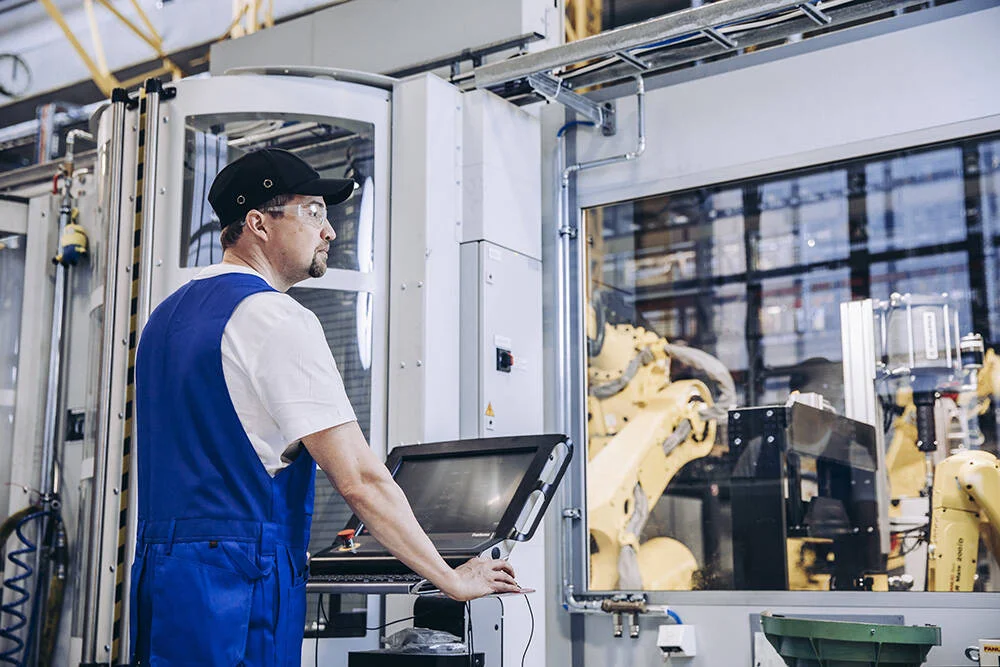
Efficient changeovers are a critical factor in modern manufacturing, directly impacting productivity, flexibility, and overall operational costs. As customer demands shift toward smaller batch sizes and greater product variety, the ability to switch production lines quickly and reliably becomes a key competitive advantage. Understanding how to improve changeover efficiency can help manufacturers reduce downtime, minimize waste, and increase throughput without compromising quality.
In this guide, we’ll explore practical strategies for streamlining changeovers, from process standardization to leveraging digital tools. Whether you’re managing a high-volume facility or a specialized production line, optimizing these transitions can unlock significant value across your operation.
For those interested in the role of advanced technologies, exploring augmented reality in quality audits can provide further insights into digital transformation in manufacturing environments.
Understanding Changeover and Its Impact on Production
Changeover refers to the process of switching a manufacturing line or machine from producing one product to another. This transition can involve equipment adjustments, cleaning, tooling changes, software updates, and quality checks. The time taken for these activities, known as changeover time, directly affects production efficiency and scheduling flexibility.
Long or inconsistent changeover times can lead to:
- Reduced machine utilization
- Increased labor costs
- Higher risk of errors or defects
- Lower overall equipment effectiveness (OEE)
- Difficulty meeting customer delivery requirements
By focusing on how to improve changeover efficiency, manufacturers can address these challenges and create a more responsive, cost-effective operation.
Key Strategies for Streamlining Changeover Processes
Improving changeover performance requires a combination of process optimization, workforce training, and sometimes investment in technology. Below are proven approaches to accelerate and standardize changeovers:
1. Standardize and Document Changeover Procedures
One of the most effective ways to reduce variability is to create clear, step-by-step instructions for each changeover scenario. Standard operating procedures (SOPs) should be:
- Visually documented with photos or diagrams
- Accessible at the point of use
- Regularly reviewed and updated based on feedback
Standardization ensures that every operator follows the same best practices, minimizing mistakes and unnecessary delays.
2. Separate Internal and External Tasks
The Single-Minute Exchange of Die (SMED) methodology emphasizes distinguishing between internal tasks (those that require the machine to be stopped) and external tasks (those that can be done while the machine is running). By moving as many tasks as possible to the external category, you can significantly reduce downtime.
For example, preparing tools, materials, and documentation in advance allows operators to focus on essential adjustments during the actual changeover window.
3. Invest in Training and Cross-Skilling
Operators with thorough training and cross-functional skills can perform changeovers more quickly and accurately. Regular workshops, hands-on demonstrations, and peer learning sessions help build confidence and consistency across shifts.
Encouraging a culture of continuous improvement also motivates teams to identify bottlenecks and suggest incremental changes to the process.
4. Use Visual Management and Error-Proofing
Visual cues such as color-coded tools, labeled storage areas, and digital displays can guide operators through each step, reducing the risk of missed or incorrect actions. Error-proofing devices (poka-yoke) can further ensure that components are installed correctly and in the right sequence.
These visual and physical controls make the process more intuitive and less reliant on memory or experience.
5. Leverage Digital Tools and Automation
Modern manufacturing facilities are increasingly turning to digital solutions to monitor and optimize changeover activities. Examples include:
- Digital work instructions accessible via tablets or smart glasses
- Automated scheduling and notification systems
- Real-time tracking of changeover times and bottlenecks
- Data analytics to identify trends and improvement opportunities
For advanced applications, integrating wearable AI for manual inspection support or exploring vision transformers for industrial use can further enhance accuracy and speed during product transitions.
Measuring and Sustaining Changeover Improvements
To ensure ongoing progress, it’s essential to track key metrics and involve teams in regular reviews. Common indicators include:
- Average changeover time per product or line
- Frequency of errors or rework after changeovers
- Downtime attributed to changeover activities
- Operator feedback and suggestions
Using digital dashboards or simple visual boards can help teams see trends and celebrate improvements. Regularly scheduled kaizen events or improvement workshops encourage a culture of continuous learning and adaptation.
For additional strategies on maximizing asset utilization and reliability, consider reading about increasing production efficiency through maintenance best practices.
Common Pitfalls and How to Avoid Them
While focusing on how to improve changeover efficiency, it’s important to avoid some frequent mistakes:
- Neglecting operator input: Those performing the changeovers often have the best insights into what works and what doesn’t. Involve them in process reviews and improvement initiatives.
- Overcomplicating procedures: Excessively detailed or rigid instructions can slow down experienced operators. Balance standardization with flexibility for minor adjustments.
- Ignoring equipment condition: Worn tools or poorly maintained machines can extend changeover times. Regular maintenance and timely replacement of parts are crucial.
- Lack of follow-up: Implementing changes without monitoring results can lead to backsliding. Set up regular audits and feedback loops to sustain gains.
Integrating Changeover Optimization with Broader Production Goals
Improving changeover processes should align with broader objectives such as quality, safety, and agility. For example, integrating monitoring AI model drift in factories can help maintain accuracy during product transitions, especially when automated inspection systems are involved.
Additionally, optimizing changeovers supports lean manufacturing principles by reducing waste, enabling smaller batch sizes, and supporting just-in-time production. This flexibility is increasingly important as manufacturers respond to dynamic market conditions and customer preferences.
FAQ: Changeover Efficiency in Manufacturing
What is the most effective way to reduce changeover time?
The most effective approach is to standardize procedures and separate internal from external tasks, allowing as much preparation as possible to occur while machines are still running. Regular training and visual aids also play a significant role in speeding up transitions.
How can digital tools help with changeover optimization?
Digital tools such as tablets with work instructions, real-time tracking systems, and automated notifications can streamline communication, reduce errors, and provide actionable data for continuous improvement. Advanced solutions like AI-powered inspection can further enhance speed and accuracy.
Why is operator involvement important in improving changeover efficiency?
Operators have firsthand experience with the challenges and nuances of each changeover. Their input is invaluable for identifying bottlenecks, suggesting practical improvements, and ensuring that new procedures are realistic and effective.
How often should changeover procedures be reviewed?
Procedures should be reviewed regularly, especially after introducing new products, equipment, or technologies. Continuous feedback and periodic audits help keep instructions relevant and effective.
Conclusion
Enhancing changeover efficiency is a multifaceted effort that combines process standardization, workforce development, and the adoption of digital tools. By focusing on these areas, manufacturers can reduce downtime, increase flexibility, and better meet the demands of today’s markets. Continuous measurement and operator engagement are essential for sustaining improvements and driving long-term success in production environments.