

Manufacturing leaders are under constant pressure to deliver higher output, better quality, and lower costs. Achieving these goals depends on tracking and optimizing the right performance indicators. Understanding how to improve factory performance metrics is essential for any organization aiming to stay competitive in a rapidly changing industrial landscape.
Performance metrics in manufacturing—such as throughput, yield, downtime, and overall equipment effectiveness (OEE)—offer a clear view of operational health. However, simply measuring these numbers is not enough. The real value comes from using data-driven strategies and modern technologies to drive continuous improvement. In this article, we’ll break down proven approaches, highlight practical tools, and share actionable steps for boosting your factory’s key indicators.
For those interested in leveraging advanced technologies, integrating solutions like augmented reality in quality audits can provide real-time insights and help visualize data for faster decision-making. These innovations are reshaping how factories monitor and enhance their operations.
Understanding Key Manufacturing Metrics
Before diving into improvement strategies, it’s important to clarify which metrics matter most. The following are commonly used in manufacturing environments:
- Overall Equipment Effectiveness (OEE): Combines availability, performance, and quality to show how effectively equipment is being used.
- Yield: The percentage of products manufactured correctly the first time without rework or scrap.
- Throughput: The amount of product produced in a given period.
- Downtime: Time when equipment or processes are not operational, often due to maintenance or unexpected failures.
- Cycle Time: The total time to produce one unit, from start to finish.
Focusing on these indicators helps identify bottlenecks and areas for improvement. By understanding the baseline, you can set realistic targets and measure progress over time.
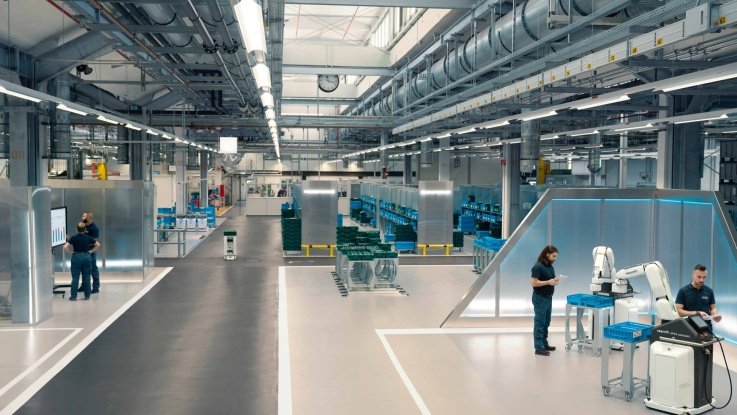
Strategies for Enhancing Factory Performance
Improving factory metrics requires a combination of process optimization, workforce engagement, and technology adoption. Here are several practical strategies to consider:
1. Embrace Data-Driven Decision Making
Modern factories generate vast amounts of data from machines, sensors, and enterprise systems. Leveraging this data is crucial for identifying trends and root causes of inefficiencies. Implementing real-time dashboards and analytics tools enables managers to monitor performance and respond quickly to issues.
For example, tracking OEE in real time can reveal which machines are causing the most downtime or quality losses. By focusing improvement efforts where they matter most, factories can achieve significant gains in productivity.
2. Standardize and Streamline Processes
Variation in processes often leads to inconsistent results. Standard operating procedures (SOPs) ensure that best practices are followed on every shift. Regularly reviewing and updating SOPs, combined with employee training, helps maintain high standards and reduces errors.
Additionally, techniques such as Lean Manufacturing and Six Sigma provide structured approaches for eliminating waste and reducing variation. These methodologies have been proven to increase yield and lower cycle times across industries.
3. Invest in Workforce Development
Operators and technicians are the backbone of any manufacturing operation. Providing ongoing training and involving employees in problem-solving initiatives fosters a culture of continuous improvement. Empowered teams are more likely to spot inefficiencies and suggest practical solutions.
Digital tools, such as wearable AI for manual inspection support, can further enhance workforce capabilities by providing real-time guidance and reducing human error.
4. Leverage Automation and Smart Technologies
Automation is a powerful lever for improving throughput and reducing downtime. Robotics, automated guided vehicles (AGVs), and machine vision systems can handle repetitive tasks with high accuracy and speed. Integrating these technologies into your production lines can free up human workers for higher-value activities.
Emerging solutions like vision transformers for industrial use are enabling factories to detect defects and monitor processes more effectively than ever before.

5. Monitor and Address Model Drift in AI Systems
As factories adopt AI-driven quality control and predictive maintenance, it’s important to ensure these models remain accurate over time. Monitoring AI model drift in factories helps maintain the reliability of automated systems and prevents performance degradation.
Regularly retraining models with new data and validating their outputs ensures that AI continues to deliver value and supports ongoing improvement of key metrics.
6. Optimize Maintenance Practices
Unplanned downtime is a major drain on productivity. Implementing preventive and predictive maintenance strategies can significantly reduce equipment failures. Using sensors and analytics to monitor machine health allows maintenance teams to address issues before they lead to costly breakdowns.
Effective maintenance not only improves equipment availability but also extends asset life and reduces repair costs.
Continuous Improvement and Benchmarking
Improving factory metrics is not a one-time project but an ongoing journey. Establishing a culture of continuous improvement encourages teams to regularly review performance, experiment with new ideas, and share best practices across the organization.
Benchmarking against industry standards or similar facilities provides valuable context for setting realistic goals. It also helps identify gaps and prioritize initiatives that will have the greatest impact.
For additional strategies on boosting productivity and efficiency, consider reviewing expert guidance on improving productivity and efficiency in manufacturing from industry thought leaders.
Measuring Progress and Sustaining Results
To ensure that improvements are effective, it’s essential to track progress over time. Use visual management tools such as scoreboards and dashboards to keep teams informed and motivated. Celebrate milestones and recognize contributions to reinforce positive behaviors.
Regular audits and reviews help sustain gains and identify new opportunities for optimization. Advanced analytics can uncover hidden patterns and support data-driven decision-making at every level of the organization.
Frequently Asked Questions
What are the most important metrics to track in a factory?
The most critical metrics include overall equipment effectiveness (OEE), yield, throughput, downtime, and cycle time. These indicators provide a comprehensive view of operational performance and help identify areas for improvement.
How can technology help improve manufacturing performance?
Technologies such as automation, machine vision, AI-driven analytics, and wearable devices enable real-time monitoring, reduce errors, and support data-driven decision-making. They also streamline processes and empower workers to achieve higher productivity and quality.
What is the role of continuous improvement in manufacturing?
Continuous improvement involves regularly reviewing processes, engaging employees in problem-solving, and implementing incremental changes. This approach helps factories adapt to changing demands, maintain high standards, and sustain gains in performance over the long term.