
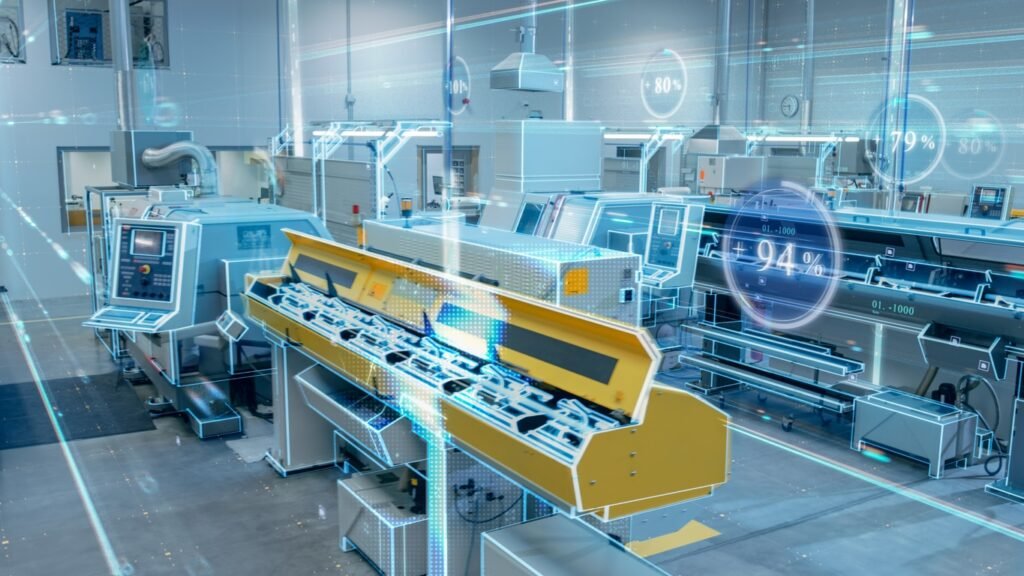
Enhancing logistics efficiency within production environments is a top priority for manufacturers aiming to reduce costs, boost productivity, and stay competitive. Efficient logistics ensures that materials, components, and finished goods move seamlessly through the supply chain, minimizing delays and bottlenecks. This guide explores proven strategies, technological advancements, and practical steps to optimize logistics processes for better outcomes on the factory floor.
As production systems become more complex, integrating innovative solutions such as automation, real-time data tracking, and digital tools is increasingly important. These approaches not only streamline operations but also contribute to higher quality and agility. For those interested in leveraging advanced technologies, exploring topics like augmented reality in quality audits can offer additional insights into modernizing manufacturing workflows.
Key Principles for Streamlining Production Logistics
Improving logistics efficiency in manufacturing requires a holistic approach that addresses both physical and digital aspects of the supply chain. The following principles form the foundation for effective logistics management:
- Visibility: Real-time tracking of materials and products helps prevent shortages and overstocking.
- Standardization: Consistent processes reduce errors and simplify training for new staff.
- Collaboration: Close coordination between procurement, production, and distribution teams ensures smooth handoffs.
- Continuous Improvement: Regularly reviewing and refining logistics processes leads to sustained gains in efficiency.
Leveraging Technology to Enhance Logistics Performance
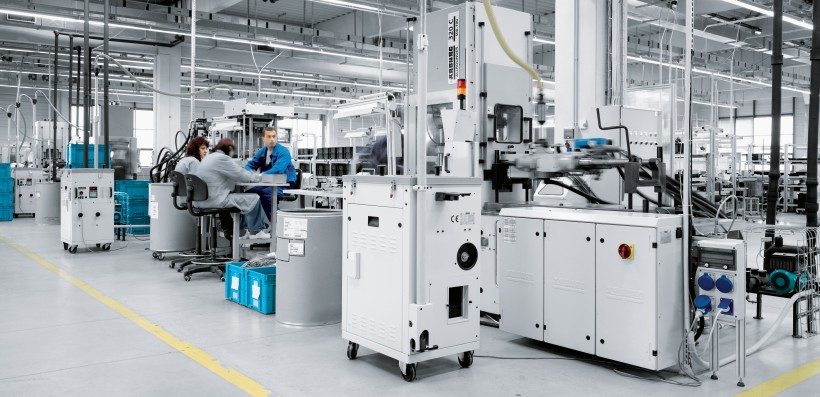
Modern production facilities increasingly rely on digital tools to optimize logistics. Technologies such as warehouse management systems (WMS), automated guided vehicles (AGVs), and Internet of Things (IoT) sensors can transform how materials flow through a factory. Here are some impactful ways technology can drive logistics improvements:
- Automated Inventory Management: Deploying WMS and barcode scanning reduces manual errors and speeds up stocktaking.
- Real-Time Data Analytics: Monitoring key performance indicators (KPIs) helps identify bottlenecks and inefficiencies quickly.
- Predictive Maintenance: IoT sensors can forecast equipment failures, reducing unexpected downtime and keeping logistics on track.
- Digital Twins: Simulating logistics flows in a virtual environment allows for testing improvements before implementing them on the shop floor.
Adopting these technologies not only increases accuracy but also frees up personnel to focus on higher-value tasks, further boosting productivity.
Best Practices for Improving Material Flow
Optimizing the movement of materials is central to logistics efficiency in any production setting. The following best practices can help:
- Layout Optimization: Arrange workstations and storage areas to minimize unnecessary movement and handling.
- Just-in-Time (JIT) Delivery: Schedule material deliveries to arrive as needed, reducing inventory holding costs.
- Kanban Systems: Implement visual cues to signal when more materials are required, streamlining replenishment.
- Cross-Training Staff: Equip employees with multiple skills so they can address issues as they arise, keeping workflows flexible.
These practices, when combined, create a more responsive and resilient logistics operation, capable of adapting to changes in demand or supply chain disruptions.
Integrating Automation for Greater Efficiency
Automation is a powerful driver for logistics optimization in manufacturing. By automating repetitive tasks, companies can achieve faster throughput, fewer errors, and better scalability. Examples of automation in logistics include:

- Automated Guided Vehicles (AGVs): These vehicles transport materials between stations without human intervention, reducing transit times.
- Robotic Picking Systems: Robots can quickly and accurately pick and place items, improving order fulfillment speed.
- Conveyor Systems: Automated conveyors move goods efficiently through different stages of production and packaging.
Integrating automation requires upfront investment, but the long-term gains in efficiency, accuracy, and labor savings can be substantial.
Measuring and Monitoring Logistics Efficiency
To ensure continuous improvement, it’s essential to track the right metrics. Common indicators used to assess logistics performance in production include:
- Order Cycle Time: The time taken from receiving an order to its fulfillment.
- Inventory Turnover: How often inventory is sold and replaced over a period.
- On-Time Delivery Rate: The percentage of orders delivered on or before the promised date.
- Logistics Cost per Unit: Total logistics expenses divided by the number of units produced.
Regularly reviewing these metrics helps identify areas for improvement and supports data-driven decision-making. For more detailed strategies, resources like this guide on boosting production efficiency offer valuable perspectives on optimizing operations.
Overcoming Common Challenges in Production Logistics
Even with the best systems in place, manufacturers often face obstacles that can hinder logistics performance. Some of the most frequent challenges include:
- Supply Chain Disruptions: Delays from suppliers or transportation issues can halt production lines.
- Data Silos: Lack of integration between systems leads to incomplete or outdated information.
- Resistance to Change: Employees may be hesitant to adopt new technologies or processes.
- Complex Product Mixes: Managing logistics for a wide variety of products adds complexity to planning and execution.
Addressing these challenges requires proactive planning, investment in training, and a commitment to fostering a culture of continuous improvement. Leveraging advanced solutions such as wearable AI for manual inspection support can also help bridge gaps in quality and efficiency.
FAQ: Improving Logistics in Manufacturing Environments
What are the first steps to take when optimizing logistics in production?
Begin by mapping current processes, identifying bottlenecks, and collecting baseline data on key metrics. Engage cross-functional teams to gain a comprehensive view of challenges and opportunities. From there, prioritize changes that offer the highest impact with manageable risk.
How can digital tools help with logistics efficiency?
Digital tools such as warehouse management systems, real-time tracking, and analytics platforms provide greater visibility and control over logistics operations. They enable faster decision-making, reduce manual errors, and support predictive planning for inventory and maintenance needs.
What role does employee training play in logistics optimization?
Well-trained staff are essential for successful logistics improvements. Training ensures that employees understand new systems and processes, can respond to issues quickly, and contribute to a culture of continuous improvement. Cross-training also adds flexibility, allowing teams to adapt to changing demands.
Conclusion
Boosting logistics efficiency in production is a multifaceted effort that combines process optimization, technological adoption, and ongoing measurement. By focusing on visibility, automation, and continuous improvement, manufacturers can achieve smoother operations, reduced costs, and greater adaptability. Staying informed about emerging trends—such as vision transformers for industrial use or monitoring AI model drift in factories—can further enhance logistics strategies and position organizations for future success.