
Delivering consistent, high-quality products is essential for any manufacturing or production environment. Companies that focus on how to improve output quality not only reduce waste and costs, but also build stronger reputations and customer loyalty. Achieving this goal requires a blend of process optimization, employee engagement, technology adoption, and a culture of continuous improvement.
This article explores practical strategies to enhance production results, minimize defects, and ensure that every item leaving the line meets or exceeds standards. We’ll cover proven methods, modern tools, and actionable steps that can be implemented in various industries. For those interested in leveraging advanced technologies, exploring augmented reality in quality audits can provide valuable insights into visualizing data and improving inspection accuracy.
Understanding the Foundations of Output Quality
Before making improvements, it’s important to define what quality means for your specific production process. Quality can refer to meeting customer requirements, adhering to regulatory standards, or minimizing defects and rework. Establishing clear benchmarks and metrics is the first step in any quality improvement initiative.
Common measures include defect rates, first-pass yield, customer complaints, and on-time delivery. By tracking these metrics, organizations can identify trends and pinpoint areas that need attention.
Key Strategies for Enhancing Production Results
Improving output quality is a multifaceted effort. Here are some of the most effective approaches that manufacturers and production teams can adopt:
1. Standardize Processes and Work Instructions
Variation is a major source of quality issues. By standardizing processes and providing clear, accessible work instructions, companies can ensure that every operator follows the same steps. This reduces errors and makes it easier to identify where problems occur.
- Develop detailed standard operating procedures (SOPs).
- Use visual aids and checklists to reinforce correct practices.
- Regularly review and update documentation as processes evolve.
2. Invest in Employee Training and Engagement
Skilled, motivated employees are essential for maintaining high standards. Ongoing training ensures that staff understand both the technical and quality aspects of their roles. Encourage a culture where workers feel empowered to report issues and suggest improvements.
- Provide hands-on training for new equipment and procedures.
- Offer refresher courses and cross-training opportunities.
- Recognize and reward employees who contribute to quality improvements.

3. Leverage Technology for Real-Time Monitoring
Modern production environments benefit from digital tools that provide real-time data on process performance. Sensors, IoT devices, and quality management software can help detect deviations before they result in defects.
For example, implementing wearable AI for manual inspection support can assist operators in identifying issues early, reducing the risk of faulty products reaching customers.
- Install sensors to monitor key parameters (temperature, pressure, etc.).
- Use dashboards to visualize trends and spot anomalies quickly.
- Automate alerts for out-of-spec conditions to prompt immediate action.
4. Implement Continuous Improvement Methodologies
Adopting frameworks like Lean, Six Sigma, or Total Quality Management (TQM) can drive ongoing enhancements. These methodologies focus on eliminating waste, reducing variation, and fostering a mindset of constant progress.
- Conduct regular root cause analyses using tools like the 5 Whys or fishbone diagrams.
- Encourage small, incremental changes through Kaizen events.
- Track the impact of improvements to ensure lasting results.
Advanced Approaches to Boost Output Quality
As production challenges become more complex, advanced solutions are increasingly valuable. Here are some innovative techniques that can take quality to the next level:
Data-Driven Decision Making
Collecting and analyzing production data enables organizations to make informed decisions. Statistical process control (SPC) charts, for example, help visualize process stability and highlight when corrective action is needed.
Predictive analytics can also forecast potential issues, allowing teams to intervene proactively rather than reactively.
Automation and Robotics
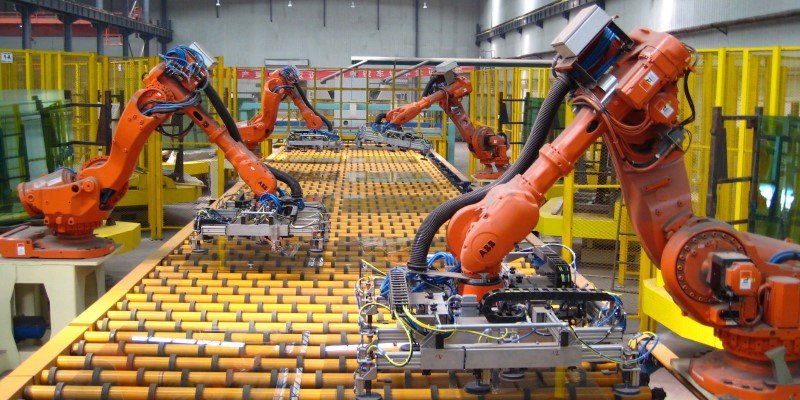
Automating repetitive or high-precision tasks reduces human error and increases consistency. Robotics can handle delicate assembly, inspection, or packaging operations with greater accuracy than manual methods.
- Automated inspection systems can detect defects that might be missed by the human eye.
- Collaborative robots (cobots) can work alongside employees to enhance productivity and quality.

Embracing AI and Machine Learning
Artificial intelligence is transforming quality control. Machine learning models can analyze images, sensor data, and production logs to detect subtle patterns that indicate quality risks. For those interested in the latest advancements, exploring vision transformers for industrial use reveals how next-generation vision systems are revolutionizing inspection accuracy.
AI-powered solutions can also help with hyperparameter tuning for inspection models, optimizing algorithms to achieve the highest possible detection rates.
Quality Assurance Best Practices
Beyond process and technology, certain best practices are universally effective in supporting higher output standards:
- Establish clear quality objectives and communicate them across the organization.
- Involve all departments, from procurement to shipping, in quality initiatives.
- Conduct regular audits and encourage feedback from both employees and customers.
- Document lessons learned from failures and share them to prevent recurrence.
For a deeper dive into production efficiency and how it relates to quality, consider reading this comprehensive guide to production efficiency.
Overcoming Common Challenges in Quality Improvement
While the benefits of higher output standards are clear, organizations often face obstacles such as resistance to change, limited resources, or outdated equipment. Addressing these challenges requires leadership commitment, clear communication, and a willingness to invest in both people and technology.
Monitoring and adapting to changes over time is also crucial. For example, monitoring AI model drift in factories ensures that automated inspection systems remain accurate as conditions evolve.
Frequently Asked Questions
What are the most important metrics for measuring output quality?
Key metrics include defect rate, first-pass yield, rework percentage, customer complaints, and on-time delivery. Tracking these indicators helps identify trends and areas for improvement.
How can technology help reduce defects in production?
Technologies such as sensors, IoT devices, AI-powered inspection systems, and real-time monitoring tools can detect deviations early, automate quality checks, and provide actionable data to prevent defects before they reach the customer.
What role does employee training play in quality improvement?
Effective training ensures that staff understand procedures, quality standards, and how to use equipment correctly. Engaged employees are more likely to spot issues, suggest improvements, and maintain high standards throughout the production process.
Improving the quality of production output is an ongoing journey. By combining standardized processes, employee engagement, advanced technology, and a culture of continuous improvement, organizations can achieve lasting gains in efficiency, customer satisfaction, and profitability.