

Frequent equipment failures can disrupt manufacturing schedules, increase costs, and lower overall productivity. For production managers and maintenance teams, understanding how to reduce machine breakdowns is essential to maintaining smooth operations and achieving business goals. By focusing on proactive strategies, regular maintenance, and leveraging data-driven insights, organizations can significantly minimize unplanned downtime and extend the lifespan of their assets.
In this article, we’ll explore practical steps and proven techniques to decrease the frequency of equipment failures on the shop floor. We’ll also highlight how improving maintenance planning and monitoring key performance indicators can help you build a more resilient production environment. For a deeper dive into measuring and optimizing asset performance, see overall equipment effectiveness explained.
Understanding the Causes of Equipment Failure
Before implementing solutions, it’s important to identify the root causes behind frequent stoppages. Some of the most common reasons for machinery issues in manufacturing include:
- Lack of preventive maintenance – Skipping scheduled inspections and servicing can lead to unexpected failures.
- Operator errors – Inadequate training or lapses in following standard procedures may result in avoidable breakdowns.
- Poor lubrication and contamination – Insufficient lubrication or the presence of dust, debris, or moisture can accelerate wear.
- Component fatigue – Over time, parts naturally degrade and require timely replacement.
- Improper installation or setup – Incorrect assembly or calibration can cause premature equipment issues.
By addressing these underlying factors, organizations can lay the groundwork for more reliable operations.
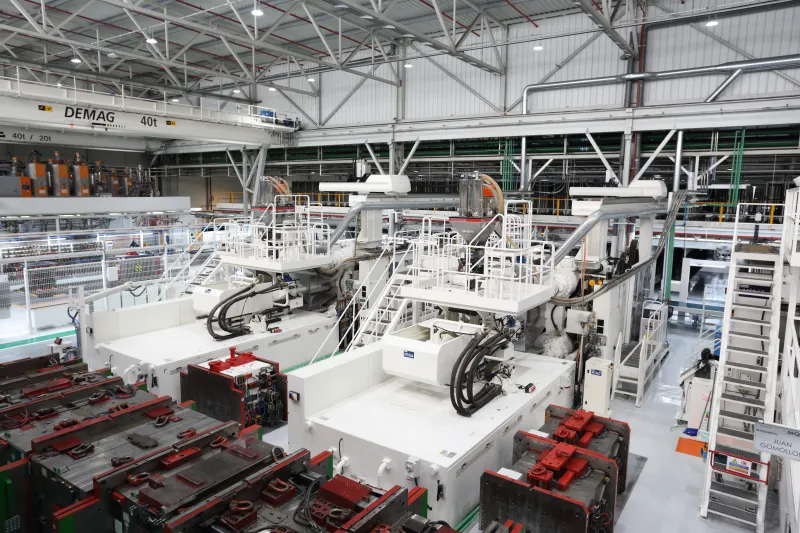
Implementing Preventive and Predictive Maintenance
One of the most effective ways to minimize unplanned downtime is through a robust maintenance program. Preventive maintenance involves scheduled inspections, lubrication, adjustments, and part replacements before failures occur. This proactive approach helps catch issues early and keeps machines running at peak efficiency.
In addition, predictive maintenance uses real-time data from sensors and monitoring systems to detect signs of wear or abnormal conditions. By analyzing vibration, temperature, and other parameters, teams can anticipate problems and intervene before a breakdown happens.
For practical tips on developing a structured maintenance schedule, see our guide on how to improve machine maintenance planning.
Key Steps for Effective Maintenance
- Establish a regular inspection and servicing calendar for all critical assets.
- Train operators to recognize early warning signs and report anomalies promptly.
- Use checklists to ensure all maintenance tasks are completed consistently.
- Leverage digital tools for tracking work orders and maintenance history.
- Invest in condition monitoring technologies for high-value equipment.
Optimizing Production Layout and Workflow
The physical arrangement of machines and the flow of materials can also impact equipment reliability. Poorly organized layouts may lead to excessive machine starts and stops, unnecessary handling, or increased risk of collisions and damage.
Streamlining workflow and ensuring that machines are positioned for optimal access and safety can help reduce mechanical stress and the likelihood of breakdowns. For more on this topic, explore strategies in how to improve factory layout and how to improve production flow.
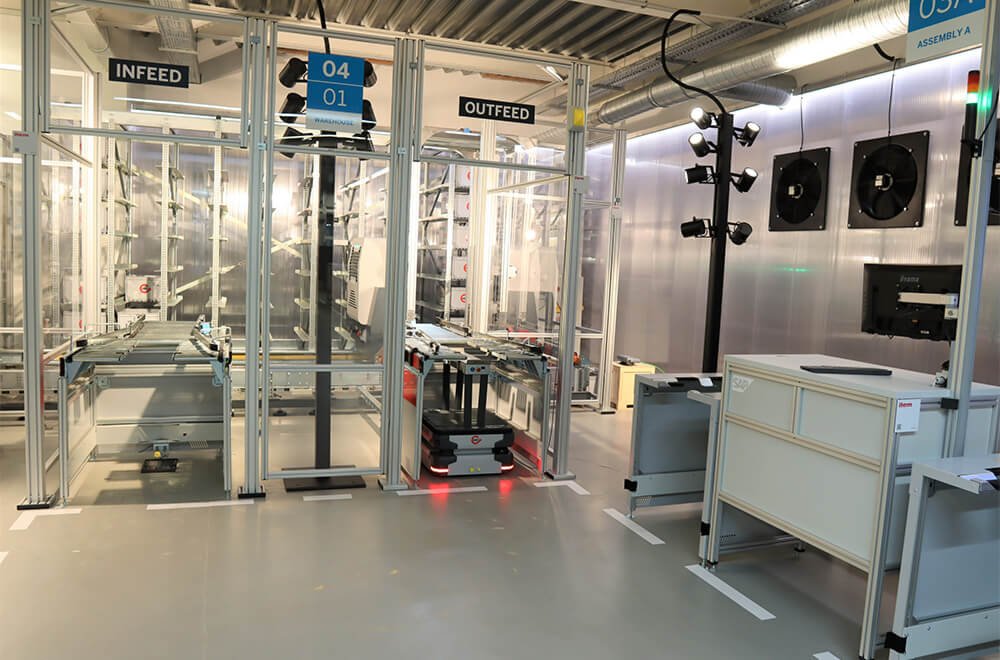
Training and Empowering Operators
Well-trained staff are a crucial line of defense against equipment failures. Operators who understand machine functions, safe operating procedures, and basic troubleshooting are less likely to make mistakes that lead to breakdowns.
- Provide comprehensive onboarding and refresher training for all machine operators.
- Encourage a culture of accountability and proactive reporting of issues.
- Empower staff to participate in continuous improvement initiatives.
Involving operators in routine maintenance tasks, such as cleaning and basic inspections, can also help catch potential problems early.
Monitoring Performance and Analyzing Data
Tracking key performance indicators (KPIs) is essential for identifying trends and areas for improvement. Metrics such as mean time between failures (MTBF), mean time to repair (MTTR), and equipment availability provide valuable insights into the effectiveness of your maintenance strategies.
Regularly reviewing this data can help you spot recurring issues, prioritize maintenance resources, and justify investments in upgrades or replacements. For a comprehensive overview of how to measure and boost asset performance, see how to improve equipment effectiveness.
Leveraging Technology to Prevent Downtime
Modern manufacturing facilities are increasingly adopting digital solutions to enhance reliability. Technologies such as Internet of Things (IoT) sensors, computerized maintenance management systems (CMMS), and machine learning algorithms enable predictive analytics and real-time alerts.
These tools help maintenance teams respond quickly to anomalies, optimize spare parts inventory, and reduce the risk of unexpected stoppages. For additional ideas on boosting efficiency, consider reading five steps to improve manufacturing efficiency.
Frequently Asked Questions
What is the difference between preventive and predictive maintenance?
Preventive maintenance is based on scheduled inspections and servicing at regular intervals, regardless of equipment condition. Predictive maintenance relies on real-time data to assess the actual state of machinery and schedules interventions only when indicators suggest a potential problem. Both approaches aim to reduce unplanned downtime but use different methods to achieve this goal.
How can operator training help decrease equipment failures?
Properly trained operators are less likely to make mistakes that cause breakdowns. Training ensures staff understand safe operating procedures, can identify early warning signs of trouble, and know how to perform basic maintenance tasks. This proactive involvement helps prevent minor issues from escalating into major failures.
Which key metrics should be monitored to track progress in reducing breakdowns?
Important metrics include mean time between failures (MTBF), mean time to repair (MTTR), and overall equipment effectiveness (OEE). Monitoring these indicators helps organizations evaluate the success of their maintenance strategies and identify areas for further improvement.
Conclusion
Reducing the frequency of equipment failures in manufacturing requires a combination of proactive maintenance, effective training, optimized layouts, and data-driven decision-making. By addressing root causes, investing in technology, and fostering a culture of continuous improvement, organizations can achieve more reliable operations and greater productivity. Implementing these strategies not only minimizes costly downtime but also extends the lifespan of valuable assets and supports long-term business success.