
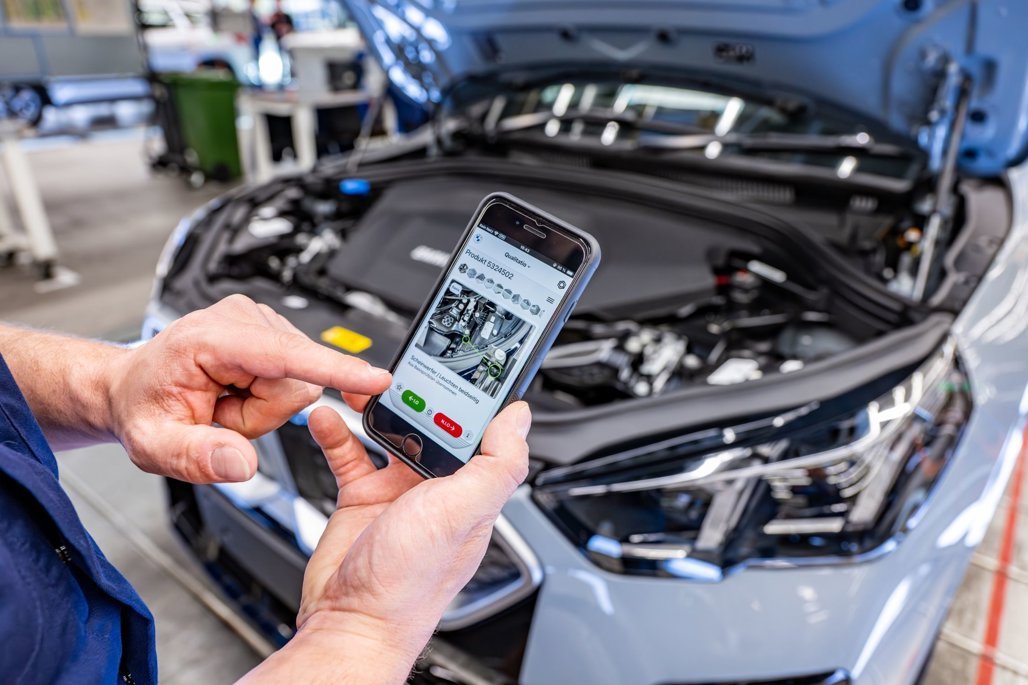
Scaling AI-powered inspection systems across several manufacturing facilities is a complex but increasingly necessary step for organizations aiming to maintain consistent quality and operational efficiency. As digital transformation accelerates, manufacturers are looking for ways to deploy intelligent inspection solutions that can adapt to different environments, product lines, and operational challenges. This guide explores the practical steps, challenges, and best practices for expanding automated inspection using artificial intelligence across multiple sites.
Implementing AI inspection at a single location is a significant achievement, but replicating that success across a network of plants requires careful planning and execution. Factors such as data standardization, model retraining, hardware compatibility, and workforce readiness all play a role. By understanding these elements, businesses can avoid common pitfalls and maximize the benefits of AI-driven quality control.
For organizations interested in leveraging additional digital tools, integrating solutions like augmented reality in quality audits can further enhance visibility and data-driven decision-making across distributed sites.
Key Considerations for Expanding AI Inspection Solutions
Before rolling out AI-based inspection to multiple facilities, it’s essential to evaluate the current state of your systems and processes. Here are some critical factors to address:
- Data Consistency: Ensure that all plants use standardized data formats and labeling conventions. This makes it easier to train and deploy models that perform reliably across locations.
- Infrastructure Readiness: Assess whether existing hardware—such as cameras, sensors, and computing resources—can support AI workloads. Upgrades may be necessary to achieve consistent results.
- Model Adaptability: AI models often require fine-tuning to account for variations in lighting, product types, and process flows at different sites. Plan for ongoing retraining and validation.
- Change Management: Successful scaling depends on employee buy-in and adequate training. Prepare teams for new workflows and provide resources to ease the transition.
Building a Scalable AI Inspection Framework
To efficiently scale automated inspection, organizations need a robust framework that supports deployment, monitoring, and continuous improvement. Here’s how to approach this process:
- Centralize Data Management: Use a unified data platform to collect, store, and label images and inspection results from all plants. This enables more effective model training and benchmarking.
- Develop Modular AI Models: Create inspection models that can be adapted or retrained for different environments. Modular architectures allow for easier updates and customization.
- Automate Deployment: Leverage containerization and orchestration tools to streamline the rollout of AI models to multiple sites. Automation reduces manual errors and accelerates time-to-value.
- Monitor Performance: Continuously track model accuracy, false positives/negatives, and operational KPIs. Set up alerts and dashboards to quickly identify issues and trigger retraining when needed.
- Enable Feedback Loops: Encourage operators to flag missed defects or incorrect classifications. Use this feedback to improve models and adapt to evolving production realities.
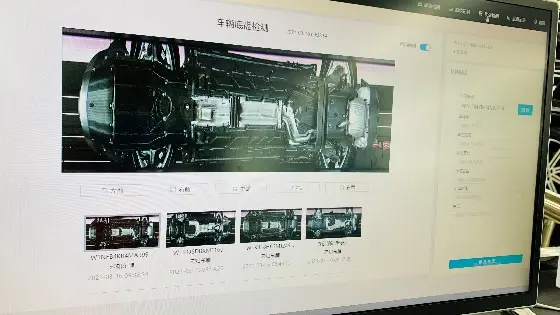
Overcoming Common Challenges When Scaling AI Inspection
Expanding AI inspection across a network of plants introduces several challenges, from technical hurdles to organizational resistance. Addressing these proactively is key to achieving consistent quality and efficiency.
- Data Variability: Different plants may have unique lighting, backgrounds, or product variations. Collect diverse datasets from each site and use data augmentation to improve model robustness.
- Model Drift: Over time, changes in production processes or materials can cause AI models to lose accuracy. Regularly monitor for drift and retrain models as needed. For more on this, see monitoring AI model drift in factories.
- Integration with Legacy Systems: Many plants rely on older equipment. Ensure your AI solution can interface with existing machinery and IT infrastructure, or plan for phased upgrades.
- Workforce Adaptation: Employees may be wary of new technology. Provide clear communication, hands-on training, and support to foster acceptance and skill development.
Best Practices for Efficient Multi-Plant AI Inspection Rollouts
Implementing AI inspection at scale is a journey that benefits from a structured approach. Here are proven strategies to streamline deployment and maximize ROI:
- Pilot First, Then Expand: Start with a pilot project at one or two representative plants. Use lessons learned to refine your approach before rolling out to additional sites.
- Standardize Processes: Develop and document standard operating procedures for data collection, model deployment, and issue resolution. Consistency accelerates scaling and simplifies troubleshooting.
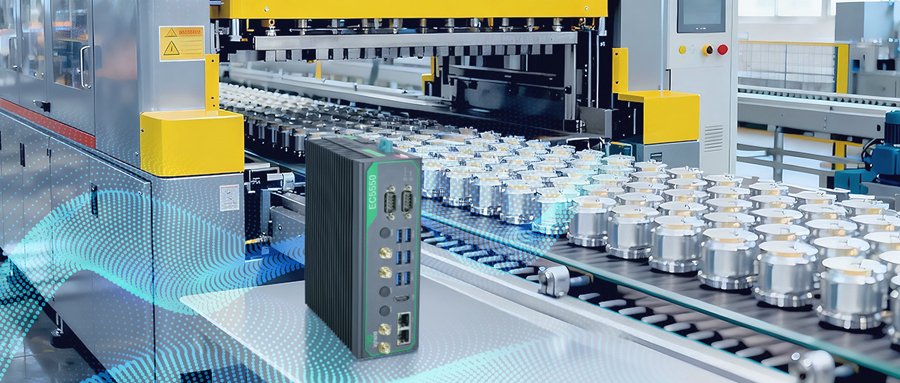
- Leverage Cloud and Edge Computing: Use cloud platforms for centralized model training and analytics, while deploying inference engines at the edge for real-time inspection.
- Collaborate Across Teams: Involve IT, operations, and quality assurance teams early and often. Cross-functional collaboration ensures that solutions meet both technical and business requirements.
- Invest in Training: Equip staff with the knowledge and tools needed to operate, maintain, and improve AI inspection systems. Consider digital helpers such as wearable AI for manual inspection support to assist operators on the shop floor.
Optimizing AI Models for Diverse Plant Environments
One of the biggest hurdles in scaling AI inspection is ensuring that models perform well in different operational contexts. Here’s how to optimize for variability:
- Custom Training: Collect site-specific data and retrain models to account for unique conditions at each plant. This improves accuracy and reduces false detections.
- Hyperparameter Tuning: Adjust model parameters to optimize performance for each environment. Explore advanced techniques in hyperparameter tuning for inspection models to achieve the best results.
- Adopt Next-Gen Architectures: Consider using advanced neural networks like vision transformers for industrial use for improved generalization and adaptability.
For a broader perspective on the advantages of AI in quality control, see this comprehensive overview of AI benefits in inspection.
Frequently Asked Questions
What are the main benefits of deploying AI inspection across multiple manufacturing sites?
Widespread adoption of AI inspection leads to more consistent product quality, faster detection of defects, and reduced reliance on manual checks. It also enables real-time data collection and analytics, supporting continuous improvement across the organization.
How can companies ensure that AI inspection models remain accurate over time?
Regular monitoring for model drift, periodic retraining with new data, and incorporating operator feedback are essential. Automated alerts and dashboards help teams identify and address issues before they impact production quality.
What steps should be taken to prepare employees for AI-driven inspection systems?
Provide clear communication about the goals and benefits of AI inspection, offer hands-on training, and create opportunities for staff to give feedback. Digital tools such as wearable AI can also support operators during the transition.
Conclusion
Successfully scaling AI inspection across a network of plants is a multi-faceted endeavor that requires strategic planning, robust technical infrastructure, and strong organizational alignment. By focusing on data consistency, model adaptability, and workforce engagement, manufacturers can achieve significant improvements in quality and efficiency. Leveraging best practices and the latest advancements in AI technology ensures that inspection systems remain reliable and effective, no matter how many sites are involved.