
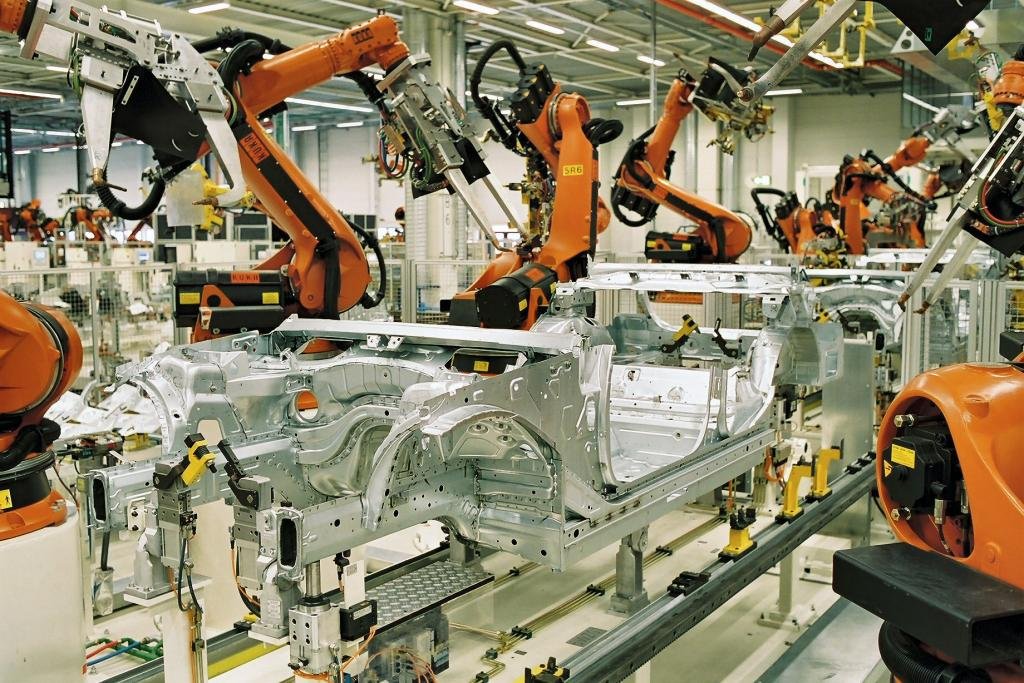
Modern manufacturing and industrial operations face constant pressure to increase efficiency, reduce costs, and maintain high quality. Data analytics has emerged as a powerful tool to help organizations meet these demands by turning raw production data into actionable insights. By leveraging analytics, companies can identify bottlenecks, optimize processes, and make informed decisions that drive productivity gains.
Understanding how to use data analytics to improve production is essential for any business aiming to stay competitive in today’s fast-paced environment. This guide explores the practical steps, tools, and strategies for integrating analytics into production workflows, ensuring measurable improvements and sustainable growth.
For organizations interested in advanced applications, exploring augmented reality in quality audits can further enhance the value of production data by visualizing insights directly on the shop floor.
Key Benefits of Applying Analytics in Manufacturing
Integrating analytics into production environments offers a range of advantages that go beyond simple reporting. Some of the most significant benefits include:
- Increased operational efficiency: Analytics helps pinpoint inefficiencies and waste, enabling targeted improvements.
- Predictive maintenance: By analyzing equipment data, companies can anticipate failures and schedule maintenance proactively, reducing downtime.
- Enhanced quality control: Real-time monitoring and analysis allow for early detection of quality issues, minimizing defects and rework.
- Cost reduction: Data-driven decisions lead to optimized resource allocation, lower energy consumption, and reduced material waste.
- Improved decision-making: Access to accurate, up-to-date information empowers managers to make informed choices quickly.
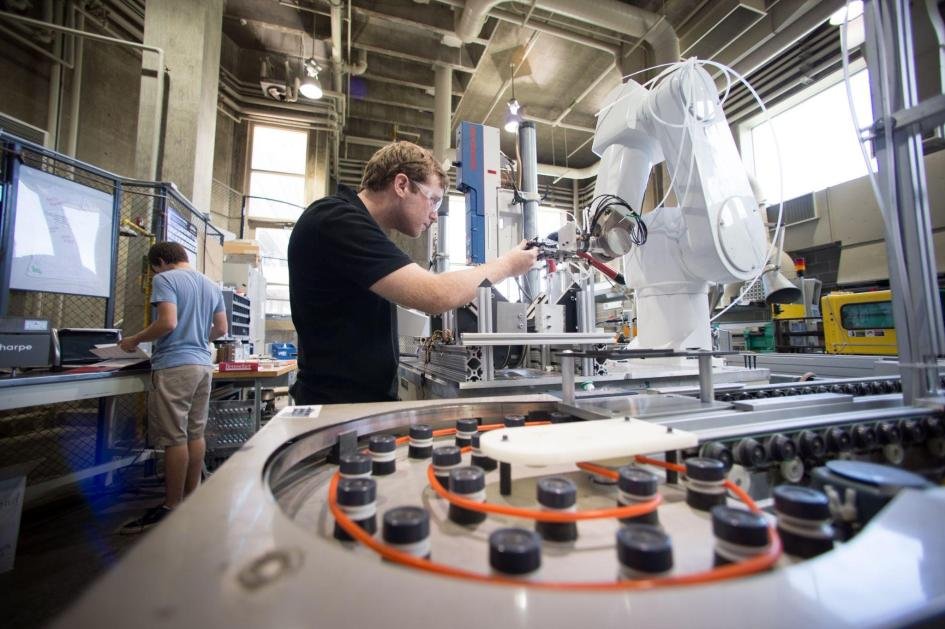
Steps to Implement Data-Driven Production Improvements
Successfully leveraging analytics for production optimization requires a structured approach. Here’s a step-by-step overview:
1. Define Clear Objectives and Metrics
Start by identifying the specific goals you want to achieve. These could include reducing cycle time, lowering defect rates, or increasing throughput. Establish key performance indicators (KPIs) that will help measure progress toward these objectives. Clear targets provide direction for your analytics initiatives and make it easier to evaluate results.
2. Collect and Integrate Relevant Data
Gather data from all available sources, such as sensors, machines, enterprise resource planning (ERP) systems, and manual logs. Ensure data quality by standardizing formats, removing duplicates, and addressing missing values. Integrating data from multiple sources provides a comprehensive view of your production processes.
3. Analyze Data to Identify Patterns and Root Causes
Use statistical analysis, machine learning, or visualization tools to uncover trends, correlations, and anomalies. For example, you might discover that certain machine settings lead to higher defect rates, or that downtime spikes during specific shifts. Understanding these patterns is key to targeting the right areas for improvement.
4. Implement Targeted Process Changes
Based on your findings, develop and test process adjustments. This could involve modifying workflows, updating maintenance schedules, or retraining staff. Pilot these changes on a small scale before rolling them out across the entire operation to minimize risk and measure impact.
5. Monitor Results and Continuously Improve
Track the impact of your changes using the KPIs established earlier. Use real-time dashboards and alerts to stay informed about performance. Continuous monitoring allows you to quickly identify new issues and adapt your strategies as needed, fostering a culture of ongoing improvement.
Essential Tools and Technologies for Analytics in Production
Several technologies support the effective use of analytics in manufacturing and production environments:
- Industrial Internet of Things (IIoT): Connected sensors and devices collect real-time data from equipment and processes.
- Manufacturing Execution Systems (MES): These platforms track and document production details, providing valuable data for analysis.
- Business Intelligence (BI) tools: Software such as Power BI, Tableau, or Qlik enables visualization and exploration of production data.
- Machine learning platforms: Advanced analytics solutions can predict equipment failures, optimize schedules, and detect anomalies.
- Cloud computing: Scalable storage and processing power make it easier to manage large volumes of production data.

Best Practices for Maximizing Analytics Impact
To ensure your analytics initiatives deliver real value, consider these best practices:
- Start small, scale fast: Begin with pilot projects focused on high-impact areas. Once successful, expand analytics efforts to other processes.
- Foster cross-functional collaboration: Involve operators, engineers, IT, and management to ensure data-driven changes are practical and sustainable.
- Invest in training: Equip staff with the skills needed to interpret data and act on insights.
- Maintain data security and privacy: Protect sensitive production information with robust cybersecurity measures.
- Review and refine regularly: Analytics is not a one-time effort. Continuously revisit your data sources, tools, and KPIs to adapt to changing business needs.
Real-World Examples of Production Optimization
Many organizations have already seen significant gains by embracing analytics in their production environments. For instance, some manufacturers have reduced unplanned downtime by implementing predictive maintenance, while others have improved yield by analyzing process variables and adjusting parameters in real time. Companies using vision transformers for industrial use are leveraging advanced AI models to enhance defect detection and streamline quality control.
For more insights on practical strategies, the article on improving productivity and efficiency in manufacturing offers additional examples and actionable tips.
Common Challenges and How to Overcome Them
While the benefits of analytics are clear, organizations may encounter obstacles along the way. Some common challenges include:
- Data silos: Disconnected systems make it difficult to get a holistic view. Integrating data sources is crucial for meaningful analysis.
- Lack of expertise: Not all staff are comfortable with analytics tools. Providing training and hiring skilled analysts can bridge this gap.
- Change management: Employees may resist new processes. Clear communication and involving teams early can ease transitions.
- Data quality issues: Inaccurate or incomplete data undermines analysis. Regular audits and automated validation help maintain data integrity.
FAQ
What types of production data are most valuable for analytics?
Key data sources include machine sensor readings, production output rates, quality inspection results, maintenance logs, and operator input. Combining these data points provides a comprehensive view of the production process and enables more accurate analysis.
How can small manufacturers start using analytics?
Small businesses can begin by identifying a specific pain point, such as frequent equipment downtime or high scrap rates. Collect relevant data manually or with affordable sensors, use simple visualization tools, and focus on one improvement area before expanding to others.
Is it necessary to invest in expensive software to benefit from analytics?
No, many effective analytics solutions are available at various price points, including open-source and cloud-based options. The key is to choose tools that fit your organization’s needs and scale as your analytics capabilities grow.
Conclusion
Applying data analytics to production processes is a proven way to enhance efficiency, reduce costs, and improve product quality. By following a structured approach—defining objectives, collecting and analyzing data, implementing changes, and monitoring results—organizations can unlock significant value from their operational data. Embracing analytics not only supports immediate improvements but also lays the foundation for long-term, sustainable growth in a competitive marketplace.