
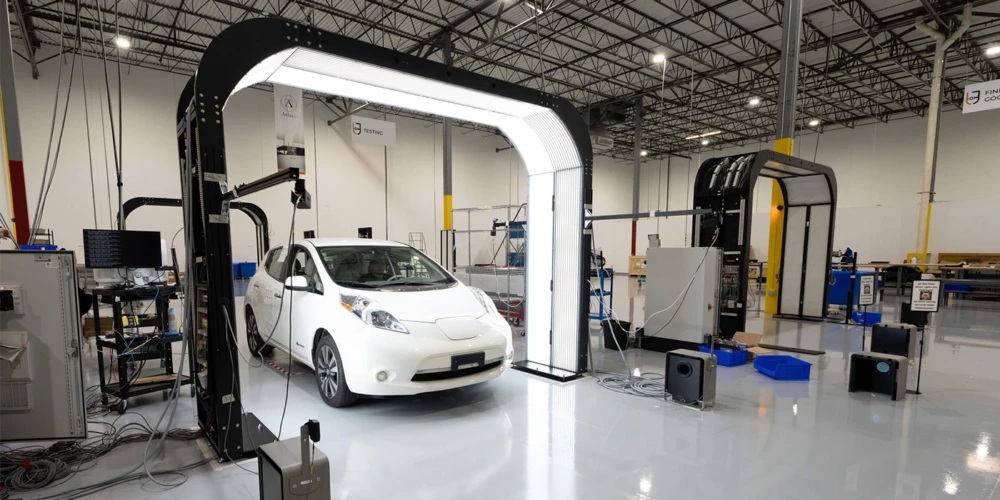
Building and maintaining customer trust is more critical than ever in today’s competitive marketplace. As businesses increasingly rely on advanced technologies, demonstrating the integrity and reliability of their products has become a key differentiator. One of the most effective ways to achieve this is by leveraging AI-driven quality assurance processes that provide transparent, data-backed proof of product excellence. By showcasing objective evidence of quality, companies can reassure customers, reduce skepticism, and foster long-term loyalty.
This guide explores how organizations can enhance credibility by using artificial intelligence to validate and communicate their commitment to quality. We’ll look at the core principles, practical implementation strategies, and the tangible benefits of adopting AI-powered quality assurance systems.
For organizations interested in integrating digital tools into their inspection workflows, exploring solutions like wearable AI for manual inspection support can further strengthen transparency and operational efficiency.
Why AI-Driven Quality Assurance Builds Trust
Traditional quality control methods often rely on manual inspection and subjective judgment, which can lead to inconsistencies and errors. In contrast, AI-based quality assurance systems apply machine learning algorithms and computer vision to inspect products with high accuracy and repeatability. This shift not only improves defect detection rates but also generates a digital audit trail, providing verifiable proof that every item meets rigorous standards.
Key reasons why AI-powered quality assurance increases customer confidence include:
- Objectivity: Automated systems eliminate human bias, ensuring every product is evaluated against the same criteria.
- Consistency: AI models maintain uniform inspection quality across shifts, locations, and production runs.
- Transparency: Digital records and visual evidence can be shared with customers, offering clear proof of compliance and quality.
- Speed: Real-time analysis enables rapid identification and resolution of issues, reducing the risk of defective products reaching customers.
Key Components of AI Quality Assurance Systems
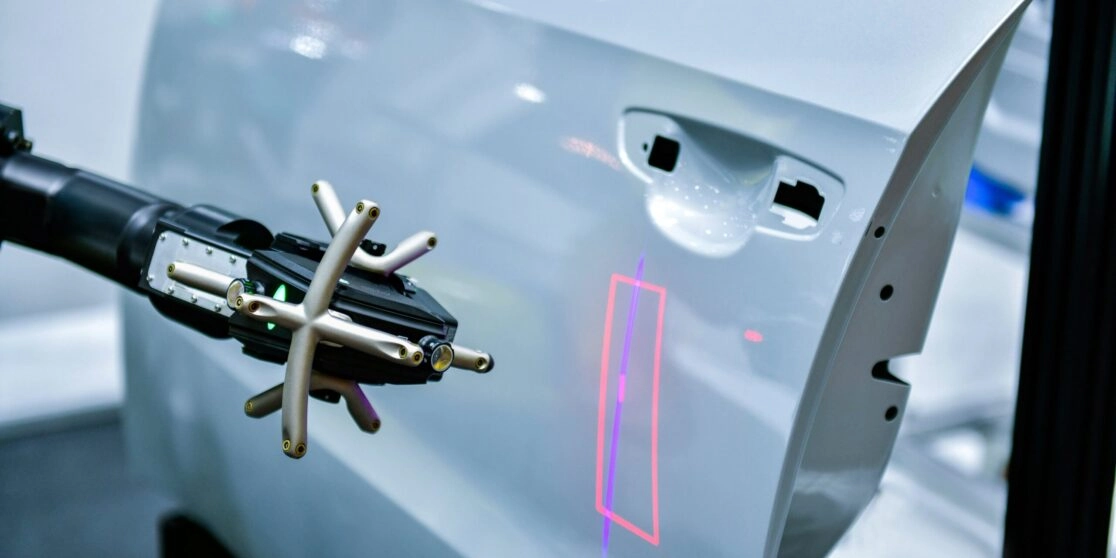
Implementing a robust AI-driven quality assurance framework involves several critical elements. Understanding these components can help organizations maximize the impact of their investment and deliver compelling proof of quality to customers.
- Data Collection: High-quality data from sensors, cameras, and production lines forms the foundation of effective AI inspection.
- Machine Learning Models: Algorithms are trained to recognize defects, anomalies, or deviations from standards using historical and real-time data.
- Continuous Monitoring: Systems operate around the clock, flagging issues as soon as they arise and enabling rapid intervention.
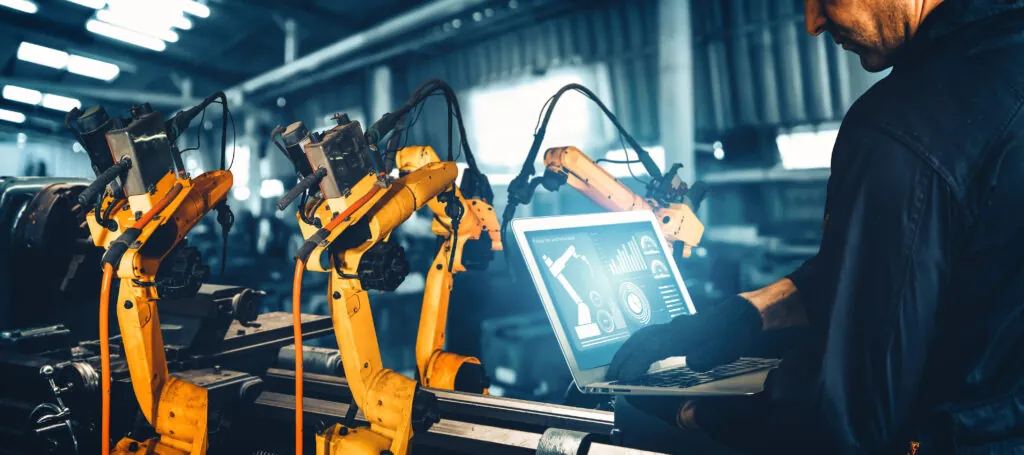
- Reporting and Visualization: Dashboards and reports translate raw data into actionable insights and visual evidence that can be shared with customers.
For organizations seeking to maintain the accuracy of their AI models over time, practices such as monitoring AI model drift in factories are essential to ensure ongoing reliability and trustworthiness.
Demonstrating Quality with AI: Practical Strategies
To truly enhance customer trust, it’s not enough to implement AI quality assurance behind the scenes. Companies must proactively communicate their commitment to quality and provide tangible evidence. Here are some effective strategies:
- Share Inspection Data: Provide customers with access to inspection results, including images or reports generated by AI systems.
- Offer Real-Time Dashboards: Allow clients to view live quality metrics or production status, reinforcing transparency.
- Highlight Certifications: Use AI-generated audit trails to support compliance with industry standards and certifications.
- Publish Case Studies: Showcase successful defect detection and resolution stories powered by AI, demonstrating real-world impact.
By integrating these approaches, businesses can move beyond claims and deliver verifiable proof that their products meet or exceed expectations.
Benefits of Providing AI-Backed Quality Proof
Offering transparent, AI-verified evidence of quality delivers significant advantages for both businesses and their customers. Some of the most notable benefits include:
- Increased Customer Confidence: When buyers see objective proof of quality, they are more likely to trust the brand and make repeat purchases.
- Reduced Disputes and Returns: Clear documentation of inspection processes and results helps resolve issues quickly and fairly.
- Competitive Differentiation: Companies that can demonstrate advanced quality assurance stand out in crowded markets.
- Regulatory Compliance: Automated records simplify audits and support adherence to industry regulations.
- Continuous Improvement: Data-driven insights enable ongoing optimization of manufacturing and inspection processes.
For those interested in the broader landscape of AI in quality control, resources such as enhancing quality control with AI solutions provide valuable context and additional strategies.
Challenges and Considerations in AI Quality Assurance
While the advantages are clear, adopting AI for quality assurance also presents challenges. Organizations must address these considerations to ensure successful implementation and sustained customer trust:
- Data Quality: Poor or inconsistent data can undermine the accuracy of AI models, leading to false positives or missed defects.
- Model Maintenance: Regular updates and retraining are necessary to keep algorithms effective as products and processes evolve.
- Transparency: Customers may need education on how AI systems work and how results are validated.
- Integration: Seamlessly connecting AI tools with existing production and reporting systems can be complex.
- Ethical Considerations: Ensuring fairness, privacy, and accountability in AI-driven decisions is essential for long-term trust.
Staying ahead in this space often involves exploring new technologies, such as vision transformers for industrial use, which can further enhance inspection accuracy and reliability.
Future Trends: The Evolution of AI in Quality Assurance
The landscape of AI-powered quality assurance is rapidly evolving. Emerging trends are set to further strengthen the connection between transparent inspection and customer trust:
- Augmented Reality Integration: Overlaying inspection data onto physical products using augmented reality in quality audits can make quality proof even more accessible and understandable for customers.
- Hyperparameter Optimization: Fine-tuning AI models through techniques like hyperparameter tuning for inspection models leads to even greater accuracy and reliability.
- Self-Learning Systems: Next-generation AI will continuously improve by learning from new data, further reducing errors and increasing trust.
- Deeper Supply Chain Integration: AI-driven quality assurance will extend beyond manufacturing to suppliers and logistics, providing end-to-end transparency.
As these innovations mature, the ability to provide robust, AI-backed proof of quality will become an industry standard rather than a differentiator.
FAQ
How does AI quality assurance differ from traditional methods?
AI quality assurance uses advanced algorithms and computer vision to inspect products, offering greater accuracy, consistency, and objectivity compared to manual or subjective inspections. It also provides digital records and visual proof that can be shared with customers, enhancing transparency.
What types of products or industries benefit most from AI-driven quality assurance?
Industries with high-volume production, strict regulatory requirements, or complex products—such as automotive, electronics, pharmaceuticals, and food processing—see significant benefits from AI-powered inspection and quality proof. However, any sector aiming to boost customer confidence can leverage these technologies.
How can companies communicate AI-backed quality proof to customers?
Organizations can share inspection reports, real-time dashboards, and visual evidence generated by AI systems. Highlighting certifications, publishing case studies, and providing transparent access to quality data are effective ways to demonstrate commitment to excellence and build trust.