
The manufacturing sector is undergoing a profound transformation driven by digital technologies, automation, and data integration—often referred to as Industry 4.0. This shift is not just about adopting new tools; it’s about fundamentally rethinking how factories operate to maximize productivity, flexibility, and quality. For production managers and business leaders, understanding the industry 4.0 benefits for production efficiency is essential to remain competitive in a rapidly evolving landscape.
From real-time data analytics to smart robotics and connected supply chains, the fourth industrial revolution is reshaping traditional processes. Companies that embrace these advancements are seeing measurable improvements in throughput, resource utilization, and product quality. In this article, we’ll explore the core advantages of Industry 4.0 for manufacturing efficiency, practical implementation strategies, and answers to common questions about digital transformation in production environments.
As digitalization accelerates, integrating advanced technologies such as augmented reality in quality audits is becoming increasingly common. These solutions not only support quality assurance but also enhance overall operational efficiency by providing real-time insights and guidance to operators.
Key Drivers of Efficiency in Modern Manufacturing
Industry 4.0 is characterized by the convergence of cyber-physical systems, the Internet of Things (IoT), and artificial intelligence. These technologies work together to create a highly responsive and adaptive production environment. Here are some of the main ways they drive efficiency:
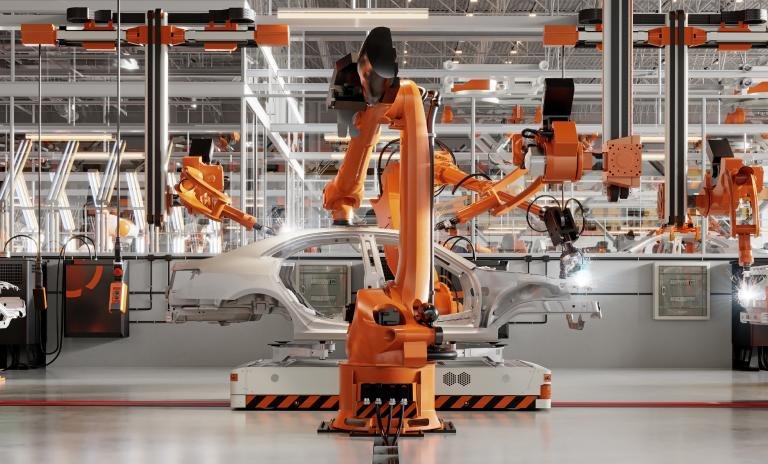
- Automation and Robotics: Automated machines and collaborative robots (cobots) perform repetitive or hazardous tasks with high precision, reducing errors and freeing up human workers for more complex responsibilities.
- Data-Driven Decision Making: Sensors and IoT devices collect vast amounts of production data, enabling predictive maintenance, process optimization, and rapid troubleshooting.
- Real-Time Monitoring: Digital dashboards provide visibility into every stage of the production process, allowing for immediate adjustments to minimize downtime and waste.
- Flexible Manufacturing: Smart factories can quickly adapt to changes in product design or demand, supporting mass customization and shorter lead times.
How Digital Transformation Enhances Production Output
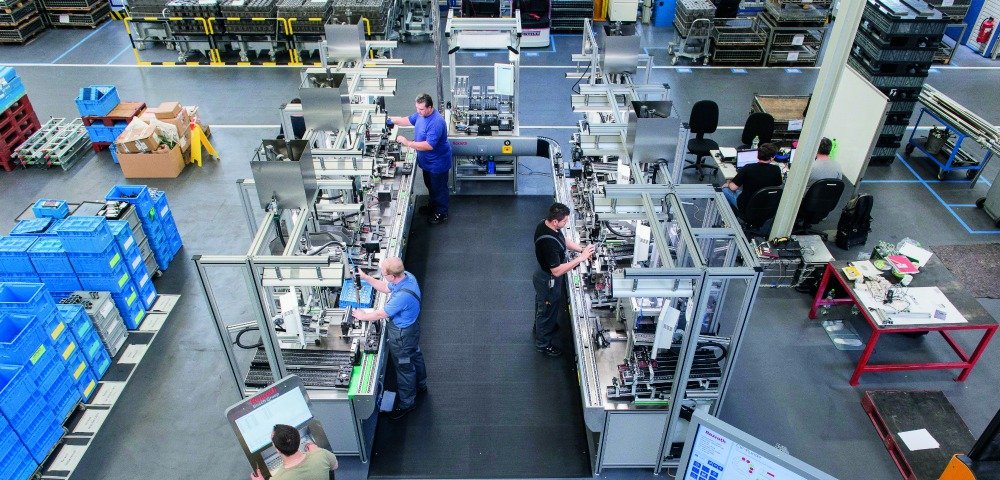
The integration of digital technologies into manufacturing brings a range of tangible improvements. Let’s examine some of the most impactful industry 4.0 benefits for production efficiency:
Reduced Downtime and Maintenance Costs
Predictive maintenance powered by IoT sensors and machine learning algorithms allows manufacturers to anticipate equipment failures before they occur. By scheduling repairs proactively, companies can avoid costly unplanned downtime and extend the lifespan of critical assets.
Improved Quality Control and Traceability
Advanced vision systems and data analytics enable real-time inspection of products on the production line. This leads to fewer defects, faster root cause analysis, and more consistent quality. Digital records also make it easier to trace components and processes, supporting compliance and customer satisfaction.
Optimized Resource Utilization
Smart production systems analyze energy consumption, raw material usage, and workflow bottlenecks. By identifying inefficiencies, manufacturers can reduce waste, lower costs, and improve sustainability. These insights are particularly valuable for companies striving to meet environmental targets.
Faster Response to Market Changes
With interconnected systems and flexible automation, factories can quickly adjust to new product variants or shifts in demand. This agility is crucial for staying ahead in competitive markets and meeting customer expectations for customization and rapid delivery.
Real-World Applications of Industry 4.0 in Manufacturing
Many leading manufacturers are already reaping the rewards of digital transformation. For example, integrating wearable AI for manual inspection support helps operators perform complex inspections with greater accuracy and speed. Similarly, deploying vision-based systems powered by vision transformers for industrial use enables automated quality checks that were previously impossible with traditional methods.
These innovations not only boost throughput but also create safer, more engaging workplaces by automating repetitive or hazardous tasks. As a result, manufacturers can attract and retain skilled workers while achieving higher levels of productivity.
Challenges and Considerations in Adopting Smart Manufacturing
While the advantages of digital transformation are clear, implementing these technologies is not without challenges. Common obstacles include:
- Integration with Legacy Systems: Many factories still rely on older equipment that may not be compatible with modern digital solutions. Upgrading or retrofitting these assets requires careful planning and investment.
- Data Security and Privacy: As more devices become connected, protecting sensitive production data from cyber threats becomes increasingly important.
- Workforce Training: Employees need new skills to operate and maintain advanced systems. Ongoing training and change management are essential for successful adoption.
- Initial Investment: The upfront costs of deploying automation, sensors, and software can be significant. However, the long-term gains in efficiency and cost savings often justify the expenditure.
To overcome these hurdles, many organizations start with pilot projects, gradually scaling up as they demonstrate value. Collaborating with technology partners and leveraging best practices can also accelerate the transition to smart manufacturing.
Strategies for Maximizing Efficiency Gains
To fully realize the industry 4.0 benefits for production efficiency, manufacturers should focus on a few key strategies:
- Start with Clear Objectives: Define specific goals for efficiency, quality, or flexibility. This helps prioritize investments and measure success.
- Leverage Real-Time Data: Use analytics platforms to monitor performance, identify trends, and make informed decisions quickly.
- Foster a Culture of Continuous Improvement: Encourage employees to suggest process enhancements and embrace new technologies.
- Integrate Across the Value Chain: Connect suppliers, production, and logistics to create a seamless flow of information and materials.
- Monitor and Adapt: Regularly review outcomes and adjust strategies as needed to stay aligned with business objectives.
For more detailed guidance on optimizing production processes, consider reviewing resources such as this comprehensive article on improving production line efficiency.
Frequently Asked Questions
What are the most significant efficiency gains from Industry 4.0?
The most notable improvements include reduced downtime through predictive maintenance, enhanced quality control via automated inspection, better resource utilization, and increased flexibility to respond to market demands. These factors collectively lead to higher throughput and lower operational costs.
How can small and medium manufacturers benefit from digital transformation?
Smaller manufacturers can start with targeted projects such as implementing IoT sensors for equipment monitoring or adopting cloud-based analytics. These incremental steps can deliver quick wins and build momentum for broader adoption of smart manufacturing practices.
What role does data play in boosting production efficiency?
Data is central to Industry 4.0. By collecting and analyzing information from machines, processes, and supply chains, manufacturers gain actionable insights that drive process optimization, quality improvements, and faster decision-making.
Conclusion
Embracing digital transformation is no longer optional for manufacturers aiming to stay competitive. The integration of automation, real-time data, and smart technologies delivers measurable industry 4.0 benefits for production efficiency, from minimizing downtime to enhancing product quality and enabling rapid adaptation to changing markets. By starting with clear objectives, investing in workforce development, and leveraging the latest innovations, companies can unlock new levels of productivity and set the stage for long-term growth.