
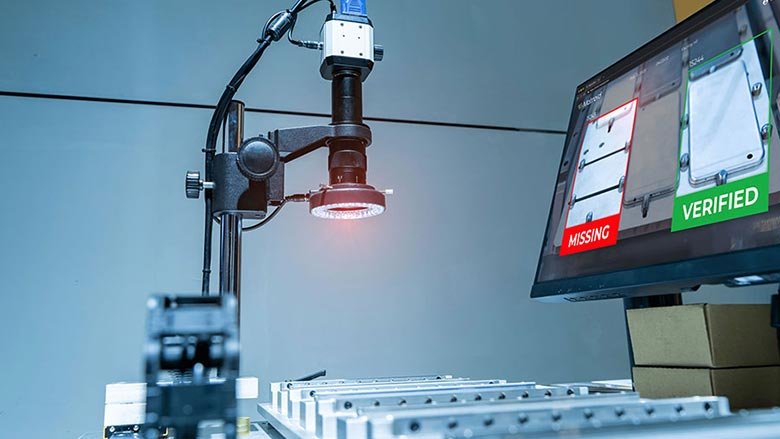
Inline AI inspection has become a cornerstone of modern manufacturing, enabling real-time quality control and rapid defect detection. As production speeds increase and product complexity grows, understanding latency requirements for inline inspection is critical for ensuring that automated systems keep pace with operational demands. This article explores the practical aspects of latency, why it matters, and how manufacturers can meet stringent timing constraints without sacrificing accuracy or throughput.
Meeting the right latency targets is not just a technical challenge—it directly affects product quality, process efficiency, and the ability to respond to issues as they arise. For organizations seeking to leverage advanced vision systems, balancing speed and reliability is essential. Related technologies, such as augmented reality in quality audits, are also shaping how data is visualized and acted upon in real time, further emphasizing the importance of low-latency solutions.
Understanding Latency in Automated Inspection
In the context of automated quality control, latency refers to the total time taken from the moment an image is captured to when a decision (such as pass/fail or defect localization) is made and acted upon. This interval includes image acquisition, data transfer, AI model inference, and communication with downstream equipment. For inline inspection systems, minimizing this delay is crucial to avoid bottlenecks and ensure that corrective actions can be implemented before defective products move further along the line.
The latency requirements for inline inspection are dictated by several factors:
- Line speed: Faster production lines require quicker inspection cycles to keep up.
- Product size and spacing: Smaller or closely spaced items demand faster processing to avoid overlap or missed detections.
- Complexity of analysis: Advanced defect detection, classification, or measurement tasks may increase computational load and, consequently, latency.
- Integration with automation: The need to trigger actuators, sorters, or alarms in real time places strict timing constraints on the system.
Key Performance Metrics for Inline AI Inspection
When evaluating or designing an inline vision system, several performance metrics must be considered alongside latency:
- Throughput: The number of items inspected per unit time. High throughput is only possible if latency is kept within limits.
- Accuracy: The ability to detect and classify defects correctly. Reducing latency should not compromise detection accuracy.
- Reliability: Consistent operation over time, even as production conditions vary.
- Scalability: The capacity to handle increased volume or complexity without significant increases in latency.
Striking the right balance between these metrics is essential for a robust inline inspection solution.
Factors Influencing Latency in Inline Inspection Systems
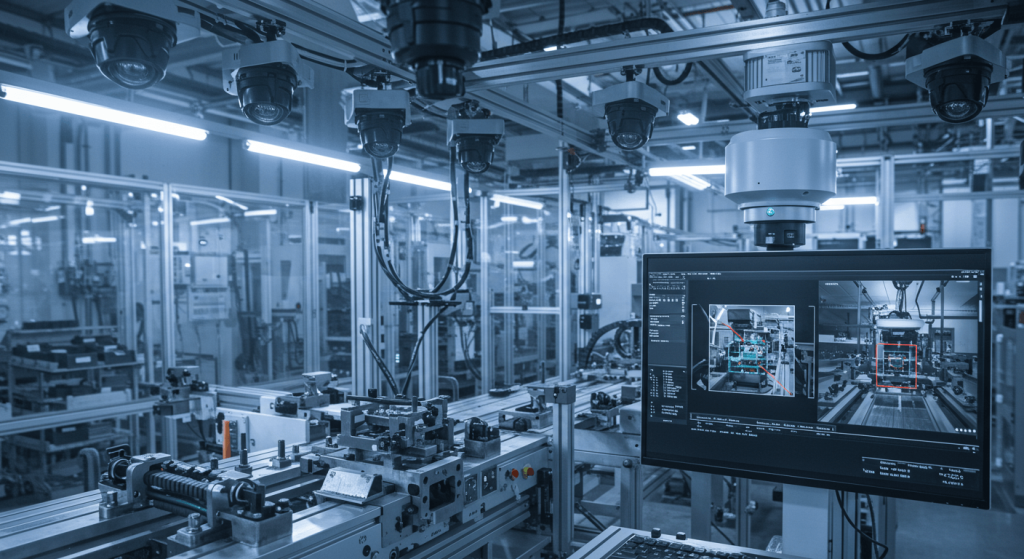
Several technical and operational factors influence the latency requirements for inline inspection:
- Camera and Sensor Selection: High-speed cameras with fast shutter speeds and rapid data transfer interfaces (such as GigE Vision or CoaXPress) reduce acquisition delays.
- Edge vs. Cloud Processing: Processing images at the edge (on-site, near the production line) typically results in lower latency than cloud-based solutions, which introduce network delays.
- AI Model Complexity: Deep learning models with more layers or parameters may offer higher accuracy but require more computation time. Optimizing models for speed is often necessary.
- Hardware Acceleration: Using GPUs, FPGAs, or dedicated AI chips can significantly reduce inference times compared to CPU-only processing.
- Software Optimization: Efficient code, parallel processing, and streamlined data pipelines help minimize unnecessary delays.
- System Integration: The time required to communicate results to actuators or MES (Manufacturing Execution Systems) can add to total latency.
Manufacturers must assess each of these areas to ensure their inspection systems meet the required timing constraints.
Typical Latency Targets in Industrial Applications
The acceptable latency for inline inspection varies by industry and application. In high-speed bottling or packaging lines, for example, total end-to-end latency often needs to be under 100 milliseconds to ensure that defective products can be diverted before reaching the next station. In electronics manufacturing, where components are densely packed and defects may be microscopic, slightly higher latency may be tolerable if it results in improved detection accuracy.
Some common latency targets include:
- Food and beverage: 50–150 ms per item
- Pharmaceuticals: 100–250 ms per item
- Automotive parts: 100–500 ms per item, depending on part complexity
- Electronics: 200–600 ms per board or assembly
These figures are guidelines; actual requirements should be determined based on line speed, product characteristics, and risk tolerance.
Strategies for Meeting Strict Latency Requirements
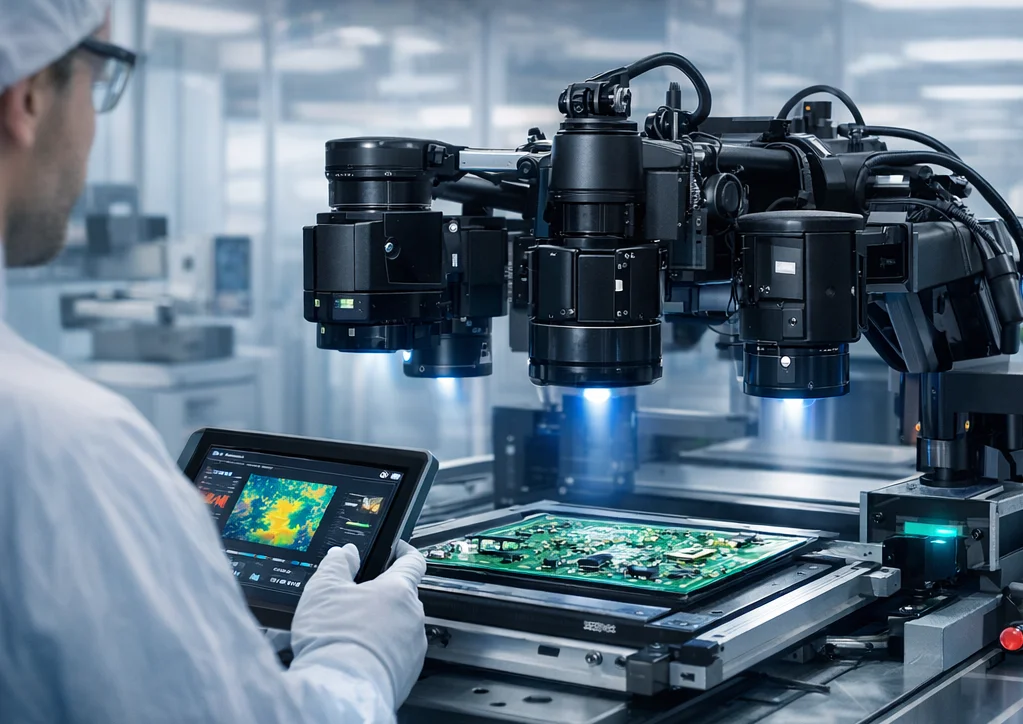
To achieve low-latency operation without sacrificing inspection quality, manufacturers can adopt several best practices:
- Deploy Edge AI: Run inference on local devices to eliminate network round-trip times.
- Optimize AI Models: Use model pruning, quantization, or knowledge distillation to reduce computational load while maintaining accuracy. For more on optimizing models, see hyperparameter tuning for inspection models.
- Leverage Hardware Acceleration: Invest in specialized processors designed for vision tasks.
- Streamline Data Pipelines: Minimize data copying, use efficient formats, and process images in parallel where possible.
- Integrate with Automation: Ensure that inspection results are communicated instantly to downstream equipment, using low-latency protocols.
- Monitor and Maintain Systems: Regularly assess system performance and watch for model drift or hardware degradation. For guidance, see monitoring AI model drift in factories.
By combining these approaches, organizations can reliably meet the timing demands of modern production lines.
Real-World Examples and Industry Insights
Many manufacturers have successfully implemented AI-powered inspection systems that meet demanding latency targets. For instance, in the automotive sector, vision systems are used to inspect welds, paint, and assembly quality at speeds exceeding several hundred parts per minute. In food processing, high-speed cameras and edge AI enable real-time sorting of fruits and vegetables, removing defective items before packaging.
Emerging technologies such as vision transformers for industrial use are pushing the boundaries of what’s possible, offering improved accuracy and adaptability. However, these advances also require careful attention to latency, as more sophisticated models can introduce additional processing time.
To stay ahead, manufacturers are increasingly adopting a holistic approach—balancing hardware, software, and process optimization to ensure that inspection keeps pace with production.
Integrating Latency Considerations into System Design
When designing or upgrading an inline inspection system, latency should be treated as a core design parameter, not an afterthought. Early-stage decisions—such as camera selection, network architecture, and model choice—have a direct impact on the system’s ability to meet real-time requirements.
Collaboration between automation engineers, data scientists, and IT specialists is essential. By setting clear latency targets and validating performance under real operating conditions, organizations can avoid costly retrofits and ensure long-term success.
For a deeper dive into how deep learning is transforming inspection, see this overview of deep learning’s role in visual inspection.
FAQ: Latency in Inline AI Inspection
What is considered an acceptable latency for inline inspection systems?
Acceptable latency depends on the production line speed and the nature of the products being inspected. For most high-speed applications, total latency should be under 100–250 milliseconds per item to ensure timely defect detection and response.
How does latency affect inspection accuracy?
While reducing latency is important, it should not come at the expense of detection accuracy. Overly aggressive optimization can lead to missed defects or false positives. The goal is to find a balance where both speed and accuracy are maintained.
Can cloud-based AI inspection meet strict latency requirements?
Cloud-based solutions may introduce additional delays due to network transmission times. For applications with stringent latency targets, edge-based or hybrid approaches are typically preferred to ensure real-time performance.
What are some common methods to reduce latency in vision systems?
Techniques include using faster cameras, optimizing AI models, leveraging hardware accelerators, and processing images at the edge. Streamlined data pipelines and efficient system integration also play a key role.
Conclusion
Understanding and meeting latency requirements for inline inspection is essential for manufacturers aiming to maintain quality and efficiency in fast-paced production environments. By carefully considering hardware, software, and integration factors, and by leveraging the latest advances in AI and automation, organizations can build inspection systems that deliver reliable, real-time results. As technology evolves, staying informed and proactive will ensure that inspection keeps pace with the demands of modern industry.