
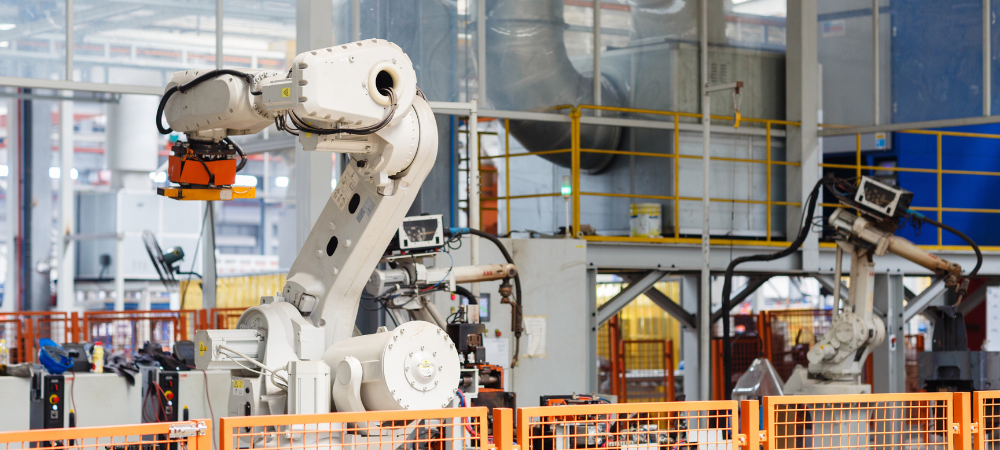
Understanding how to measure and improve productivity on the factory floor is essential for any business aiming to stay competitive. Manufacturing efficiency metrics explained is a topic that often seems complex, but breaking it down into clear, actionable components makes it accessible to managers, engineers, and operators alike. These metrics provide a framework for evaluating production performance, identifying bottlenecks, and guiding continuous improvement efforts.
As manufacturing environments evolve with new technologies and data-driven processes, the importance of accurate and timely measurement grows. By focusing on the right indicators, organizations can boost output, reduce waste, and ensure consistent quality. For those interested in how advanced technologies like AI are shaping modern factories, the article on iot integration in inspection processes offers valuable insights into smart factory trends.
Why Measuring Efficiency Matters in Manufacturing
The ability to quantify performance is at the heart of operational excellence. Without reliable data, it becomes difficult to pinpoint inefficiencies or justify investments in new equipment and processes. Manufacturing efficiency metrics serve as the foundation for informed decision-making, helping teams set realistic goals and monitor progress over time.
These measurements are not just for large corporations. Small and medium-sized enterprises also benefit from tracking the right indicators, as it enables them to compete on quality, cost, and delivery. By focusing on key metrics, organizations can:
- Identify underperforming assets or processes
- Reduce downtime and increase equipment utilization
- Enhance product quality and consistency
- Lower operational costs through waste reduction
- Support a culture of continuous improvement

Core Metrics for Evaluating Production Performance
There are several widely recognized metrics that provide a comprehensive view of how well a manufacturing operation is performing. Understanding these indicators is crucial for anyone seeking manufacturing efficiency metrics explained in practical terms.
Overall Equipment Effectiveness (OEE)
OEE is one of the most important and commonly used metrics in the industry. It combines three critical factors: availability, performance, and quality. The formula is:
- Availability: Percentage of scheduled time that the equipment is available to operate
- Performance: Speed at which the equipment operates as a percentage of its designed speed
- Quality: Percentage of good units produced versus total units started
Multiplying these three values gives the OEE percentage. A score of 100% means perfect production with no downtime, slow cycles, or defects. Most manufacturers aim for an OEE of 85% or higher.
Throughput and Cycle Time
Throughput measures the number of units produced in a given period, reflecting the actual output of a process or machine. Cycle time is the total time required to produce a single unit, from start to finish. Reducing cycle time and increasing throughput are direct ways to improve efficiency.
First Pass Yield (FPY)
FPY, also known as first-time yield, tracks the percentage of products manufactured correctly the first time without rework or scrap. High FPY indicates a stable and efficient process, while low FPY signals quality issues that need attention.
Downtime Analysis
Tracking unplanned downtime is essential for identifying frequent causes of stoppages. By categorizing downtime events, teams can prioritize corrective actions and minimize disruptions to production.
Advanced Metrics and Digital Transformation
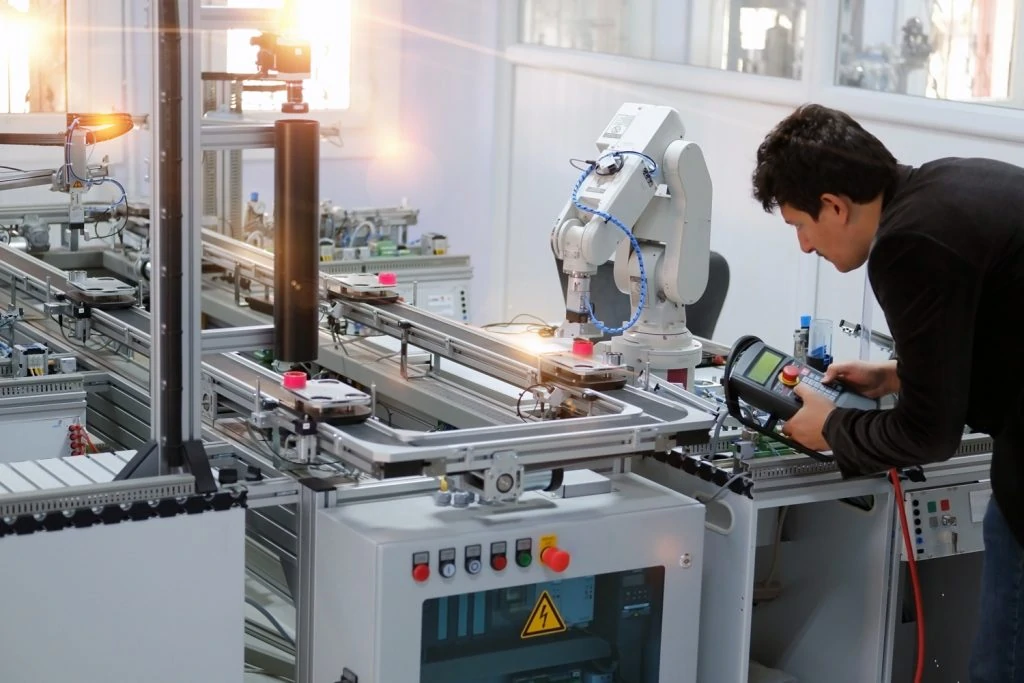
As factories adopt digital tools and automation, new types of metrics are emerging. These provide deeper insights and support more agile decision-making. For example, real-time monitoring systems can track machine health, energy consumption, and process deviations, allowing for predictive maintenance and rapid response to issues.
Integration with IoT devices and AI-driven analytics further enhances the ability to collect, analyze, and act on data. This shift is transforming traditional manufacturing into smart, connected environments. For a closer look at how AI is impacting inspection and quality control, consider reading about food safety monitoring with ai vision.
Energy Efficiency Metrics
With rising energy costs and sustainability goals, tracking energy use per unit produced is becoming increasingly important. Metrics such as kilowatt-hours per product or per shift help identify opportunities to reduce consumption and lower environmental impact.
Scrap and Rework Rates
Monitoring the percentage of materials or products that require rework or are scrapped provides insight into process stability and quality. High scrap rates often point to upstream issues in design, materials, or operator training.
Best Practices for Implementing and Using Metrics
To get the most value from efficiency measurements, organizations should follow a few key principles:
- Define clear objectives: Align metrics with business goals and operational priorities.
- Standardize data collection: Ensure consistency in how data is gathered and reported.
- Visualize results: Use dashboards and charts to make data accessible to all stakeholders.
- Encourage team involvement: Engage operators and managers in reviewing and acting on metric trends.
- Review and adjust regularly: Metrics should evolve as processes and technologies change.
For more actionable strategies, the guide on steps to improve manufacturing efficiency provides a practical framework for continuous improvement.
Common Challenges and How to Overcome Them
While the benefits of tracking efficiency are clear, there are obstacles that organizations often face:
- Data overload: Too many metrics can overwhelm teams. Focus on a core set of indicators that drive results.
- Inconsistent definitions: Ensure everyone understands how each metric is calculated and what it represents.
- Resistance to change: Involve staff early in the process and highlight the benefits of measurement for their daily work.
- Lack of actionable insights: Metrics should lead to specific actions, not just reports. Use root cause analysis to drive improvements.
Overcoming these challenges requires leadership commitment, clear communication, and ongoing training. As digital transformation accelerates, the ability to adapt and learn from data will become even more critical.
FAQ: Understanding and Applying Efficiency Metrics
What is the most important metric for manufacturing efficiency?
While several indicators are valuable, Overall Equipment Effectiveness (OEE) is widely regarded as the most comprehensive. It combines availability, performance, and quality into a single measure, offering a holistic view of production health.
How often should efficiency metrics be reviewed?
The frequency depends on the process and business needs. Many organizations review key metrics daily or weekly, while others may analyze trends monthly. The key is to review data regularly enough to spot issues early and respond promptly.
Can small manufacturers benefit from tracking these metrics?
Absolutely. Even small operations can use efficiency measurements to identify bottlenecks, reduce waste, and improve output. Many digital tools are now accessible and affordable for businesses of all sizes.
How do digital technologies enhance efficiency measurement?
Digital tools enable real-time data collection, automated reporting, and predictive analytics. This allows manufacturers to respond quickly to issues, optimize processes, and make data-driven decisions for continuous improvement.
In summary, understanding and applying the right efficiency metrics is fundamental to operational success in manufacturing. By focusing on clear, actionable indicators and leveraging modern technology, organizations can drive productivity, quality, and competitiveness in an ever-changing industry landscape.