

The manufacturing sector is undergoing a significant transformation as digital technologies become central to operations. Among these advancements, IoT integration in inspection processes is reshaping how quality control and maintenance are managed in smart factories. By connecting sensors, devices, and analytics platforms, manufacturers can achieve real-time visibility, automate defect detection, and optimize production efficiency.
This article explores how connected devices are changing inspection workflows, the benefits and challenges of adopting these systems, and practical steps for implementation. For those interested in related innovations, our guide on digital twins and AI inspection systems provides further insights into the synergy between virtual models and intelligent inspection.
How Connected Devices Are Transforming Quality Control
The adoption of IoT-enabled inspection tools is rapidly changing the landscape of quality assurance in manufacturing. Traditional inspection methods often rely on manual checks or isolated automated systems. In contrast, IoT integration in inspection processes connects sensors, cameras, and actuators across the production line, enabling continuous data collection and analysis.
These connected systems can monitor parameters such as temperature, vibration, surface finish, and dimensional accuracy in real time. When anomalies are detected, alerts are automatically generated, allowing for immediate intervention. This proactive approach reduces the risk of defective products reaching customers and minimizes costly downtime.
Key Benefits of IoT-Driven Inspection Workflows
Implementing IoT-based inspection systems offers several advantages for manufacturers aiming to enhance quality and efficiency:
- Real-time monitoring: Continuous data streams from sensors enable instant detection of deviations, reducing the time between issue occurrence and corrective action.
- Automated defect identification: Machine vision and AI-powered analytics can identify subtle defects that might be missed by human inspectors, improving overall product quality.
- Predictive maintenance: By analyzing trends in machine performance, IoT systems can forecast when equipment is likely to fail, allowing for scheduled maintenance and minimizing unplanned downtime. For a detailed comparison, see our article on predictive maintenance vs reactive inspection.
- Data-driven decision making: Aggregated inspection data provides actionable insights for process optimization, waste reduction, and continuous improvement initiatives.
- Traceability and compliance: Automated logging of inspection results supports regulatory compliance and makes it easier to trace the root cause of quality issues.
Challenges in Deploying IoT for Inspection
While the benefits are clear, integrating IoT into inspection processes is not without its challenges. Manufacturers must address several key issues to ensure successful adoption:
- Data security: As more devices connect to the network, the risk of cyberattacks increases. Robust security protocols and regular system updates are essential.
- Interoperability: Integrating equipment from different vendors can be complex. Open standards and middleware solutions help bridge compatibility gaps.
- Scalability: As factories expand, IoT systems must be able to handle increased data volumes and device counts without performance degradation.
- Initial investment: Upgrading legacy systems and training staff require upfront resources, but the long-term gains in efficiency and quality often justify the expense.
Best Practices for Implementing IoT-Enabled Inspection
To maximize the value of connected inspection systems, manufacturers should follow a structured approach:
- Assess current processes: Identify inspection points that would benefit most from real-time monitoring or automation.
- Select appropriate sensors and platforms: Choose devices that are compatible with existing infrastructure and capable of capturing relevant data.
- Integrate with analytics tools: Use AI and machine learning algorithms to analyze inspection data for trends, anomalies, and predictive insights. For more on this topic, our post on what is anomaly detection in manufacturing explains how these technologies work in practice.
- Prioritize cybersecurity: Implement strong authentication, encryption, and network segmentation to protect sensitive data.
- Train personnel: Ensure that staff understand how to operate and maintain IoT-enabled inspection systems, and can interpret the data they produce.
- Monitor and refine: Continuously evaluate system performance and make adjustments to improve accuracy and reliability.

Real-World Applications and Industry Examples
The use of IoT in inspection is not limited to a single industry. Automotive manufacturers, electronics producers, and food processing plants are all leveraging connected devices to enhance quality assurance. For example, machine vision cameras can inspect electronic circuit boards for soldering defects, while vibration sensors monitor the health of conveyor motors in real time.
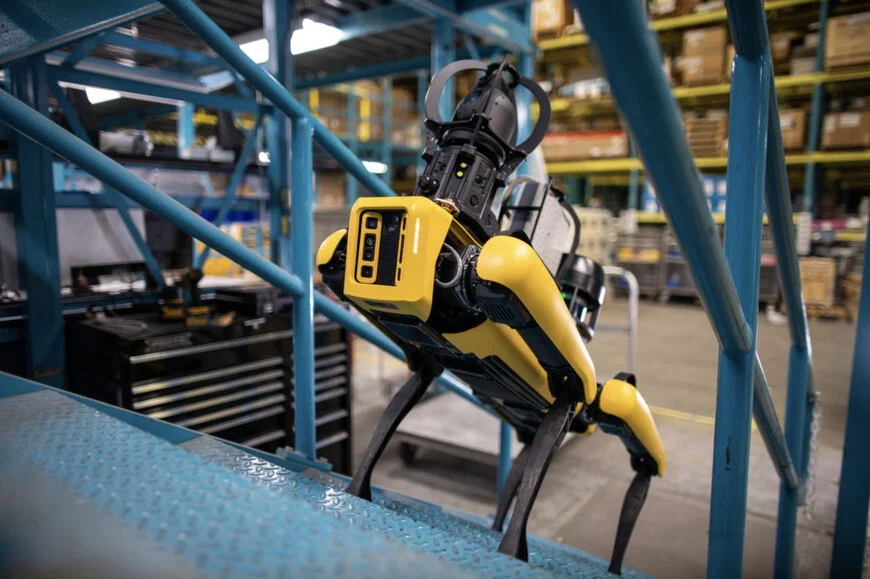
In the automotive sector, IoT-enabled inspection robots can autonomously scan vehicle bodies for paint imperfections or misalignments. These systems feed data directly into manufacturing execution systems (MES), enabling rapid adjustments to production parameters and reducing waste.
For a deeper dive into how advanced algorithms power these solutions, see our article on how convolutional neural networks find defects.
Future Trends in Connected Inspection Systems
As smart factories continue to evolve, several trends are shaping the future of inspection:
- Edge computing: Processing inspection data closer to the source reduces latency and bandwidth requirements, enabling faster decision-making.
- Integration with digital twins: Virtual models of production lines allow for simulation and optimization of inspection strategies before implementation.
- AI-driven analytics: Advanced machine learning models will further improve defect detection accuracy and automate root cause analysis.
- Increased standardization: Industry-wide protocols and frameworks will simplify device integration and data sharing.
For more on the advantages of automated inspection, our overview of the benefits of automated surface inspection highlights how these technologies are driving measurable improvements in manufacturing quality.
Enhancing Quality Assurance with AI and IoT
The combination of artificial intelligence and IoT is particularly powerful in inspection processes. AI algorithms can analyze vast amounts of sensor data to identify patterns and predict failures before they occur. This synergy allows manufacturers to move from reactive to proactive quality control, reducing costs and improving customer satisfaction.
For a broader perspective on the role of AI in quality assurance, this resource on the benefits of AI in quality assurance offers valuable insights into how intelligent systems are transforming manufacturing.
Frequently Asked Questions
What are the main advantages of using IoT in inspection processes?
The primary benefits include real-time monitoring, automated defect detection, predictive maintenance, improved traceability, and data-driven decision making. These advantages help manufacturers increase efficiency, reduce waste, and ensure consistent product quality.
How does IoT integration improve predictive maintenance?
By continuously collecting and analyzing equipment data, IoT systems can identify early warning signs of wear or failure. This allows maintenance to be scheduled proactively, minimizing unplanned downtime and extending the lifespan of machinery.
What challenges should manufacturers consider when adopting IoT-enabled inspection?
Key challenges include ensuring data security, achieving interoperability between devices, managing scalability, and addressing the initial investment required for system upgrades and staff training. Careful planning and adherence to best practices can help overcome these obstacles.