
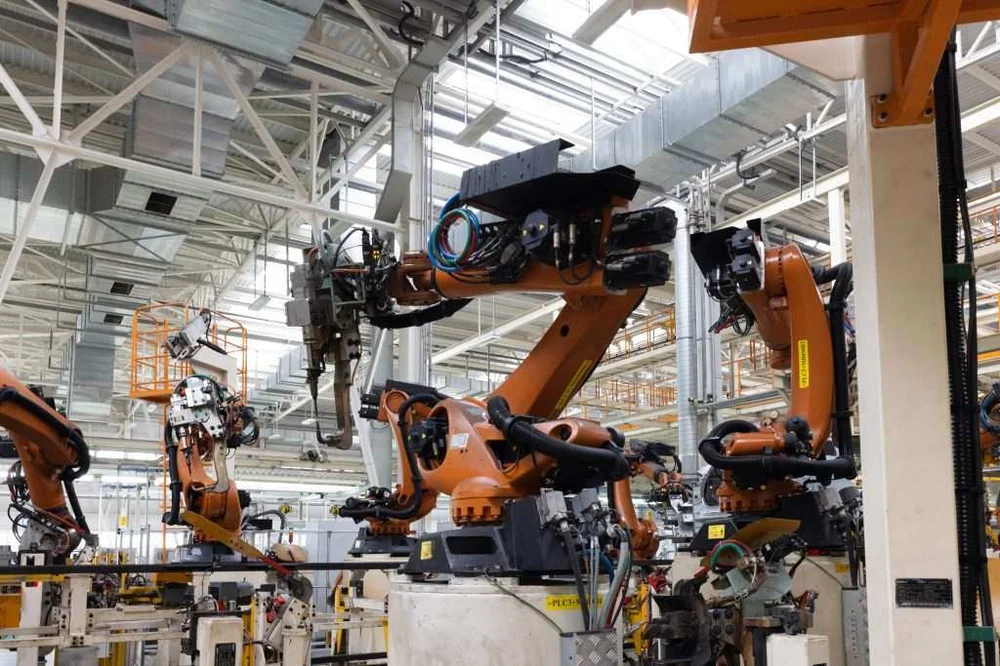
Boosting output and efficiency on the factory floor is a constant challenge for manufacturers. As markets evolve and competition intensifies, companies must adopt effective manufacturing productivity improvement strategies to stay ahead. This article explores proven methods, from process optimization to digital transformation, that help organizations maximize throughput, reduce waste, and maintain high quality standards.
Alongside traditional lean approaches, new technologies and data-driven practices are reshaping how manufacturers approach productivity. We’ll examine both foundational principles and the latest innovations, ensuring practical takeaways for leaders, engineers, and operations teams.
For those interested in leveraging advanced visual tools, exploring augmented reality in quality audits can provide valuable insights into data-driven quality management and productivity gains.
Core Principles for Enhancing Factory Output
Improving productivity in manufacturing starts with a strong foundation. The following principles underpin most successful improvement initiatives:
- Standardization: Establishing clear, repeatable processes reduces variability and errors.
- Continuous Improvement: Adopting a culture of ongoing evaluation and refinement, such as Kaizen, ensures incremental gains over time.
- Employee Engagement: Empowering staff to identify bottlenecks and suggest improvements often uncovers practical solutions.
- Data-Driven Decisions: Using accurate metrics and real-time monitoring allows for faster, more effective responses to issues.
These principles create a solid platform for deploying more advanced manufacturing productivity improvement strategies tailored to specific operations.
Lean Manufacturing and Waste Reduction
Lean methodologies remain at the heart of many productivity initiatives. By focusing on eliminating waste (muda), manufacturers can streamline operations and reduce costs. Key lean tools include:
- 5S: Organizing the workplace for efficiency and safety.
- Value Stream Mapping: Visualizing the flow of materials and information to identify inefficiencies.
- Just-in-Time (JIT): Producing only what is needed, when it is needed, to minimize inventory and lead times.
- Kanban: Using visual cues to control workflow and prevent overproduction.
Implementing these lean techniques helps organizations reduce downtime, improve quality, and increase throughput.
Leveraging Technology for Greater Efficiency
Digital transformation is reshaping the manufacturing landscape. Integrating new technologies can unlock significant productivity gains:
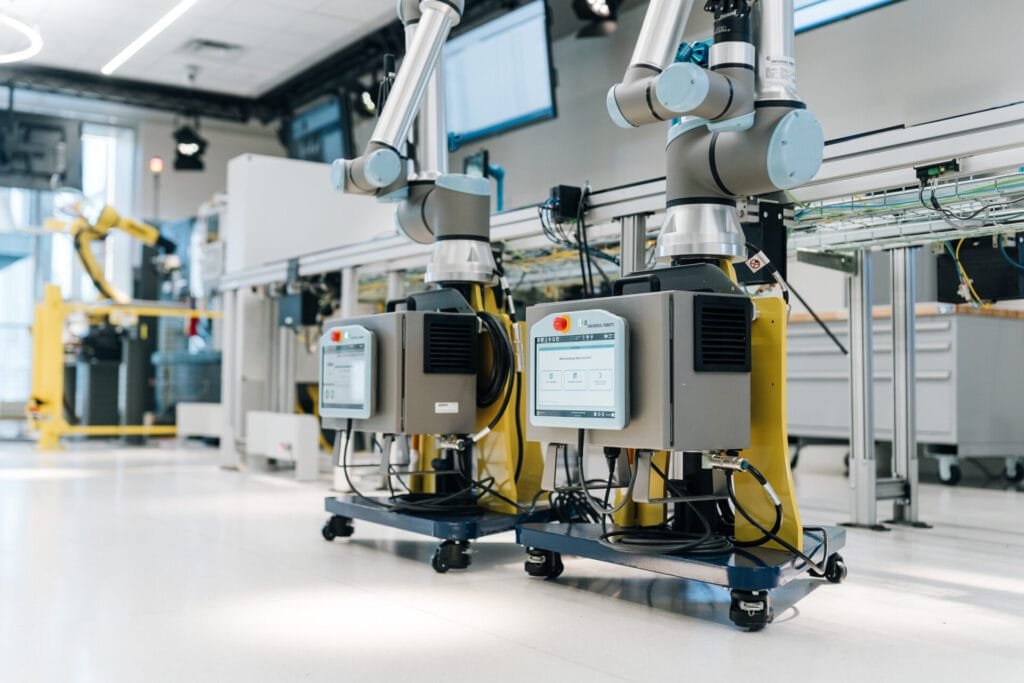
- Automation: Robotics and automated systems handle repetitive or hazardous tasks, freeing up human workers for higher-value activities.
- Industrial IoT (IIoT): Connected sensors and devices provide real-time data on equipment performance, enabling predictive maintenance and minimizing unplanned downtime.
- Artificial Intelligence: AI-powered analytics can optimize scheduling, quality control, and supply chain management.
- Wearable Technology: Solutions like wearable AI for manual inspection support enhance worker productivity and accuracy by providing real-time guidance and data capture.
Adopting these digital tools can help manufacturers respond quickly to changing conditions and maintain a competitive edge.
Optimizing Workforce Performance
People are at the core of any successful productivity initiative. Strategies for maximizing workforce effectiveness include:
- Training and Upskilling: Ongoing education ensures employees can operate new equipment and adapt to process changes.
- Cross-Training: Teaching workers multiple roles increases flexibility and reduces bottlenecks caused by absences or turnover.
- Clear Communication: Regular meetings and transparent reporting keep everyone aligned on goals and progress.
- Recognition and Incentives: Rewarding high performance motivates teams to sustain improvements.
By investing in people, manufacturers can foster a culture of accountability and innovation that drives long-term productivity.
Data-Driven Manufacturing Productivity Improvement Strategies
Modern plants are increasingly relying on data to inform their improvement efforts. Some effective approaches include:
- Real-Time Monitoring: Tracking key performance indicators (KPIs) such as cycle time, yield, and downtime allows for immediate corrective action.
- Root Cause Analysis: Using tools like the 5 Whys or fishbone diagrams to identify and address underlying issues.
- Predictive Analytics: Leveraging machine learning to forecast maintenance needs, quality issues, or supply chain disruptions.
- Model Drift Monitoring: For AI-driven processes, monitoring AI model drift in factories ensures that automated systems remain accurate and effective over time.
Data-driven decision-making leads to more targeted improvements and measurable results.
Process Optimization and Continuous Improvement
Process optimization is a continuous journey. Manufacturers can use several methods to refine operations:
- Bottleneck Analysis: Identifying and alleviating constraints that limit overall throughput.
- Process Mapping: Documenting every step to uncover redundancies and streamline workflows.
- Experimentation: Using controlled trials (such as A/B testing) to compare process changes before full-scale implementation.
- Hyperparameter Tuning: In AI-powered inspection systems, hyperparameter tuning for inspection models can optimize performance and accuracy.
Regularly reviewing and refining processes ensures that productivity gains are sustained and built upon over time.
Emerging Trends in Industrial Productivity
Staying ahead of the curve means embracing new trends and technologies. Some of the most promising developments include:
- Vision Transformers: Advanced machine vision, such as vision transformers for industrial use, enables faster and more accurate quality inspections.
- Augmented Reality: AR overlays can guide workers through complex assembly or maintenance tasks, reducing errors and training time.
- Collaborative Robotics: Cobots work alongside humans, increasing flexibility and safety on the shop floor.
- Sustainable Manufacturing: Eco-friendly processes not only reduce environmental impact but can also lower costs and improve brand reputation.
Adopting these innovations can further enhance productivity and position manufacturers for long-term success.
Best Practices from Industry Leaders
Top-performing manufacturers often share common practices:
- Regularly benchmarking performance against industry standards.
- Encouraging cross-functional collaboration between engineering, production, and quality teams.
- Investing in scalable technology that grows with the business.
- Maintaining a strong focus on safety, which directly impacts uptime and employee morale.
For a deeper dive into actionable methods, the article 10 strategies to improve production efficiency provides additional insights and case studies from leading manufacturers.
FAQ: Common Questions About Productivity in Manufacturing
What are the most effective ways to increase manufacturing output?
The most effective approaches combine lean principles, automation, workforce training, and data-driven decision-making. By standardizing processes, eliminating waste, and leveraging technology, manufacturers can achieve significant gains in output and efficiency.
How can digital tools help improve productivity on the shop floor?
Digital tools such as IoT sensors, AI analytics, and wearable devices provide real-time insights, automate routine tasks, and support proactive maintenance. These technologies enable faster response to issues, reduce downtime, and improve overall process control.
Why is employee engagement important for productivity improvement?
Engaged employees are more likely to identify inefficiencies, suggest practical solutions, and embrace new technologies or processes. A motivated workforce drives continuous improvement and helps sustain productivity gains over the long term.