

Manufacturing is rapidly evolving as digital transformation takes hold across industries. One of the most significant advancements is the integration of MES integration for AI inspection logs. By connecting manufacturing execution systems (MES) with artificial intelligence-driven inspection data, factories can achieve seamless digital tracking, improved traceability, and smarter decision-making. This approach not only boosts efficiency but also lays the groundwork for higher product quality and compliance.
As companies strive to modernize their operations, the need for robust, real-time data from inspection processes becomes critical. Integrating AI-powered inspection logs with MES platforms bridges the gap between automated quality checks and enterprise-level production management. This guide explores the benefits, challenges, and best practices for connecting these systems, offering practical insights for manufacturers looking to enhance their digital infrastructure.
For organizations interested in related advancements, exploring augmented reality in quality audits can provide further context on how digital tools are transforming quality management.
Why Connect AI Inspection Logs with MES?
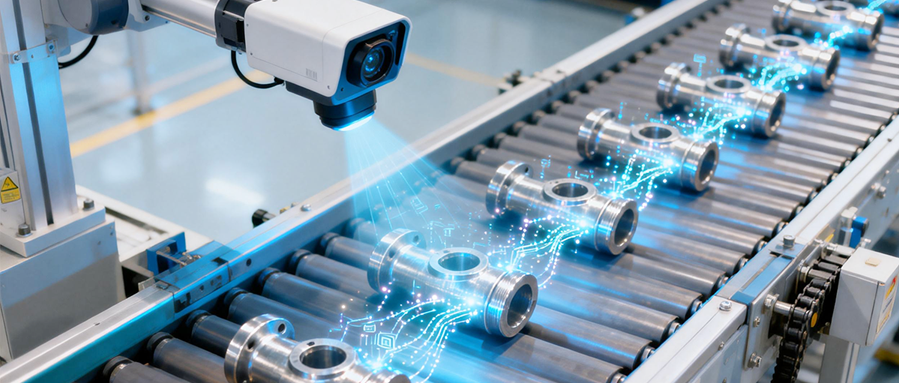
The integration of AI inspection outputs with MES platforms delivers several key advantages. AI systems generate vast amounts of inspection data, including defect detection, classification, and process anomalies. Without proper integration, this valuable information often remains siloed, limiting its usefulness for production planning and traceability.
By linking these inspection logs directly into the MES, manufacturers gain:
- Real-time visibility into inspection outcomes, enabling immediate response to quality issues.
- Automated traceability from raw material to finished product, essential for compliance and recalls.
- Centralized data management that supports analytics, reporting, and continuous improvement initiatives.
- Reduced manual entry and human error by automating data flows between systems.
Ultimately, this integration supports a more agile, data-driven manufacturing environment where quality and efficiency go hand in hand.
Key Components of MES and AI Inspection Log Integration
To achieve seamless digital tracking, several technical and operational components must work together:
- Data Interfaces: APIs or middleware that enable secure, real-time data exchange between AI inspection systems and the MES.
- Standardized Data Formats: Consistent data structures ensure that inspection results are accurately interpreted by the MES.
- Event Triggers: Automated actions in the MES based on inspection outcomes, such as halting production or flagging items for rework.
- Audit Trails: Comprehensive logs that capture every inspection event, supporting traceability and compliance audits.
A well-designed integration strategy ensures that every inspection result is captured, contextualized, and made actionable within the broader manufacturing workflow.
Benefits of Digital Tracking Through MES Integration
Implementing mes integration for ai inspection logs brings measurable improvements to manufacturing operations:
- Enhanced Traceability: Every product can be traced back through its inspection history, supporting root cause analysis and regulatory compliance.
- Faster Response to Quality Issues: Real-time alerts and data-driven workflows enable teams to address defects before they escalate.
- Data-Driven Continuous Improvement: Centralized inspection data supports advanced analytics, revealing trends and opportunities for process optimization.
- Reduced Downtime: Automated feedback loops between inspection and production systems minimize delays caused by manual interventions.
For manufacturers operating in regulated industries, such as automotive or pharmaceuticals, these benefits are especially valuable. Digital tracking ensures that every quality event is documented and accessible for audits or customer inquiries.

Challenges and Considerations in Implementation
While the advantages are clear, integrating AI inspection logs with MES platforms presents several challenges:
- System Compatibility: Not all MES and AI solutions are designed to communicate out of the box. Custom interfaces or middleware may be required.
- Data Volume and Velocity: AI inspections can generate large datasets rapidly, demanding robust infrastructure for storage and processing.
- Data Security: Sensitive production and inspection data must be protected, especially when integrating across networks or cloud platforms.
- Change Management: Staff may need training to adapt to new workflows and digital tools.
Careful planning, stakeholder engagement, and a phased rollout can help mitigate these risks. Collaborating with technology partners who understand both MES and AI systems is often essential for success.
Best Practices for Successful MES and AI Inspection Log Integration
To maximize the value of digital tracking, manufacturers should consider the following best practices:
- Define Clear Objectives: Establish what you want to achieve—better traceability, faster defect resolution, or improved compliance.
- Standardize Data: Use industry-standard formats for inspection results to simplify integration and future scalability.
- Automate Where Possible: Leverage event-driven workflows to minimize manual data entry and intervention.
- Monitor and Optimize: Continuously review integration performance and refine processes based on real-world feedback.
- Prioritize Security: Implement robust access controls and data encryption to protect sensitive information.
For those interested in monitoring the ongoing performance of AI models in production, the article on monitoring AI model drift in factories offers valuable insights into maintaining long-term accuracy and reliability.
Industry Examples and Use Cases
Many sectors are already seeing the benefits of connecting AI inspection data with MES platforms:
- Automotive: Real-time defect detection and traceability for critical components, supporting recalls and warranty management.
- Electronics: Automated inspection of circuit boards with instant feedback to production lines, reducing scrap rates.
- Pharmaceuticals: Compliance with stringent quality regulations through comprehensive digital audit trails.
For a deeper dive into how these integrations are shaping the future of manufacturing, see this technical overview of MES and AI integration in industrial settings.
Additionally, wearable technology is enhancing manual inspection processes. Learn more about wearable ai for manual inspection support and how it complements automated systems.
Future Trends in Digital Manufacturing Integration
The landscape of digital manufacturing is continuously evolving. As AI and MES technologies mature, expect to see:
- Greater Interoperability: Open standards and APIs will make it easier to connect diverse systems.
- Edge Computing: Processing inspection data closer to the source for faster decision-making and reduced latency.
- Predictive Analytics: Leveraging historical inspection logs to forecast quality issues before they occur.
- Integration with Emerging Technologies: Combining digital tracking with vision transformers for industrial use and AR tools for even richer insights.
Staying ahead of these trends will be key for manufacturers aiming to maintain a competitive edge in quality and efficiency.
FAQ
What is the main benefit of integrating AI inspection logs with MES?
The primary advantage is real-time digital tracking of quality data, enabling immediate action on defects, improved traceability, and streamlined compliance processes.
How does MES integration improve traceability in manufacturing?
By linking inspection results directly to production records, MES platforms provide a comprehensive audit trail. This allows manufacturers to trace every product back to its inspection events, supporting root cause analysis and regulatory requirements.
What challenges should manufacturers expect during integration?
Common challenges include ensuring compatibility between systems, managing large volumes of inspection data, maintaining data security, and training staff on new digital workflows.
Can MES and AI inspection integration support continuous improvement?
Yes, centralized inspection data enables advanced analytics and reporting, helping teams identify trends, optimize processes, and drive ongoing quality improvements.
Integrating AI-driven inspection logs with MES platforms is a strategic step toward smarter, more resilient manufacturing. By embracing digital tracking, organizations can unlock new levels of quality, efficiency, and compliance in their operations.