
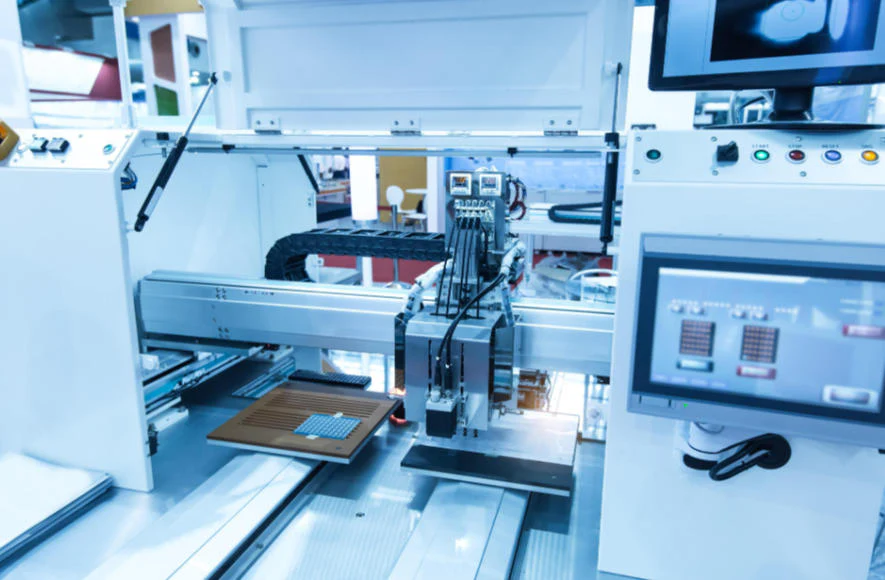
NDT continuous monitoring systems are rapidly transforming the landscape of modern assembly lines. As manufacturing processes become more complex and demand for quality intensifies, real-time inspection and data-driven decision-making are no longer optional—they are essential. These advanced solutions enable manufacturers to detect defects, monitor process stability, and ensure product integrity without interrupting production. By integrating continuous non-destructive testing (NDT) into assembly workflows, organizations can achieve higher efficiency, reduce waste, and maintain the stringent quality standards required in today’s competitive markets.
To further enhance quality management, many manufacturers are also leveraging advanced manufacturing quality analytics to gain deeper insights from the data generated by these monitoring systems. This combination of real-time inspection and analytics is setting new benchmarks for operational excellence.
How Real-Time NDT Monitoring Enhances Assembly Line Quality
Continuous inspection technologies are designed to operate seamlessly alongside automated assembly lines. Unlike traditional spot-checks or batch-based testing, these systems provide ongoing oversight of every component and process step. This approach ensures that any deviation from quality standards is detected immediately, allowing for rapid intervention and minimizing the risk of defective products reaching customers.
Key benefits of integrating real-time NDT monitoring into assembly operations include:
- Immediate defect detection—catching issues as soon as they arise, not after the fact.
- Reduced downtime—eliminating the need to stop production for manual inspections.
- Data-driven process control—enabling continuous improvement and root cause analysis.
- Lower scrap rates—preventing defective parts from advancing further in the process.
By providing a constant stream of actionable data, these solutions empower teams to make informed decisions and optimize production in real time.
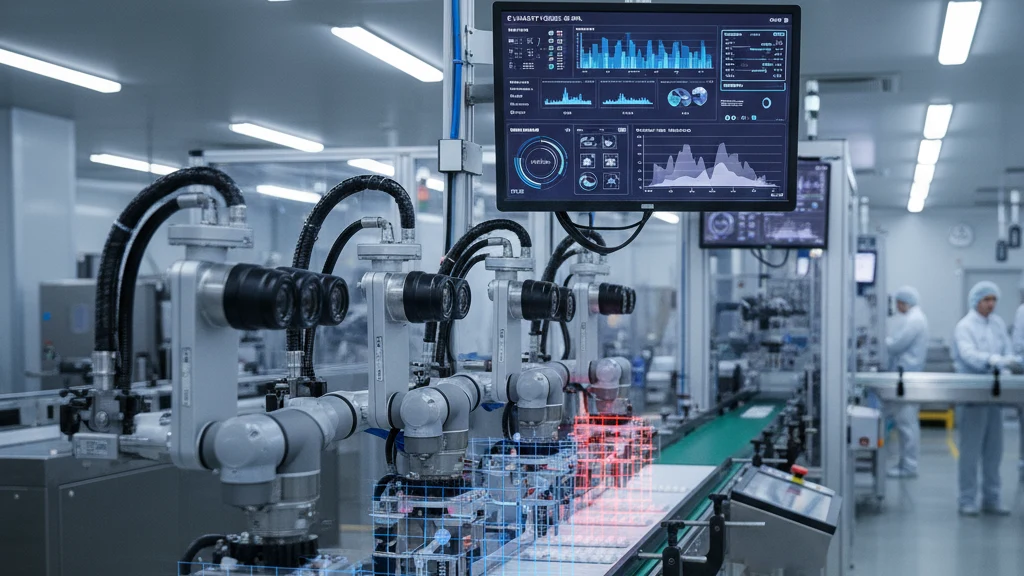
Core Technologies Behind Continuous NDT Solutions
The backbone of NDT continuous monitoring systems lies in a combination of advanced sensor technologies, data acquisition hardware, and intelligent software. Some of the most widely used methods include:
- Ultrasonic testing—detects internal flaws and measures material thickness using high-frequency sound waves.
- Eddy current inspection—identifies surface and near-surface defects in conductive materials.
- Infrared thermography—monitors temperature variations to reveal hidden structural issues.
- Machine vision—utilizes high-resolution cameras and AI algorithms for surface inspection and dimensional checks.
These technologies are often networked with industrial automation platforms, allowing for seamless data flow and integration with existing manufacturing execution systems (MES) and quality management software.
For organizations looking to further elevate their quality control, exploring next generation quality monitoring systems can provide additional layers of insight and automation.
Key Benefits of Automated NDT in Modern Manufacturing
Adopting automated, continuous inspection brings tangible advantages to assembly operations. Here are some of the most impactful outcomes:
- Consistent product quality—every item is inspected, not just a sample, ensuring uniformity and compliance with specifications.
- Faster response to process drift—real-time alerts enable teams to address issues before they escalate.
- Traceability and documentation—detailed records support regulatory compliance and customer audits.
- Resource optimization—reduces manual labor and frees up skilled personnel for higher-value tasks.
- Cost savings—lower rework, warranty claims, and material waste contribute to improved profitability.
These benefits are especially critical in industries such as automotive, electronics, aerospace, and pharmaceuticals, where even minor defects can have significant consequences.
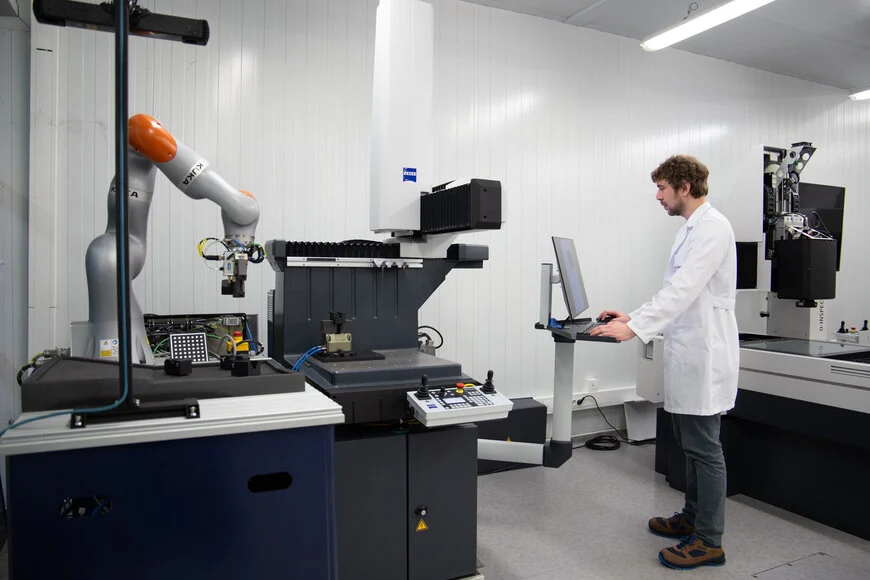
Integrating Continuous Inspection with Quality Analytics
The true value of NDT continuous monitoring systems is unlocked when their data is harnessed for analytics and process optimization. By combining inspection results with advanced analytics platforms, manufacturers can:
- Identify patterns and trends in defect occurrence.
- Pinpoint root causes of quality issues and implement corrective actions.
- Predict maintenance needs and prevent equipment failures.
- Continuously refine process parameters for optimal performance.
Solutions such as variance detection in manufacturing help teams spot anomalies early, while OEE monitoring and quality control tools provide a holistic view of plant efficiency.
For a broader perspective on the metrics that matter, reviewing manufacturing performance indicators can help organizations align inspection data with business objectives.
Implementation Considerations for Assembly Environments
Deploying continuous NDT solutions in a production environment requires careful planning and collaboration between engineering, quality, and IT teams. Key factors to consider include:
- Compatibility with existing equipment—ensure sensors and software can integrate with current automation systems.
- Data management—establish protocols for storing, analyzing, and securing inspection data.
- Scalability—choose solutions that can grow with production needs and accommodate new product lines.
- Training and change management—prepare staff to interpret data and respond to system alerts effectively.
- Regulatory compliance—verify that inspection methods meet industry-specific standards and documentation requirements.
Manufacturers can maximize the impact of these systems by adopting a phased approach, starting with high-risk or high-value process steps and expanding coverage over time.
Industry Applications and Use Cases
The adoption of NDT continuous monitoring systems is accelerating across a range of sectors. Some notable applications include:
- Automotive assembly—detecting weld defects, monitoring adhesive application, and verifying component fit.
- Electronics manufacturing—inspecting solder joints, PCB integrity, and micro-component placement.
- Aerospace production—ensuring structural integrity of critical components and assemblies.
- Pharmaceutical packaging—verifying seal integrity and detecting contamination in real time.
These examples illustrate how continuous inspection is not limited to a single industry but is broadly applicable wherever quality and reliability are paramount.
For a deeper dive into the broader benefits of real-time monitoring, the article on real-time production monitoring benefits offers valuable insights into how these approaches drive business value.
Challenges and Future Trends in Continuous NDT
While the advantages are clear, implementing continuous inspection is not without challenges. Common hurdles include:
- Initial investment—high-quality sensors and integration can require significant upfront costs.
- Data overload—managing and interpreting large volumes of inspection data demands robust IT infrastructure.
- System calibration—maintaining accuracy over time requires regular calibration and validation.
- Cybersecurity—protecting sensitive production data from unauthorized access is increasingly important.
Looking ahead, the future of continuous NDT will likely be shaped by advances in artificial intelligence, cloud computing, and edge analytics. These innovations promise even greater accuracy, faster decision-making, and more seamless integration with the broader digital factory ecosystem.
Frequently Asked Questions
What types of defects can continuous NDT systems detect?
Continuous NDT solutions are capable of identifying a wide range of defects, including cracks, voids, inclusions, surface irregularities, dimensional deviations, and improper assembly. The specific types of flaws detected depend on the chosen inspection technology and the materials being monitored.
How do these systems integrate with existing manufacturing equipment?
Most modern NDT monitoring platforms are designed for compatibility with industrial automation systems. They can be connected to programmable logic controllers (PLCs), MES platforms, and quality management software, allowing for seamless data exchange and coordinated process control.
Are continuous NDT solutions suitable for small and medium-sized manufacturers?
Yes, scalable options are available for organizations of all sizes. While initial investment may be a consideration, the long-term benefits of improved quality, reduced waste, and enhanced traceability often outweigh the costs, making these systems accessible and valuable for a broad range of manufacturers.