
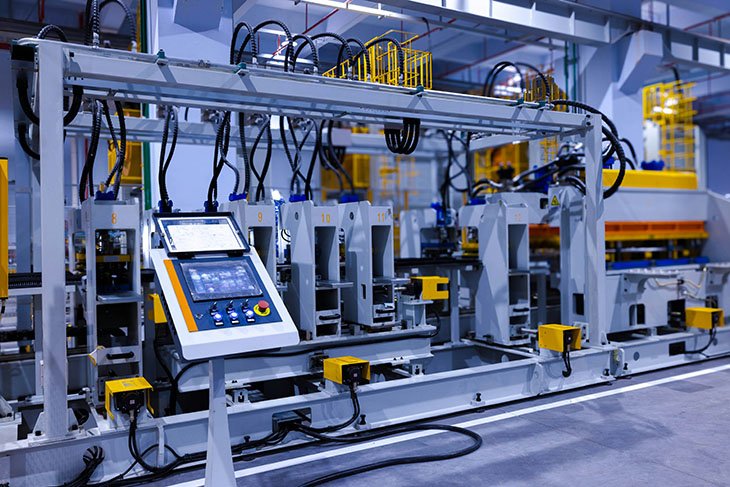
Delivering consistent product quality is crucial for building trust and satisfaction among customers. As manufacturing processes become more complex, businesses are increasingly relying on outgoing quality control systems to ensure that only products meeting strict standards reach the end user. These systems are the final checkpoint before goods leave the factory, acting as a safeguard against defects and non-conformities that could damage a company’s reputation.
Modern quality control at the shipping stage is not just about catching errors—it’s about enabling continuous improvement, reducing returns, and supporting customer loyalty. By integrating advanced analytics and real-time monitoring, manufacturers can proactively address issues, minimize waste, and deliver on their promises to customers.
For organizations looking to enhance their inspection processes, leveraging advanced manufacturing quality analytics can provide deeper insights and smarter decision-making. These tools help teams identify trends, spot anomalies, and optimize their outgoing inspection protocols for better results.
Why Outgoing Inspection Matters in Manufacturing
Outgoing inspection is the last opportunity to catch defects before products reach customers. If a faulty item slips through, it can result in returns, warranty claims, and even long-term brand damage. Effective outgoing quality control systems are designed to:
- Detect and isolate defective products before shipment
- Ensure compliance with customer specifications and industry standards
- Reduce the risk of costly recalls and after-sales issues
- Provide data for continuous process improvement
By implementing robust controls at this stage, manufacturers can protect both their bottom line and their reputation.
Key Components of Effective Outgoing Quality Control Systems
Modern outgoing inspection frameworks combine people, processes, and technology. The most effective systems typically include:
- Standardized inspection protocols: Clear guidelines for what to check, how to measure, and acceptable tolerances.
- Automated inspection tools: Cameras, sensors, and AI-driven software for rapid, objective checks.
- Data capture and analytics: Systems that record inspection results and highlight trends or recurring issues.
- Feedback loops: Mechanisms to relay findings back to production teams for corrective action.
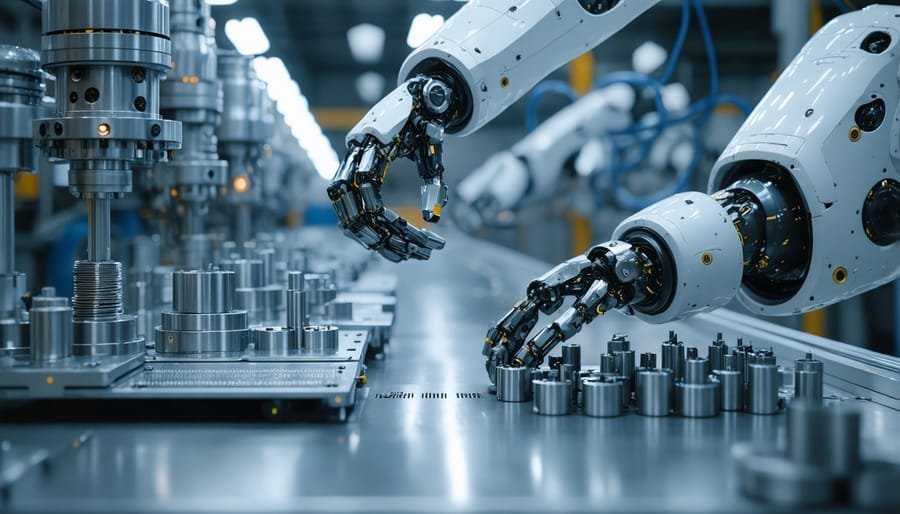
Integrating these elements ensures that outgoing checks are thorough, repeatable, and aligned with customer expectations.
How Technology Is Transforming Outgoing Quality Control
Advances in automation and artificial intelligence are reshaping how manufacturers approach final inspections. With machine vision and real-time data analysis, companies can:
- Detect subtle defects that might escape the human eye
- Reduce inspection times and labor costs
- Generate comprehensive reports for compliance and traceability
- Predict and prevent future quality issues by analyzing patterns
For example, next generation quality monitoring systems leverage AI to continuously learn from inspection data, improving accuracy over time. This not only increases efficiency but also raises the bar for product consistency.
Best Practices for Implementing Outgoing Quality Control
To maximize the impact of your outgoing inspection process, consider these best practices:
- Define clear acceptance criteria for each product type, based on customer requirements and regulatory standards.
- Train inspection staff regularly to ensure consistency and awareness of the latest standards.
- Use checklists and digital tools to minimize human error and standardize inspections.
- Leverage analytics to identify root causes of defects and drive process improvements upstream.
- Establish feedback mechanisms so that findings from outgoing checks inform production and quality teams.

Following these steps ensures that outgoing quality control is not just a formality but a value-adding part of your manufacturing process.
Linking Outgoing Quality Control to Customer Satisfaction
There is a direct connection between robust outgoing inspection and customer happiness. When products consistently meet or exceed expectations, customers are more likely to become repeat buyers and recommend your brand. On the other hand, lapses in quality can quickly erode trust.
By investing in outgoing quality control systems, companies can:
- Reduce the number of defective products reaching customers
- Minimize returns, complaints, and warranty claims
- Build a reputation for reliability and excellence
Continuous improvement in this area is essential for staying competitive, especially in industries where quality is a key differentiator.
Real-Time Monitoring and Proactive Quality Management
One of the most significant advancements in recent years is the shift from reactive to proactive quality management. Real-time monitoring tools allow teams to spot issues as they happen, rather than after the fact. According to real-time monitoring for proactive quality management, this approach reduces the risk of defective products leaving the facility and enables faster corrective actions.
Combining real-time data with outgoing inspection provides a holistic view of quality across the entire production process. This integration supports faster decision-making and helps maintain high standards even as production volumes increase.
Integrating Outgoing Quality Control with Broader Quality Strategies
Outgoing inspection should not operate in isolation. It works best when integrated with other quality initiatives, such as:
- Variance detection in manufacturing to spot process deviations early
- Quality drift detection systems for monitoring gradual changes over time
- Downtime reduction through quality monitoring to keep production lines running smoothly
When these systems work together, manufacturers gain better control over product quality from start to finish, reducing risks and enhancing customer satisfaction.
Common Challenges and How to Overcome Them
While the benefits of outgoing inspection are clear, manufacturers often face challenges such as:
- Resistance to change from staff accustomed to manual processes
- Difficulty in standardizing inspections across multiple lines or facilities
- Managing large volumes of inspection data effectively
- Balancing thoroughness with speed to meet shipping deadlines
Overcoming these hurdles requires a combination of leadership commitment, investment in training, and the adoption of scalable digital tools. By addressing these challenges head-on, companies can ensure that their outgoing inspection process remains effective and efficient.
FAQ: Outgoing Quality Control in Manufacturing
What is the main purpose of outgoing quality control?
The primary goal is to ensure that only products meeting all quality standards are shipped to customers. This helps prevent defects from reaching the market, reduces returns, and protects the brand’s reputation.
How do automated systems improve outgoing inspection?
Automation brings consistency, speed, and accuracy to the inspection process. Machine vision and AI can detect defects that humans might miss, while digital records make it easier to track trends and demonstrate compliance.
Can outgoing quality control systems be integrated with other quality initiatives?
Yes, integrating outgoing inspection with variance detection, drift monitoring, and downtime reduction strategies creates a comprehensive approach to quality management. This synergy leads to better outcomes and more satisfied customers.