
Automation is transforming pharmaceutical quality control, making it faster, more reliable, and easier to maintain regulatory standards. As the industry faces increasing scrutiny and evolving compliance requirements, implementing the right strategies for automated inspection is essential. This guide shares practical pharmaceutical inspection automation tips to help organizations streamline processes, reduce risk, and ensure product integrity.
Adopting advanced inspection technologies not only improves accuracy but also supports data-driven decision-making and audit readiness. Whether you’re upgrading legacy systems or starting fresh, understanding how to optimize your automation approach is key to staying ahead in a highly regulated environment.
For those interested in leveraging cutting-edge visualization, consider exploring augmented reality in quality audits to enhance data interpretation and compliance monitoring.
Why Automate Pharmaceutical Inspection?
Manual inspection methods are time-consuming and prone to human error. Automation brings consistency, scalability, and traceability to quality assurance. By integrating automated systems, pharmaceutical companies can:
- Reduce risk of non-compliance and product recalls
- Increase throughput and operational efficiency
- Generate real-time data for continuous improvement
- Enhance documentation for regulatory audits
Automated inspection also supports advanced analytics, enabling early detection of process deviations and supporting proactive quality management.

Key Strategies for Effective Inspection Automation
To maximize the benefits of automation, it’s important to follow proven strategies tailored to the pharmaceutical sector. Here are some essential pharmaceutical inspection automation tips for compliance and performance:
1. Align Automation With Regulatory Standards
Before deploying any automated inspection system, ensure it aligns with current Good Manufacturing Practices (cGMP), FDA 21 CFR Part 11, and other applicable regulations. Automated solutions must provide:
- Secure, tamper-evident data logging
- Audit trails for all inspection activities
- Electronic signatures and access controls
Work closely with compliance experts during system design and validation to avoid costly retrofits or regulatory setbacks.
2. Integrate AI and Machine Learning for Enhanced Accuracy
Modern inspection platforms often incorporate artificial intelligence to detect subtle defects and anomalies that traditional systems might miss. AI-powered tools can adapt to new patterns, improving over time as more data is collected. For a deeper dive into the benefits of AI in quality assurance, see this overview of AI’s impact on quality management.
Machine learning algorithms can be trained to recognize complex product features, reducing false positives and negatives. This not only boosts inspection accuracy but also helps maintain compliance by catching issues early.
3. Ensure Seamless Data Integration and Traceability
Automated inspection systems should connect with your broader manufacturing execution and quality management platforms. This integration enables:
- Centralized data storage for all inspection results
- Automated reporting and dashboard creation
- Easy retrieval of records during audits
Traceability is a cornerstone of pharmaceutical compliance. Automated systems that log every inspection event, along with operator actions and system changes, make it easier to demonstrate compliance and investigate deviations.

4. Prioritize User Training and Change Management
Even the most advanced automation is only as effective as its users. Invest in comprehensive training programs for operators, quality teams, and IT staff. Key areas to cover include:
- System operation and troubleshooting
- Data interpretation and reporting
- Compliance protocols and documentation
Change management is crucial for smooth adoption. Involve stakeholders early, communicate benefits, and provide ongoing support to encourage buy-in and minimize resistance.
5. Monitor and Maintain Inspection Systems Proactively
Routine maintenance and performance monitoring are vital to sustaining compliance and reliability. Establish schedules for:
- System calibration and validation
- Software updates and security patches
- Review of inspection logs and error rates
Consider leveraging advanced monitoring tools, such as those discussed in monitoring AI model drift in factories, to ensure your inspection algorithms remain accurate as production conditions change.
Common Challenges and How to Overcome Them
Automating pharmaceutical inspections comes with unique hurdles. Here’s how to address some of the most common issues:
- System Integration: Choose platforms with open APIs and robust support for industry standards to simplify connectivity with existing infrastructure.
- Data Security: Implement strict access controls and encryption to protect sensitive manufacturing and patient data.
- Validation Complexity: Work with experienced validation partners and document every step to satisfy regulatory requirements.
- Scalability: Select modular solutions that can grow with your operations and adapt to new product lines or regulatory changes.
By proactively addressing these challenges, pharmaceutical companies can achieve smoother implementation and long-term success with automated inspection.
Best Practices for Ongoing Compliance
Maintaining compliance is an ongoing process. Here are additional pharmaceutical inspection automation tips to ensure your systems stay audit-ready:
- Regularly review and update standard operating procedures (SOPs) to reflect changes in automation technology and regulations.
- Conduct periodic internal audits to identify gaps and opportunities for improvement.
- Engage with technology partners who offer continuous support and updates.
- Document all system changes, user training, and validation activities for future reference.
Staying proactive with these practices not only supports compliance but also drives operational excellence and product quality.
Emerging Trends in Automated Pharmaceutical Inspection
The landscape of automated inspection is rapidly evolving. Some notable trends include:
- Vision transformers and deep learning are enabling more sophisticated defect detection and classification. Learn more about these advancements in vision transformers for industrial use.
- Wearable AI devices are supporting manual inspection teams by providing real-time guidance and data capture, as described in wearable ai for manual inspection support.
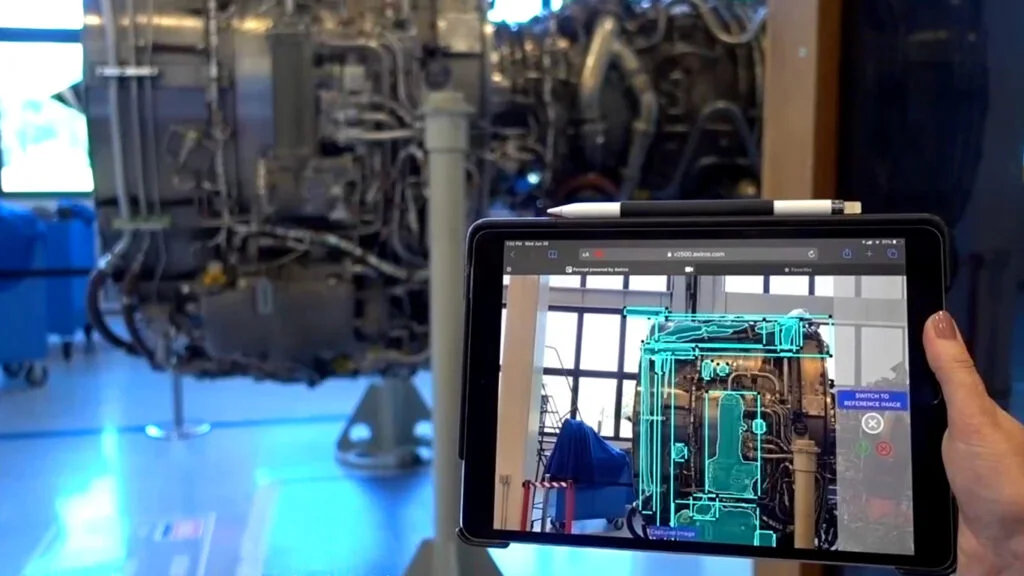
- Augmented reality is being used to visualize inspection data and streamline quality audits, making it easier to spot trends and anomalies.
- Hyperparameter tuning is optimizing the performance of inspection models for greater accuracy and speed. For more, see hyperparameter tuning for inspection models.
Staying informed about these innovations can help your organization remain competitive and compliant as technology and regulations evolve.
FAQ
What are the main benefits of automating pharmaceutical inspections?
Automated inspection systems deliver greater accuracy, consistency, and speed compared to manual methods. They reduce the risk of human error, support regulatory compliance, and generate comprehensive data for audits and continuous improvement.
How do automated inspection systems support regulatory compliance?
These systems provide secure data logging, audit trails, and electronic signatures, all of which are required for compliance with cGMP and FDA regulations. Automated documentation also simplifies the audit process and helps demonstrate adherence to standards.
What should be considered when selecting an automated inspection solution?
Key considerations include regulatory alignment, scalability, integration capabilities, data security, and support for advanced analytics like AI and machine learning. It’s also important to evaluate vendor support and system validation processes.