
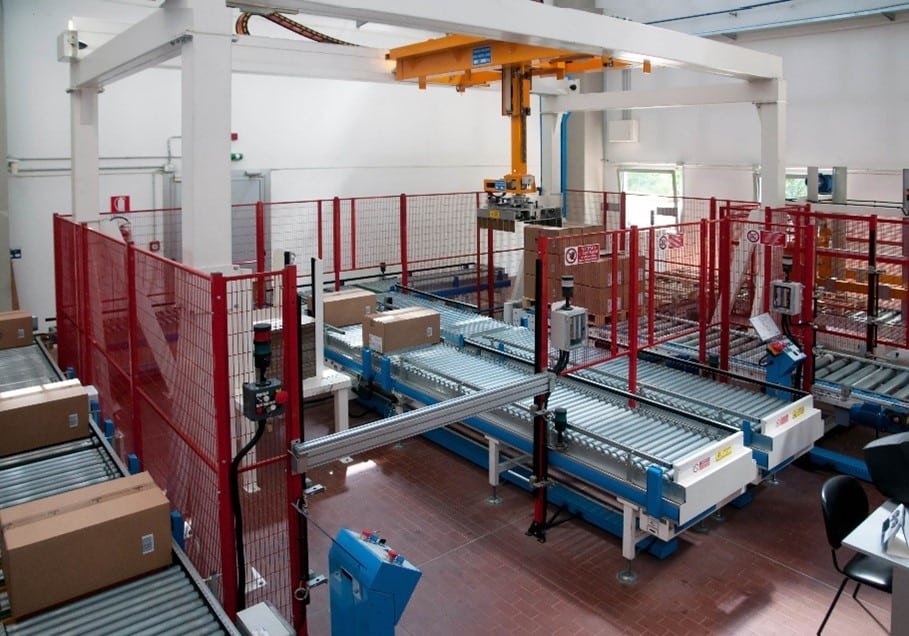
In today’s rapidly evolving industrial landscape, minimizing defects and ensuring product quality have become more critical than ever. Manufacturers are under constant pressure to deliver flawless products while keeping costs under control and meeting tight deadlines. This has led to the widespread adoption of predictive defect analysis techniques, which leverage data, machine learning, and advanced analytics to anticipate and prevent quality issues before they occur.
By integrating these advanced methods into production lines, companies can move from reactive quality control to a proactive approach. This not only reduces waste and rework but also improves customer satisfaction and operational efficiency. For organizations seeking to stay competitive, understanding and implementing modern defect prediction strategies is no longer optional—it’s essential.
As digital transformation accelerates, many manufacturers are also exploring related innovations such as augmented reality in quality audits to visualize data and streamline inspection processes. These complementary technologies, when combined with predictive analytics, can significantly enhance overall quality management strategies.
Understanding Predictive Defect Analysis in Manufacturing
At its core, predictive defect analysis refers to the use of statistical models, artificial intelligence, and historical data to forecast potential defects in products or processes. Unlike traditional quality control, which often identifies issues after they have occurred, predictive approaches aim to spot warning signs early and enable corrective action before defects reach the customer.
The foundation of these methods is data—collected from sensors, production logs, inspection systems, and even operator input. By analyzing this information, predictive models can identify patterns and correlations that signal an increased risk of defects. This empowers manufacturers to address root causes proactively, reducing downtime and improving yield.
Key Predictive Defect Analysis Techniques and Their Applications
A variety of analytical methods are used to anticipate and prevent quality issues in modern industry. Some of the most impactful techniques include:
- Machine Learning Algorithms: Supervised and unsupervised learning models can be trained on historical defect data to recognize subtle indicators of potential problems. These models continuously improve as more data is collected, making them highly effective for dynamic production environments.
- Statistical Process Control (SPC): By monitoring process parameters in real time, SPC techniques can detect deviations from normal operating conditions that may lead to defects. Control charts and process capability analysis are common tools within this approach.
- Computer Vision and Deep Learning: Automated visual inspection systems use cameras and deep neural networks to identify surface defects, misalignments, or anomalies that might be missed by human inspectors. These systems can operate at high speeds and with remarkable accuracy.
- Predictive Maintenance: While primarily focused on equipment health, predictive maintenance techniques also play a role in defect prevention by reducing unplanned downtime and ensuring machines operate within optimal parameters.
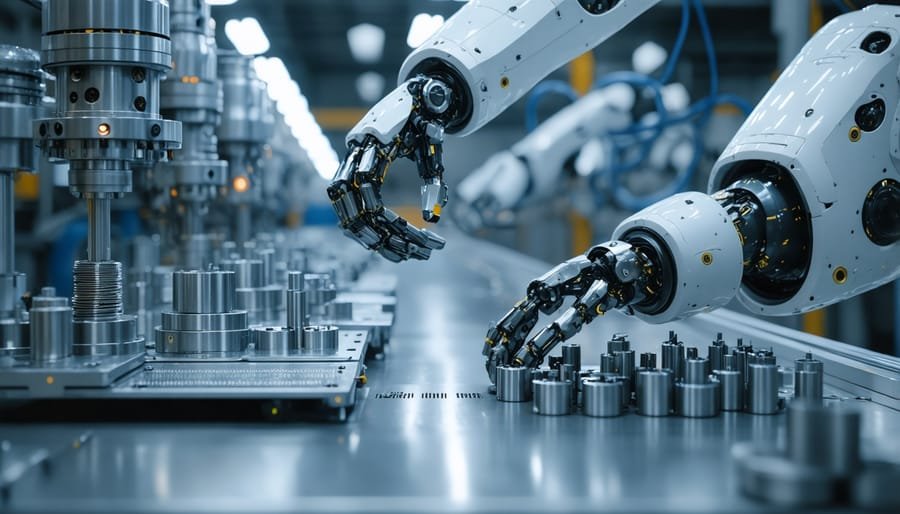
These advanced approaches are increasingly being adopted across sectors such as automotive, electronics, pharmaceuticals, and food processing, where even minor defects can have significant consequences.
Benefits of Implementing Predictive Quality Control Methods
Adopting predictive strategies for defect detection and prevention offers a range of tangible benefits for manufacturers:
- Reduced Scrap and Rework: By catching issues early, companies can minimize wasted materials and avoid costly rework.
- Improved Product Consistency: Predictive analytics help maintain tight control over process variables, resulting in more uniform products.
- Enhanced Customer Satisfaction: Fewer defects mean higher-quality products and fewer returns or complaints from customers.
- Lower Operational Costs: Proactive defect prevention reduces the need for manual inspections and lowers the risk of expensive recalls.
- Faster Root Cause Analysis: Data-driven insights make it easier to trace problems back to their source, enabling quicker corrective action.
For a deeper look at how artificial intelligence is transforming quality control, see this detailed overview of AI benefits for manufacturing quality control.
Integrating Predictive Defect Analysis with Other Digital Tools
Modern manufacturers rarely rely on a single technology. Instead, they combine multiple digital tools to create robust quality management systems. For example, integrating predictive defect analysis techniques with real-time monitoring, IoT sensors, and advanced visualization platforms can provide a comprehensive view of production health.
Emerging solutions such as wearable AI for manual inspection support and vision transformers for industrial use are also enhancing the capabilities of traditional inspection teams. These innovations enable faster data collection, more accurate defect detection, and improved decision-making on the shop floor.
Another critical aspect is the ongoing optimization of machine learning models. Techniques like hyperparameter tuning for inspection models ensure that predictive systems remain accurate and relevant as production conditions change. Regular monitoring for model drift, as discussed in monitoring AI model drift in factories, is also essential to maintain high performance over time.
Challenges and Best Practices for Predictive Quality Analytics
While the advantages of predictive analytics in defect detection are clear, implementing these systems is not without challenges. Some common hurdles include:
- Data Quality and Availability: Predictive models are only as good as the data they are trained on. Incomplete, inconsistent, or inaccurate data can undermine results.
- Integration with Legacy Systems: Many factories still operate with older equipment and software, making data integration a complex task.
- Change Management: Shifting from traditional inspection methods to data-driven approaches requires buy-in from all levels of the organization.
- Model Maintenance: Predictive systems must be regularly updated and validated to ensure continued accuracy as processes and products evolve.
To maximize the value of predictive defect prevention, manufacturers should focus on building a strong data foundation, investing in employee training, and fostering a culture of continuous improvement. Collaboration between data scientists, engineers, and production staff is key to successful implementation.
Frequently Asked Questions
What industries benefit most from predictive defect analysis?
Sectors with high production volumes and strict quality requirements—such as automotive, electronics, aerospace, pharmaceuticals, and food processing—see the greatest benefits. However, any industry where defects can impact safety, compliance, or customer satisfaction can leverage these techniques.
How is machine learning used in defect prediction?
Machine learning models are trained on historical production and defect data to identify patterns that precede quality issues. Once deployed, these models can analyze real-time data streams to flag potential defects, enabling proactive intervention.
What are the main challenges in implementing predictive analytics for quality?
Key challenges include ensuring high-quality data, integrating new systems with existing infrastructure, maintaining model accuracy over time, and managing organizational change. Addressing these challenges requires a strategic approach and ongoing commitment.
In summary, adopting predictive defect analysis techniques allows manufacturers to move from reactive to proactive quality control, resulting in fewer defects, lower costs, and improved customer satisfaction. As technology continues to advance, these methods will become even more integral to modern industry’s pursuit of excellence.