

Improving production line efficiency is a top priority for manufacturers aiming to increase output, reduce costs, and stay competitive. Whether you run a small facility or manage a large-scale operation, even minor adjustments can have a significant impact on overall productivity. This guide explores proven strategies and practical advice to help you optimize your processes, reduce waste, and empower your workforce for better results.
With the rapid evolution of technology and the growing complexity of manufacturing environments, it’s crucial to stay updated on the latest methods for streamlining operations. Leveraging digital tools, adopting lean principles, and focusing on workforce training are just a few ways to achieve measurable improvements. For those interested in advanced solutions, integrating augmented reality in quality audits can provide new levels of visibility and control over quality management.
Understanding the Foundations of Efficient Production Lines
Before implementing any changes, it’s essential to understand what drives efficiency on the factory floor. Key factors include:
- Workflow design: The arrangement of equipment, materials, and personnel should minimize unnecessary movement and delays.
- Process standardization: Consistent procedures reduce variability and errors, ensuring predictable outcomes.
- Equipment reliability: Well-maintained machines prevent unplanned downtime and maintain steady output.
- Employee engagement: A skilled and motivated workforce is more likely to identify and solve problems quickly.
By focusing on these core elements, manufacturers can lay a strong foundation for sustainable improvements in productivity.
Top Production Line Efficiency Tips for Immediate Impact
There are several actionable steps you can take to enhance your manufacturing processes. Here are some of the most effective approaches:
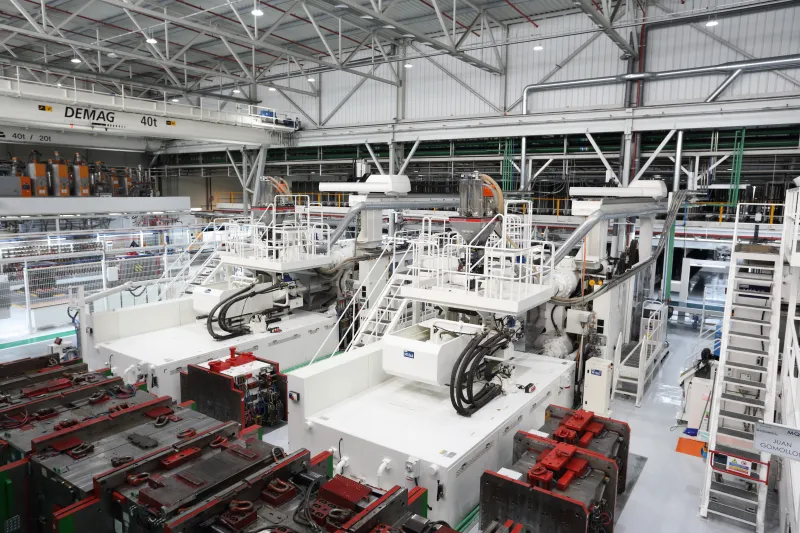
1. Map and Analyze Your Current Processes
Start by documenting every step in your production workflow. Use process mapping tools or simple flowcharts to visualize how materials and information move through your facility. This exercise helps identify bottlenecks, redundant steps, and areas where delays occur. Engage your team in this analysis, as frontline workers often have valuable insights into daily challenges and opportunities for improvement.
2. Embrace Lean Manufacturing Principles
Applying lean methodologies can dramatically reduce waste and boost throughput. Focus on:
- Eliminating non-value-added activities
- Reducing inventory and work-in-progress
- Implementing just-in-time production
- Standardizing work procedures
Lean thinking encourages continuous improvement and empowers employees to suggest and implement changes that streamline operations.
3. Invest in Workforce Training and Support
Well-trained employees are essential for efficient production lines. Provide regular training sessions on new equipment, safety protocols, and best practices. Consider digital solutions such as wearable AI for manual inspection support to assist workers in real time, reducing errors and speeding up manual tasks.
4. Prioritize Preventive Maintenance
Unplanned equipment breakdowns can bring production to a halt. Establish a preventive maintenance schedule to keep machines in optimal condition. Use digital monitoring tools to track performance and predict when servicing is needed. This proactive approach minimizes downtime and extends the lifespan of your assets.
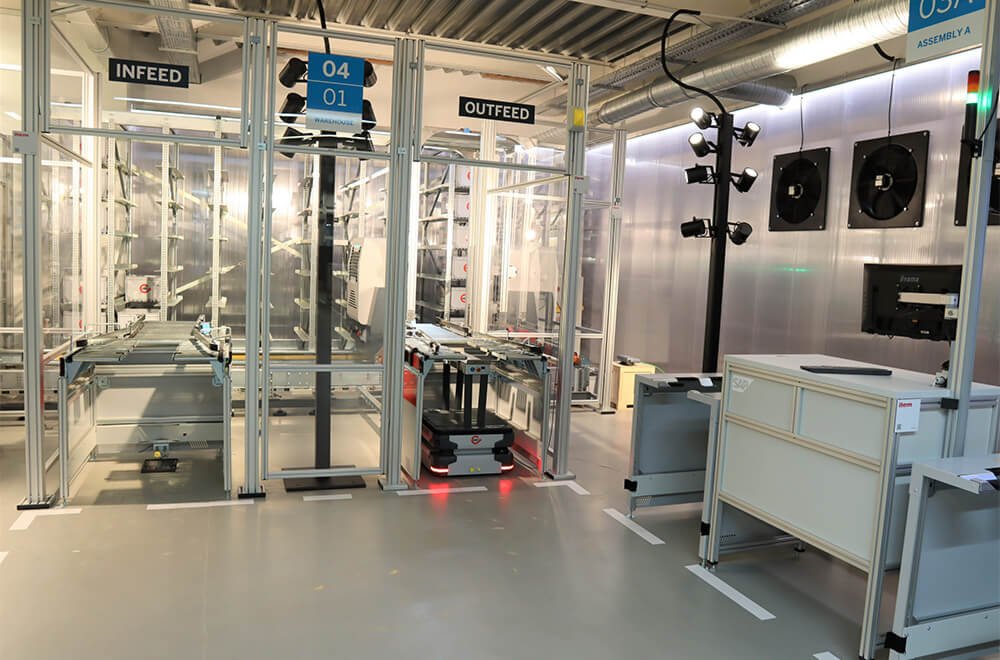
5. Leverage Data and Automation
Modern production environments generate vast amounts of data. Use analytics to monitor key performance indicators (KPIs) such as cycle time, yield, and downtime. Automated systems can help identify trends and trigger alerts when issues arise. For advanced operations, consider integrating AI-driven solutions to optimize scheduling, inventory management, and quality control.
Advanced Strategies for Sustained Efficiency Gains
Once foundational improvements are in place, consider these advanced tactics to further enhance your operation:
Implement Real-Time Monitoring and AI
Deploying real-time monitoring systems allows you to track production metrics as they happen. AI-powered tools can detect anomalies, predict maintenance needs, and optimize resource allocation. For example, solutions for monitoring AI model drift in factories help maintain accuracy in automated inspection and decision-making processes.
Optimize Layout and Material Flow
Revisit your facility layout to ensure materials, tools, and personnel move efficiently from one station to the next. Use simulation software to test different configurations before making physical changes. Small adjustments, such as relocating storage areas or reorganizing workstations, can yield significant productivity gains.
Foster a Culture of Continuous Improvement
Encourage employees at all levels to contribute ideas for process enhancements. Regularly review performance data and hold team meetings to discuss progress and challenges. Recognize and reward contributions that lead to measurable improvements. This culture of ongoing optimization ensures your operation remains agile and responsive to changing demands.
Common Pitfalls to Avoid in the Pursuit of Efficiency
While striving for greater output, it’s important to avoid common mistakes that can undermine your efforts:
- Over-automation: Automating every process without considering the human factor can lead to inflexibility and increased complexity.
- Neglecting quality: Focusing solely on speed may result in higher defect rates and costly rework.
- Ignoring employee feedback: Workers on the floor often have the best perspective on what works and what doesn’t.
- Poor change management: Implementing new systems or processes without proper training and communication can cause confusion and resistance.
By being mindful of these pitfalls, you can ensure that your efficiency initiatives deliver sustainable results.
Further Resources and Expert Insights
For a deeper dive into optimizing manufacturing operations, explore this comprehensive guide to improving manufacturing efficiency. Staying informed about industry trends and best practices will help you maintain a competitive edge.
Additionally, advancements in vision transformers for industrial use and hyperparameter tuning for inspection models are opening new possibilities for automated quality inspection and process optimization.
Frequently Asked Questions
What are the most effective ways to increase production line efficiency?
The most effective methods include mapping and analyzing workflows, adopting lean manufacturing principles, investing in workforce training, maintaining equipment proactively, and leveraging data analytics and automation. Combining these strategies ensures both immediate and long-term improvements.
How can technology help optimize manufacturing processes?
Technology enables real-time monitoring, predictive maintenance, and advanced analytics. Tools like AI, IoT sensors, and digital twins provide actionable insights, automate routine tasks, and help maintain consistent quality standards throughout the production process.
Why is employee involvement important in efficiency improvements?
Employees working directly on the production line have firsthand knowledge of daily operations and challenges. Their input is invaluable for identifying inefficiencies, suggesting practical solutions, and ensuring that new initiatives are adopted successfully.