
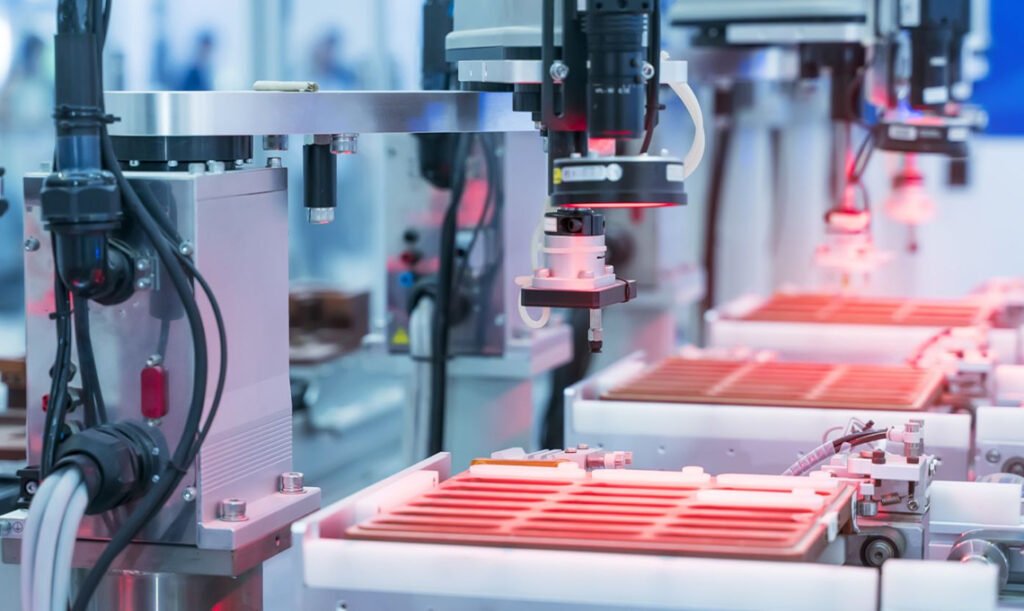
In modern manufacturing, the demand for flawless products is higher than ever. Customers expect consistent quality, and even minor defects can lead to costly recalls, damaged reputations, and lost business. As a result, quality defect detection in real time has become a critical focus for factories and production lines seeking to maintain high standards and minimize waste.
Traditional inspection methods often rely on manual checks or delayed batch sampling, which can miss subtle flaws and allow defective products to slip through. By contrast, advanced real-time monitoring solutions leverage automation, machine vision, and artificial intelligence to identify issues instantly—helping manufacturers respond immediately and prevent defective goods from reaching customers.
For those seeking to modernize their operations, exploring next generation quality monitoring systems can provide valuable insights into the latest advancements in automated inspection and process control.
Why Real-Time Defect Detection Matters
The ability to spot flaws as they occur transforms quality assurance from a reactive process into a proactive one. Instead of discovering issues after production is complete, manufacturers can intervene immediately, reducing scrap, rework, and downtime. This shift offers several key benefits:
- Reduced Waste: Early detection prevents defective products from advancing further down the line, minimizing material and labor losses.
- Improved Efficiency: Automated systems operate continuously and consistently, eliminating human error and fatigue.
- Higher Customer Satisfaction: Delivering consistently high-quality products strengthens brand reputation and customer loyalty.
- Regulatory Compliance: Many industries require stringent quality controls; instant detection helps meet these standards.
By integrating real-time inspection, factories can also gather valuable data to analyze trends, identify root causes, and drive ongoing process improvements.
Technologies Powering Instant Flaw Detection
Modern quality defect detection in real time relies on a combination of hardware and software innovations. The most common technologies include:
- Machine Vision Systems: High-resolution cameras capture images of products as they move along the line. Sophisticated algorithms analyze these images for surface defects, dimensional inaccuracies, or assembly errors.
- Artificial Intelligence (AI) and Deep Learning: AI models are trained on thousands of defect and non-defect images, enabling them to recognize subtle anomalies that traditional rule-based systems might miss.
- Sensor Integration: In addition to visual inspection, sensors can detect defects related to weight, temperature, vibration, or other physical properties.
- Edge Computing: Processing data at the source (on the production floor) reduces latency, allowing for immediate decision-making and feedback to operators or machines.
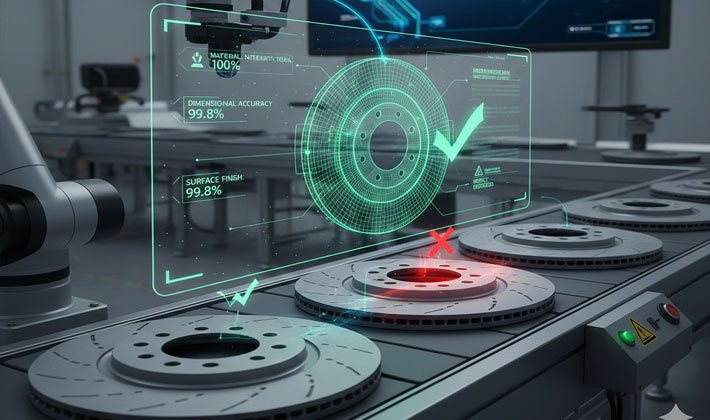
These technologies work together to deliver rapid, accurate results—making it possible to detect and address defects before they escalate into larger problems.
Implementing Automated Inspection on the Production Line
Adopting real-time quality monitoring requires thoughtful planning and the right mix of tools. Here are key steps for successful implementation:
- Define Inspection Criteria: Identify the types of defects to monitor, acceptable tolerances, and critical control points along the production process.
- Select Appropriate Technology: Choose cameras, sensors, and software that match your product characteristics and inspection needs.
- Integrate with Existing Systems: Ensure that new inspection tools communicate with manufacturing execution systems (MES) and automation equipment for seamless data flow and process control.
- Train AI Models: Collect representative images and data to train machine learning algorithms for accurate defect recognition.
- Test and Calibrate: Run pilot tests to fine-tune detection thresholds, minimize false positives/negatives, and validate system performance.
- Monitor and Maintain: Continuously monitor system accuracy, update models as needed, and perform regular maintenance to ensure ongoing reliability.
For organizations interested in broader performance tracking, integrating OEE monitoring and quality control can further boost plant efficiency and provide a holistic view of production health.
Challenges and Solutions in Real-Time Quality Control
While the advantages are clear, implementing instant defect detection is not without obstacles. Common challenges include:
- Complex Product Variability: Products with many variants or subtle differences can make it difficult for vision systems to distinguish between acceptable and defective items. Regular retraining and adaptive algorithms help address this issue.
- High-Speed Production Lines: Fast-moving products require high-speed cameras and rapid processing to avoid bottlenecks. Edge computing and optimized hardware are essential for keeping pace.
- Integration with Legacy Equipment: Older machinery may lack digital interfaces, complicating data sharing. Middleware solutions and phased upgrades can bridge the gap.
- Data Overload: Real-time systems generate vast amounts of data. Effective filtering, storage, and analytics are necessary to extract actionable insights without overwhelming staff.
Despite these hurdles, advances in AI, connectivity, and industrial automation are making real-time quality control more accessible and effective than ever before.
Data-Driven Insights and Continuous Improvement
Beyond immediate flaw detection, real-time systems provide a wealth of data for deeper analysis. Manufacturers can use this information to:
- Identify recurring defects and their root causes
- Optimize production processes and reduce cycle times
- Predict maintenance needs and prevent unplanned downtime
- Support compliance reporting and traceability requirements
For a comprehensive approach, leveraging quality KPI tracking systems enables organizations to measure plant success and drive continuous improvement initiatives.
Best Practices for Maximizing Inspection Effectiveness
To get the most out of automated inspection, consider these best practices:
- Start Small, Scale Fast: Begin with a pilot project on a single line or product, then expand as you gain confidence and refine your approach.
- Engage Cross-Functional Teams: Involve quality, engineering, IT, and operations staff to ensure solutions meet all requirements and integrate smoothly.
- Invest in Training: Equip staff with the skills to operate, maintain, and interpret results from new systems.
- Regularly Review Performance: Use data dashboards and analytics to monitor system accuracy and identify opportunities for further optimization.
- Stay Current: Keep up with advances in AI, machine vision, and industrial IoT to maintain a competitive edge.
For further reading on how continuous oversight can enhance operational resilience, see this in-depth resource on continuous monitoring in manufacturing.
FAQ: Real-Time Quality Inspection
What types of defects can real-time systems detect?
Automated inspection solutions can identify a wide range of flaws, including surface scratches, dents, color inconsistencies, dimensional errors, missing components, and even invisible defects detected by sensors (such as weight or temperature anomalies). The specific capabilities depend on the chosen technology and how it is configured for the product.
How accurate are automated quality control systems?
Modern machine vision and AI-powered systems can achieve extremely high accuracy, often surpassing manual inspection. Accuracy depends on factors like camera resolution, lighting, algorithm training, and system calibration. Regular updates and maintenance help ensure consistent performance over time.
Can real-time defect detection be integrated with existing manufacturing lines?
Yes, most solutions are designed to retrofit into existing production environments. Integration may require some customization, especially for older equipment, but middleware and modular hardware make it possible to add automated inspection without major overhauls.
Conclusion
Adopting quality defect detection in real time empowers manufacturers to deliver superior products, reduce waste, and respond instantly to issues as they arise. By leveraging machine vision, AI, and data-driven insights, organizations can transform their approach to quality assurance—ensuring every product meets the highest standards before it reaches the customer.