
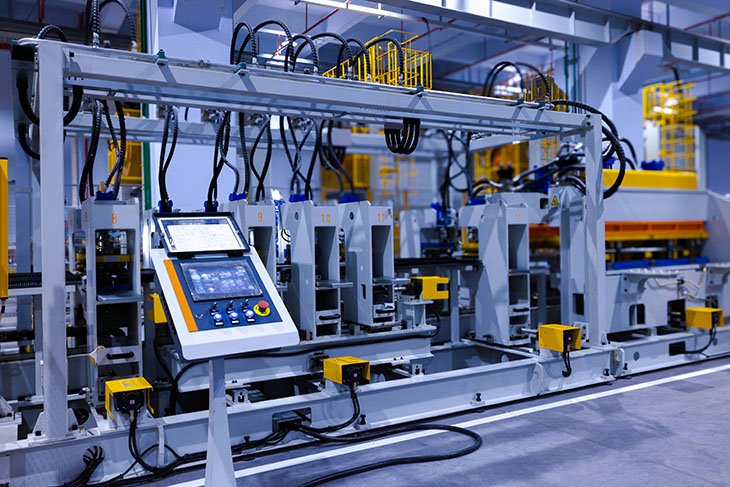
Manufacturers today face increasing pressure to deliver high-quality products at scale, minimize waste, and maintain competitive margins. Achieving these goals requires more than just skilled labor and efficient processes—it demands advanced solutions that can spot and address problems as soon as they arise. Real time defect detection technology is transforming how factories approach quality assurance, enabling faster response to issues and ultimately leading to higher production yields.
By leveraging automated inspection systems, artificial intelligence, and connected sensors, modern production lines can now identify defects at the moment they occur. This immediate feedback loop helps reduce scrap, prevent defective products from reaching customers, and optimize overall efficiency. As digital transformation accelerates across the industry, integrating these technologies is becoming essential for manufacturers seeking to maintain high standards and improve profitability.
For operations requiring exceptionally tight tolerances and continuous monitoring, solutions like precision manufacturing monitoring provide a strong foundation for integrating real-time inspection technologies. These systems work hand-in-hand with automated defect detection to ensure that every product meets exacting standards.
How Instant Defect Identification Works in Modern Manufacturing
At the core of real time defect detection technology is the ability to analyze products or components as they move through the production process. This is typically achieved using a combination of high-resolution cameras, machine vision algorithms, and sometimes additional sensors such as lasers or X-rays. As items pass inspection points, the system captures images or data, processes them in milliseconds, and flags any anomalies that deviate from predefined quality criteria.
Many modern systems employ artificial intelligence and deep learning models trained on thousands of examples of both acceptable and defective items. This enables the technology to recognize subtle variations, surface imperfections, or dimensional errors that might be missed by the human eye. When a defect is detected, the system can trigger immediate actions—such as removing the item from the line, alerting operators, or even adjusting upstream processes to prevent further issues.
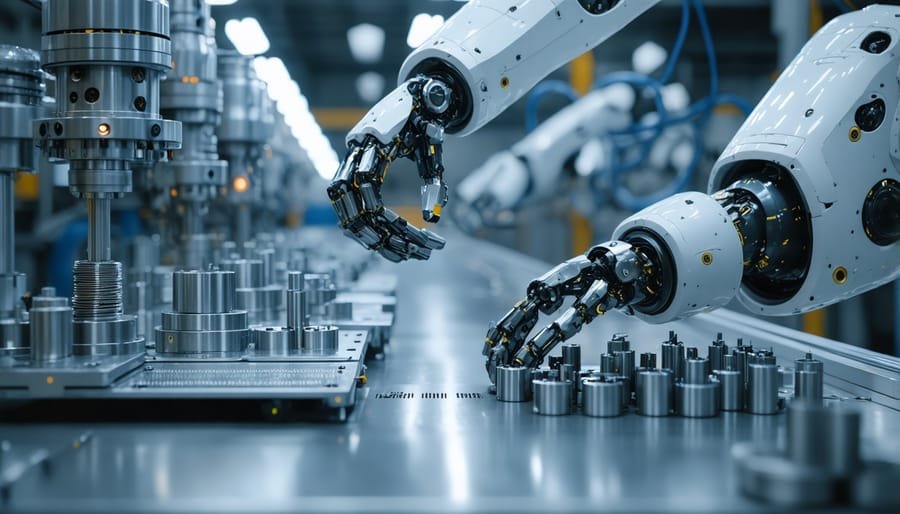
Key Benefits of Automated Inspection for Yield Improvement
Adopting real time defect detection technology brings several tangible benefits to manufacturing operations:
- Reduced Scrap and Rework: By catching defects immediately, manufacturers can prevent defective products from advancing through the line, reducing wasted materials and labor.
- Consistent Product Quality: Automated systems apply the same standards to every item, minimizing human error and ensuring uniformity.
- Faster Root Cause Analysis: Real-time data enables teams to quickly identify patterns and sources of recurring defects, allowing for rapid corrective action.
- Increased Throughput: With fewer interruptions for manual inspection or rework, production lines can operate at higher speeds.
- Data-Driven Decision Making: Detailed inspection data supports continuous improvement initiatives and helps optimize processes over time.
These advantages are especially critical in industries where compliance and traceability are paramount. For example, integrating quality compliance monitoring systems with real-time inspection helps manufacturers meet regulatory requirements and customer expectations.
Core Technologies Behind Real-Time Quality Monitoring
Several technologies work together to enable instant defect detection on the factory floor:
- Machine Vision: High-speed cameras and image processing software analyze products for surface flaws, dimensional accuracy, and assembly errors.
- Artificial Intelligence: Deep learning models learn from vast datasets to identify complex or subtle defects that traditional algorithms might miss.
- Edge Computing: Processing data locally at the inspection point reduces latency, allowing for immediate feedback and action.
- Industrial IoT Sensors: Devices such as lasers, ultrasonic sensors, and X-rays provide additional inspection capabilities for materials or features not visible to cameras.
- Automated Sorting and Removal: When a defect is detected, robotic arms or diverters can automatically remove the item, minimizing manual intervention.
The integration of these technologies enables a seamless, high-speed inspection process that keeps pace with modern production demands.

Implementation Challenges and Best Practices
While the benefits are clear, deploying real time defect detection technology is not without its challenges. Manufacturers must consider several factors to ensure successful adoption:
- System Integration: New inspection systems must work seamlessly with existing production equipment and software platforms.
- Training and Change Management: Operators and quality teams need training to interpret system outputs and respond appropriately.
- Data Management: High-speed inspection generates large volumes of data, requiring robust storage and analytics solutions.
- Customization: Inspection criteria and algorithms often need to be tailored to specific products, materials, or defect types.
- Maintenance and Calibration: Regular upkeep ensures sensors and cameras remain accurate and reliable over time.
To maximize the value of these systems, manufacturers should start with a pilot project, gather feedback from frontline staff, and iterate on the setup before scaling across multiple lines or facilities. Collaboration between engineering, IT, and quality assurance teams is essential for smooth integration and ongoing optimization.
Industry Applications and Future Trends
The adoption of real-time inspection spans a wide range of sectors, including automotive, electronics, food and beverage, pharmaceuticals, and consumer goods. Each industry has unique requirements, but the underlying goal remains the same: deliver defect-free products efficiently and reliably.
Emerging trends include the use of augmented reality in quality audits, which allows operators to visualize inspection data in real time and make informed decisions on the shop floor. Additionally, wearable AI solutions are supporting manual inspection tasks, further enhancing the capabilities of human inspectors.
Looking ahead, the convergence of AI, IoT, and robotics will continue to push the boundaries of what’s possible in automated quality control. As systems become more intelligent and connected, manufacturers will gain even greater visibility and control over their processes, paving the way for the future of autonomous quality control.
Proactive Quality Management Through Continuous Monitoring
A proactive approach to quality is essential for staying ahead in today’s competitive manufacturing landscape. By embracing continuous monitoring and instant feedback, organizations can catch issues before they escalate, reduce downtime, and protect their brand reputation.
For a deeper dive into how real-time monitoring supports proactive quality management, consider exploring this comprehensive overview of real-time monitoring for quality management. It highlights the strategic advantages of moving from reactive to proactive quality assurance, supported by advanced inspection technologies.
Frequently Asked Questions
What types of defects can real-time inspection systems detect?
These systems are capable of identifying a wide range of issues, including surface scratches, dents, color inconsistencies, dimensional inaccuracies, missing components, and assembly errors. With the integration of AI, even subtle or complex defects can be reliably detected.
How does real-time defect detection improve manufacturing yields?
By catching defects immediately, manufacturers can prevent defective products from advancing through the line, reduce the need for rework, and minimize waste. This leads to higher throughput, better use of materials, and improved overall yield.
Is it possible to integrate real-time inspection with existing quality systems?
Yes, most modern solutions are designed to integrate with existing manufacturing execution systems (MES), enterprise resource planning (ERP) platforms, and other quality management tools. This ensures a seamless flow of data and supports comprehensive quality oversight.
As the manufacturing sector continues to evolve, adopting advanced inspection solutions will be key to maintaining high standards and achieving operational excellence. Whether you’re focused on compliance, efficiency, or customer satisfaction, leveraging the latest in defect detection and quality monitoring is a strategic investment for the future.