
The manufacturing landscape is evolving rapidly, and plant managers are under increasing pressure to maximize efficiency, minimize downtime, and ensure consistent quality. Real time industrial intelligence systems have emerged as essential tools for leaders who need actionable insights from the production floor. By leveraging these platforms, managers can monitor operations, detect anomalies, and make data-driven decisions that drive productivity and profitability.
Modern factories generate vast amounts of data from sensors, machines, and quality control checkpoints. Without the right systems, this information remains siloed and underutilized. Industrial intelligence platforms transform raw data into meaningful analytics, empowering teams to respond to issues as they happen, rather than after the fact. This proactive approach is reshaping how manufacturers approach quality, maintenance, and process optimization.
For those interested in leveraging analytics for smarter teams, exploring advanced manufacturing quality analytics can provide a deeper understanding of how data-driven approaches are transforming production environments.
Key Features of Modern Plant Intelligence Platforms
Today’s real time industrial intelligence systems offer a suite of features designed to address the complex needs of manufacturing operations. These platforms go beyond simple data collection, providing real-time dashboards, predictive analytics, and automated alerts that keep managers informed and in control.
- Live Data Visualization: Intuitive dashboards present key metrics such as throughput, downtime, and quality trends, allowing for immediate assessment of plant performance.
- Automated Anomaly Detection: Advanced algorithms continuously scan for deviations from normal operating parameters, alerting teams to potential issues before they escalate.
- Integrated Quality Monitoring: Systems can track quality metrics at every stage of production, ensuring that defects are caught early and corrective actions are taken promptly.
- Predictive Maintenance: By analyzing equipment data, these platforms can forecast when machines are likely to require servicing, reducing unplanned downtime and extending asset life.
- Customizable Reporting: Automated reports can be tailored to different roles, from plant managers to quality engineers, ensuring that everyone has access to the information they need.
Benefits for Plant Managers and Operations Teams
Implementing real time industrial intelligence systems delivers tangible benefits across the manufacturing organization. The most immediate advantage is enhanced visibility into plant operations, but the impact extends much further.
- Faster Response to Issues: With real-time alerts and continuous monitoring, managers can address problems as they arise, reducing the risk of costly downtime or product recalls.
- Improved Product Quality: By tracking quality metrics in real time, teams can identify trends, root causes, and process variations, leading to higher consistency and fewer defects.
- Data-Driven Decision Making: Access to up-to-date analytics enables leaders to make informed choices about process improvements, resource allocation, and investment priorities.
- Increased Efficiency: Automated data collection and reporting free up valuable time, allowing staff to focus on strategic initiatives rather than manual data entry.
- Regulatory Compliance: Comprehensive data logs and traceability features help ensure that manufacturing processes meet industry standards and audit requirements.
For organizations seeking to monitor and improve their processes even further, reviewing next generation quality monitoring systems can provide additional insights into the latest advancements in factory analytics.
How Real-Time Analytics Drive Manufacturing Excellence
The shift toward real-time analytics is transforming how plant managers approach operational excellence. By integrating real time industrial intelligence systems with existing manufacturing execution systems (MES) and enterprise resource planning (ERP) platforms, organizations can create a unified view of their operations.
This integration allows for seamless data flow across departments, breaking down silos and enabling holistic optimization. For example, quality data captured on the shop floor can be instantly correlated with production schedules, supplier performance, and maintenance records. This level of visibility supports continuous improvement and fosters a culture of accountability.
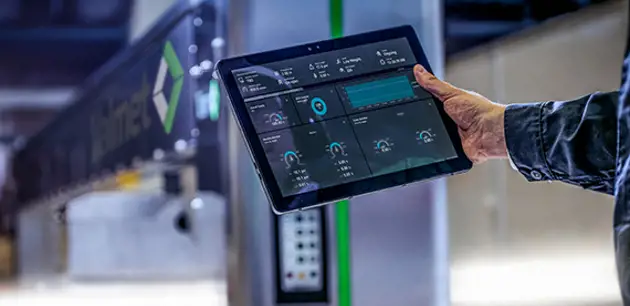
To further enhance operational oversight, many organizations are adopting manufacturing performance indicators that align with their strategic goals. These KPIs, when tracked in real time, provide early warning signals and help teams prioritize improvement efforts.
Continuous Monitoring and Proactive Quality Control
A cornerstone of effective plant management is the ability to monitor processes continuously and act on insights without delay. Real time industrial intelligence systems are built to support this need, offering tools for continuous monitoring that detect deviations, bottlenecks, or inefficiencies as soon as they occur.
Proactive quality control is another major advantage. By integrating quality checks directly into production workflows, these platforms can automatically flag anomalies, trigger corrective actions, and document the entire process for traceability. This not only reduces scrap and rework but also builds customer confidence in the final product.
For those interested in advanced detection methods, exploring variance detection in manufacturing can provide practical strategies for identifying and addressing process fluctuations early.
Implementation Considerations and Best Practices
Adopting a new intelligence platform requires careful planning and change management. Plant managers should start by defining clear objectives—whether it’s reducing downtime, improving quality, or increasing throughput. Engaging stakeholders from IT, operations, and quality assurance ensures that the system meets the needs of all users.
- Assess Data Readiness: Evaluate existing data sources, sensor infrastructure, and connectivity to ensure seamless integration with the new platform.
- Pilot and Scale: Begin with a pilot project on a single line or process, measure results, and refine workflows before scaling across the facility.
- Train Teams: Provide comprehensive training to operators, engineers, and managers to maximize adoption and value from the system.
- Review and Iterate: Regularly review analytics and user feedback to identify opportunities for further optimization and feature enhancements.
For facilities focused on maximizing efficiency, learning about OEE monitoring and quality control can offer additional guidance on integrating intelligence systems with overall equipment effectiveness strategies.
Frequently Asked Questions
What are the main challenges in deploying real-time intelligence platforms in manufacturing?
Common challenges include integrating with legacy equipment, ensuring data accuracy, and managing change across teams. Addressing these issues requires a clear implementation plan, stakeholder engagement, and investment in training and connectivity upgrades.
How do these systems improve quality control?
By providing immediate feedback on process performance and product quality, these platforms enable teams to detect and correct issues before they impact production. Automated alerts and continuous monitoring help maintain high standards and reduce the risk of defects.
Can real-time analytics help reduce operational costs?
Yes, by identifying inefficiencies, predicting equipment failures, and minimizing scrap or rework, these systems support cost reduction initiatives. Data-driven insights also enable better resource allocation and process optimization.