
Modern manufacturing faces relentless pressure to deliver higher quality, faster turnaround, and lower costs. As industries evolve, the need for real time quality assurance systems has become more urgent than ever. These advanced solutions provide continuous monitoring and instant feedback, helping manufacturers catch defects early, reduce waste, and streamline operations. By integrating real-time monitoring into production, companies can ensure consistent standards and adapt quickly to issues before they escalate.
For organizations working with tight tolerances or complex assemblies, the benefits of live quality tracking are especially significant. Solutions like precision manufacturing monitoring have shown how immediate data can transform both efficiency and reliability on the shop floor. As we explore the landscape of real-time QA, it’s clear that these systems are not just a trend—they’re becoming a necessity for competitive manufacturing.

Understanding Live Quality Assurance in Manufacturing
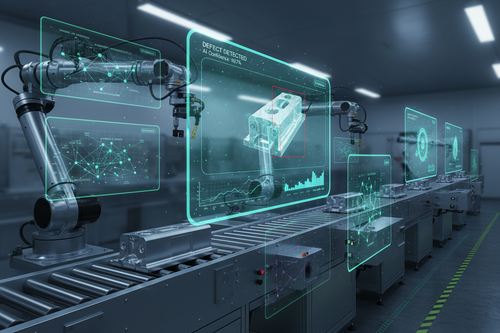
Traditional quality control methods often rely on periodic inspections or random sampling. While these approaches can catch some issues, they leave gaps that may result in undetected defects, rework, or costly recalls. In contrast, real time quality assurance systems use sensors, cameras, and software to monitor production as it happens. This means every part, assembly, or process step can be evaluated instantly, providing actionable data to operators and managers.
By leveraging continuous monitoring, manufacturers can:
- Detect and address defects immediately
- Reduce scrap and rework costs
- Maintain consistent product quality
- Shorten response times to process deviations
- Improve traceability and compliance

Key Components of Real-Time QA Solutions
Effective live quality assurance platforms typically combine several technologies to deliver comprehensive oversight. Here are the main building blocks:
- Sensors and IoT Devices: These collect data on dimensions, temperature, pressure, vibration, and other critical parameters throughout the production process.
- Machine Vision Systems: Cameras and image analysis software automatically inspect parts for defects, surface finish, or assembly errors.
- Data Analytics Engines: Advanced algorithms process incoming data in real time, flagging anomalies and predicting potential failures.
- Dashboards and Alerts: Operators receive instant notifications of issues, allowing for immediate intervention and corrective action.
- Integration with MES/ERP: Seamless connectivity ensures that quality data flows into manufacturing execution and enterprise resource planning systems for full traceability.
For electronics and high-precision industries, integrating electronics manufacturing inspection systems with real-time QA can further enhance defect detection and process control.
Benefits of Implementing Live Quality Monitoring
Adopting real time quality assurance systems delivers measurable improvements across the production lifecycle. Some of the most impactful advantages include:
- Reduced Defects and Scrap: Immediate detection of process deviations allows teams to correct issues before they result in large batches of defective products.
- Faster Root Cause Analysis: Continuous data collection enables rapid identification of the source of quality problems, minimizing downtime.
- Enhanced Compliance: Automated record-keeping supports regulatory requirements and customer audits, especially when combined with real time compliance tracking tools.
- Increased Productivity: Operators can focus on value-added tasks rather than manual inspections, while production lines run with fewer interruptions.
- Data-Driven Improvement: Historical and real-time insights support continuous improvement initiatives and smarter decision-making.
Challenges and Considerations for Adoption
While the case for live QA is strong, implementing these systems comes with its own set of challenges. Manufacturers must consider:
- Initial Investment: Upfront costs for sensors, vision systems, and integration can be significant, though ROI is often realized through reduced waste and improved yield.
- Data Overload: Without proper analytics, the sheer volume of data can overwhelm teams. Choosing solutions with intelligent filtering and actionable alerts is crucial.
- Change Management: Operators and managers may need training to adapt to new workflows and technology-driven processes.
- System Integration: Ensuring compatibility with existing MES, ERP, and legacy equipment requires careful planning and technical expertise.
Manufacturers should start with pilot projects, focusing on high-impact areas, and scale up as benefits become clear. Partnering with experienced solution providers can help navigate technical and organizational hurdles.
Industry Examples and Use Cases
Many sectors are already reaping the rewards of live QA. In automotive manufacturing, machine vision systems inspect welds and paint finishes in real time, reducing recalls and warranty claims. Electronics producers use inline inspection to catch soldering defects instantly, improving PCB reliability. Food and beverage companies rely on continuous monitoring to ensure packaging integrity and product safety.
For organizations looking to stay ahead, exploring the future of autonomous quality control can provide insights into how AI and automation will further enhance real-time QA capabilities in the coming years.
Best Practices for Maximizing Impact
To get the most from real time quality assurance systems, manufacturers should follow these best practices:
- Define Clear Objectives: Identify which quality metrics matter most and set measurable goals for improvement.
- Start Small, Scale Fast: Begin with a pilot on a single line or process, then expand based on results and lessons learned.
- Integrate with Existing Systems: Ensure real-time QA data flows seamlessly into MES, ERP, and compliance platforms.
- Empower Teams: Train staff to interpret data and act on alerts, fostering a culture of proactive quality management.
- Leverage Advanced Analytics: Use AI and machine learning to uncover patterns, predict failures, and drive continuous improvement.
For a deeper dive into how real-time monitoring transforms quality management, see this comprehensive overview of proactive quality management.
FAQ: Real-Time QA in Modern Production
How do real-time quality assurance systems differ from traditional quality control?
Traditional quality control typically relies on periodic checks or sampling, which can miss defects between inspections. Real-time QA systems provide continuous monitoring, instantly detecting deviations and enabling immediate corrective action. This leads to fewer defects, less waste, and faster response times.
What industries benefit most from live quality monitoring?
Industries with high-volume production, tight tolerances, or strict regulatory requirements—such as automotive, electronics, pharmaceuticals, and food processing—see the greatest benefits. However, any manufacturer aiming to improve consistency and reduce costs can leverage these solutions.
Is it difficult to integrate real-time QA with existing manufacturing systems?
Integration can be complex, especially with legacy equipment or fragmented IT environments. Success depends on choosing flexible solutions and working with providers experienced in MES and ERP connectivity. Many modern platforms are designed for interoperability, easing the transition.