
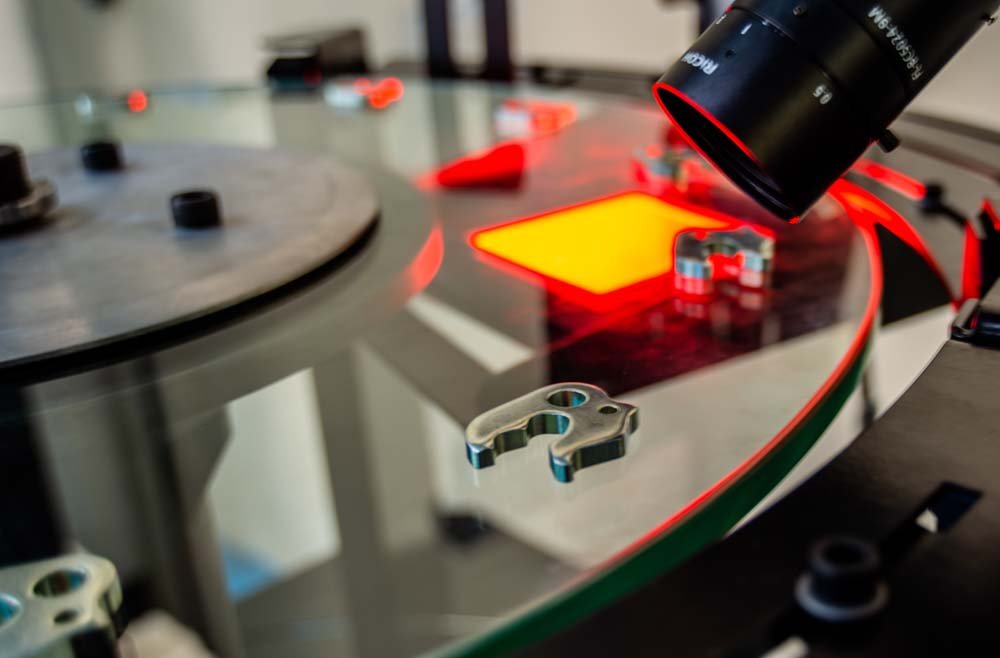
The integration of robotics and artificial intelligence (AI) in industrial inspection is rapidly redefining quality assurance across manufacturing, infrastructure, and logistics. As companies strive for higher productivity and zero-defect standards, the synergy between robotics and AI-driven inspection is emerging as a transformative force. This approach combines the precision and repeatability of robots with the adaptive intelligence of AI, resulting in smarter, faster, and more reliable inspection processes.
Today’s factories and production lines are under pressure to deliver flawless products while minimizing downtime and operational costs. Traditional manual inspection methods, while valuable, struggle to keep pace with the complexity and speed of modern production. By leveraging the combined strengths of robotics and AI, organizations can automate repetitive inspection tasks, detect subtle defects, and adapt to changing product designs with minimal human intervention.
For those interested in exploring related advancements, the article on augmented reality in quality audits provides insight into how visual data overlays are further enhancing inspection accuracy.
The Evolution of Automated Inspection
Inspection has always been a cornerstone of quality control. Early automation efforts relied on simple sensors and fixed logic, which were limited in their ability to handle variability or complex defect patterns. The arrival of machine vision systems brought improvements, but these systems often required extensive manual configuration and struggled with new or unexpected scenarios.
The recent convergence of advanced robotics and AI has changed the landscape. Robots equipped with high-resolution cameras, force sensors, and precise manipulators can access hard-to-reach areas and perform consistent, repeatable movements. When paired with AI algorithms—such as deep learning models for image recognition—these systems can learn from data, adapt to new defect types, and continuously improve their performance.
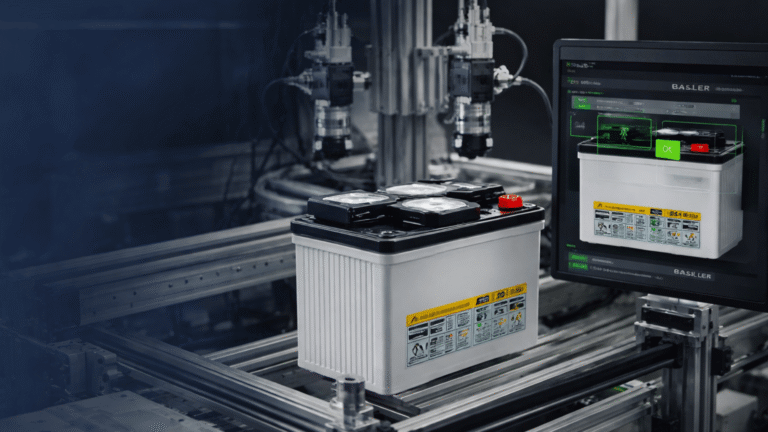
Key Benefits of Robotics and AI-Driven Inspection Synergy
The combination of robotics and AI in inspection delivers several significant advantages:
- Enhanced Accuracy: AI-powered vision systems can detect minute defects that are often missed by the human eye or traditional sensors.
- Increased Throughput: Robots can operate continuously and at high speed, reducing inspection bottlenecks and supporting 24/7 production.
- Adaptability: Machine learning algorithms enable inspection systems to adapt to new product variants or defect types without extensive reprogramming.
- Consistent Quality: Automation eliminates variability caused by operator fatigue or subjective judgment, ensuring uniform inspection standards.
- Data-Driven Insights: The integration of AI allows for real-time data collection and analysis, supporting predictive maintenance and process optimization.
These benefits are not limited to large manufacturers. Small and medium enterprises are also adopting these solutions, thanks to decreasing costs and the availability of modular, scalable platforms.
Core Technologies Powering the Synergy
Several technological advancements underpin the success of robotics and AI-based inspection:
- Deep Learning and Computer Vision: Convolutional neural networks (CNNs) and other AI models excel at analyzing images, identifying defects, and classifying products with high precision.
- Collaborative Robots (Cobots): These robots are designed to work safely alongside humans, making them ideal for flexible inspection tasks in mixed environments.
- Edge Computing: Processing data close to the source reduces latency, enabling real-time decision-making and immediate feedback during inspection.
- Sensor Fusion: Combining data from cameras, lidar, ultrasonic sensors, and force sensors provides a comprehensive view of the inspected object.
For a deeper dive into the latest vision AI architectures, the post on vision transformers for industrial use explores how next-generation models are pushing the boundaries of industrial inspection.
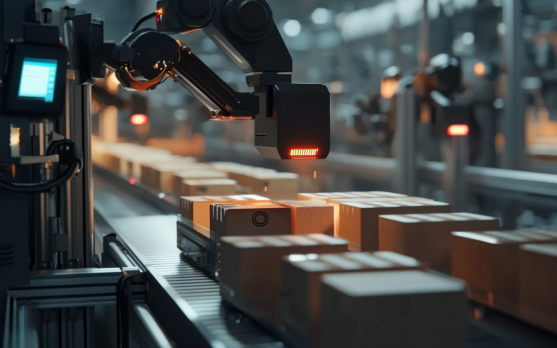
Real-World Applications and Industry Impact
The practical applications of robotic and AI-powered inspection are diverse and growing:
- Automotive Manufacturing: Automated systems inspect welds, paint finishes, and assembly quality, reducing recalls and warranty claims.
- Electronics: AI-driven cameras detect soldering defects, component misalignments, and micro-cracks on printed circuit boards.
- Pharmaceuticals: Robots verify packaging integrity and label accuracy, ensuring compliance with strict regulatory standards.
- Infrastructure: Drones equipped with AI analyze bridges, pipelines, and power lines for early signs of wear or damage.
- Food and Beverage: Vision systems sort products by size, color, and quality, minimizing waste and ensuring safety.
These examples illustrate how the synergy between robotics and AI is not just theoretical but is actively reshaping industries. Companies that embrace these technologies are seeing measurable improvements in quality, efficiency, and competitiveness.
To further understand how AI is enhancing quality control, see this in-depth analysis of AI solutions for quality control.
Challenges and Considerations in Implementation
While the benefits are clear, deploying robotics and AI for inspection comes with its own set of challenges:
- Data Requirements: Training robust AI models requires large, high-quality datasets of both normal and defective products.
- Integration Complexity: Retrofitting existing production lines with new robotics and AI systems can be complex and may require downtime.
- Change Management: Employees may need training to work alongside automated systems and to interpret AI-generated insights.
- Model Maintenance: AI models can drift over time as products or processes change, necessitating ongoing monitoring and retraining. For more on this, the article on monitoring AI model drift in factories provides practical strategies.
Addressing these challenges requires a strategic approach, including phased rollouts, investment in data infrastructure, and a focus on human-machine collaboration.
Future Trends in Automated Inspection
The future of inspection will be shaped by continued advances in both robotics and AI. Some emerging trends include:
- Self-Optimizing Systems: Inspection platforms that automatically adjust parameters based on real-time feedback and production changes.
- Cloud-Based Analytics: Centralized data platforms that aggregate inspection results from multiple sites for global quality insights.
- Wearable AI: Augmenting manual inspectors with AI-powered wearables, as discussed in wearable AI for manual inspection support, to boost productivity and accuracy.
- Greater Interoperability: Open standards and modular architectures that make it easier to integrate new sensors, robots, and AI models.
As these trends mature, the line between manual and automated inspection will blur, leading to hybrid systems that leverage the strengths of both humans and machines.
FAQ: Robotics and AI-Driven Inspection in Practice
How do robotics and AI work together in inspection tasks?
Robots provide the physical platform for precise, repeatable movements, while AI algorithms analyze sensor data—such as images or force readings—to detect defects, classify products, and make real-time decisions. This combination enables automated systems to handle complex inspection scenarios that would be difficult or impossible with traditional methods.
What industries benefit most from this synergy?
Industries with high-volume production, strict quality requirements, or challenging inspection environments see the greatest benefits. This includes automotive, electronics, pharmaceuticals, food and beverage, and infrastructure maintenance. However, the technology is increasingly accessible to smaller manufacturers as well.
What are the main barriers to adopting robotics and AI for inspection?
Key barriers include the need for large, labeled datasets to train AI models, the complexity of integrating new systems with legacy equipment, and the ongoing requirement to monitor and update AI models as products and processes evolve. Companies can overcome these challenges by starting with pilot projects, investing in data infrastructure, and fostering a culture of continuous learning.
Conclusion
The convergence of robotics and AI is setting a new benchmark for industrial inspection. By combining the strengths of both technologies, organizations can achieve higher accuracy, efficiency, and adaptability in their quality control processes. As the technology matures and becomes more accessible, its adoption is expected to accelerate across industries, driving a new era of intelligent automation and operational excellence.