
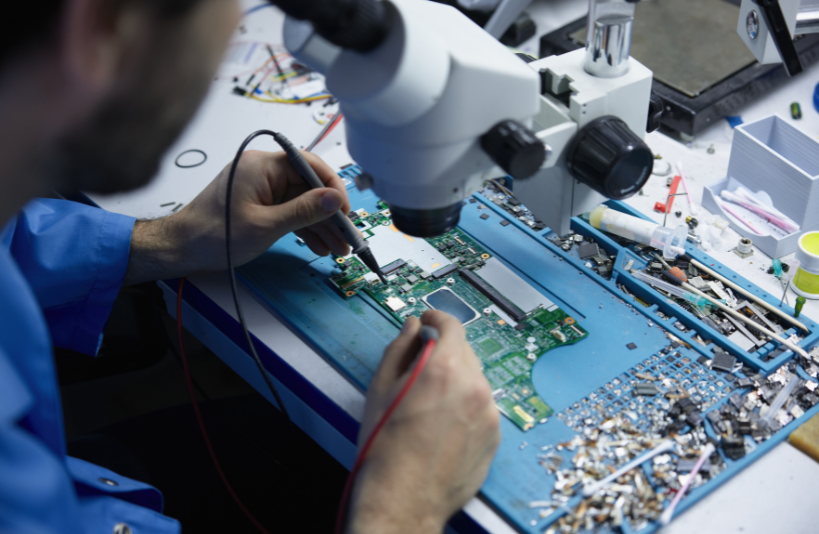
Modern manufacturing and production environments demand ever-higher standards for product consistency, safety, and efficiency. As industries strive to minimize defects and meet regulatory requirements, neural networks have emerged as a transformative technology in the field of quality control and assurance. These advanced machine learning models are redefining how organizations detect anomalies, automate inspections, and maintain high product standards at scale.
In this article, we explore how neural networks are being applied to quality processes, the tangible benefits they offer, and practical considerations for their implementation. For those interested in related innovations, our discussion also connects to topics like augmented reality in quality audits, which further enhance data visualization and decision-making in industrial settings.
Understanding Neural Networks in Quality Processes
Neural networks are computational models inspired by the human brain, capable of learning complex patterns from large datasets. In the context of quality control, these models excel at analyzing visual, sensor, and process data to identify defects, predict failures, and optimize inspection routines. Their ability to process high-dimensional information makes them especially valuable for tasks that are challenging or time-consuming for human inspectors.
Unlike traditional rule-based systems, neural networks adapt over time, learning from new examples and improving their accuracy. This adaptability is crucial in dynamic manufacturing environments where product designs, materials, and defect types may evolve.
Key Applications of Neural Networks for Quality Assurance
Neural networks are deployed across a range of quality-related tasks, including:
- Automated Visual Inspection: Deep learning models can analyze images from cameras or scanners to detect surface defects, missing components, or assembly errors in real time.
- Predictive Maintenance: By monitoring sensor data, neural networks can forecast equipment failures, enabling proactive maintenance and reducing unplanned downtime.
- Process Optimization: These models help identify process deviations and recommend adjustments to maintain optimal production conditions.
- Classification and Sorting: Neural networks classify products based on quality grades, ensuring only items that meet standards proceed to the next stage.
Benefits of Using Neural Networks in Quality Control
Integrating neural networks into quality assurance workflows offers several advantages:
- Increased Accuracy: Deep learning models can detect subtle defects that may be missed by human inspectors or traditional algorithms.
- Speed and Scalability: Automated inspections run continuously and process thousands of items per hour, supporting high-volume production lines.
- Consistency: Neural networks apply the same criteria to every product, eliminating subjective judgment and reducing variability.
- Cost Efficiency: Early detection of defects and process deviations reduces waste, rework, and warranty claims.
- Continuous Improvement: As more data is collected, models can be retrained to adapt to new defect types or process changes, supporting ongoing optimization.
Challenges and Considerations for Implementation
While the advantages are significant, deploying neural networks for quality assurance requires careful planning:
- Data Requirements: Effective training demands large, high-quality datasets that represent the full range of normal and defective conditions.
- Model Drift: Over time, changes in production processes or materials can cause models to become less accurate. Ongoing monitoring and retraining are essential. For more on this topic, see our article on monitoring ai model drift in factories.
- Integration with Existing Systems: Neural networks must be seamlessly integrated with manufacturing execution systems (MES), automation equipment, and reporting tools.
- Expertise and Maintenance: Developing, deploying, and maintaining these models requires specialized skills in data science, machine learning, and domain knowledge.
Real-World Examples and Industry Adoption
Industries such as automotive, electronics, pharmaceuticals, and food processing are increasingly adopting neural network-based quality systems. For example, automotive manufacturers use deep learning to inspect welds, paint finishes, and component assemblies, while electronics firms deploy these models to spot soldering defects on circuit boards. The pharmaceutical sector leverages neural networks to monitor tablet coatings and packaging integrity, ensuring compliance with stringent safety standards.
According to industry insights on AI-driven quality control in manufacturing, organizations report significant reductions in defect rates and faster response times to quality issues after implementing neural network solutions.
Integrating Neural Networks with Other Quality Technologies
The synergy between neural networks and other digital tools is driving a new era of smart manufacturing. For instance, combining deep learning with wearable ai for manual inspection support enables frontline workers to receive real-time feedback and guidance during inspections. Similarly, integrating neural networks with vision transformers for industrial use enhances the ability to analyze complex visual data, further improving defect detection rates.
Advanced quality systems may also leverage hyperparameter tuning for inspection models to optimize neural network performance, ensuring models are tailored to specific production environments and quality goals.
Best Practices for Deploying Neural Networks in Quality Assurance
To maximize the value of neural networks in quality control, organizations should consider the following best practices:
- Start with a Clear Use Case: Identify specific quality challenges where neural networks can deliver measurable improvements, such as reducing false positives or automating labor-intensive inspections.
- Invest in Data Infrastructure: Ensure robust data collection, labeling, and storage systems to support model training and validation.
- Collaborate Across Teams: Involve quality engineers, data scientists, and IT professionals in the design and deployment process.
- Pilot and Scale: Begin with pilot projects to validate model performance, then scale successful solutions across production lines or facilities.
- Monitor and Update: Continuously monitor model accuracy and retrain as needed to address changing conditions or new defect types.
Frequently Asked Questions
How do neural networks improve defect detection compared to traditional methods?
Neural networks excel at identifying subtle or complex defects by learning from large datasets of labeled examples. Unlike rule-based systems, they can adapt to new defect types and variations, resulting in higher accuracy and fewer missed issues.
What types of data are needed to train neural networks for quality assurance?
Training effective models requires diverse, high-quality data, including images, sensor readings, and process parameters. The data should represent both normal and defective conditions to ensure robust model performance.
Are neural network-based quality systems suitable for all industries?
While neural networks offer significant benefits across many sectors, their suitability depends on the availability of data, the complexity of inspection tasks, and the ability to integrate with existing production systems. Industries with high-volume, repetitive inspection needs often see the greatest returns.