

The rapid evolution of semiconductor manufacturing has made quality assurance more critical than ever. As chip plants scale up production to meet global demand, maintaining consistently high standards is essential for both product reliability and operational efficiency. Semiconductor quality monitoring systems have emerged as indispensable tools, enabling real-time oversight, early detection of process deviations, and data-driven decision-making across the entire fabrication process.
In this article, we’ll explore the core components, benefits, and implementation strategies for these advanced monitoring solutions. We’ll also highlight how integrating such systems supports smarter teams and more resilient manufacturing operations. For those interested in leveraging analytics to further enhance quality, you can learn more about advanced manufacturing quality analytics and how they empower teams to make smarter, data-backed decisions.
Understanding Quality Monitoring in Semiconductor Manufacturing
Quality control in chip fabrication is a complex, multi-stage process. From wafer preparation to packaging, each step involves precise parameters and tight tolerances. Semiconductor quality monitoring systems are designed to track these variables in real time, ensuring that deviations are quickly identified and addressed before they can impact yield or reliability.
These systems typically integrate sensors, machine vision, data analytics, and automated reporting. By continuously collecting and analyzing process data, they help manufacturers maintain compliance with industry standards and customer specifications.

Key Components of Modern Monitoring Solutions
Today’s monitoring platforms for semiconductor plants combine several advanced technologies to deliver comprehensive oversight:
- Sensor Networks: Deployed throughout the production line, sensors monitor temperature, humidity, pressure, chemical concentrations, and other critical parameters.
- Machine Vision: High-resolution cameras and image processing algorithms inspect wafers and components for defects, alignment issues, and contamination.
- Data Analytics Engines: These modules aggregate and analyze data from multiple sources, identifying patterns, trends, and anomalies that could indicate quality drift.
- Automated Alerts and Reporting: When deviations are detected, the system can trigger alerts, generate reports, and even initiate corrective actions automatically.
By integrating these components, manufacturers can achieve a holistic view of their operations and respond proactively to emerging issues.
Benefits of Implementing Semiconductor Quality Monitoring Systems
Adopting robust monitoring solutions brings several tangible advantages to chip plants:
- Early Defect Detection: Real-time monitoring allows for immediate identification of process anomalies, reducing the risk of defective batches.
- Yield Improvement: By minimizing process variation and catching issues early, plants can maximize usable output and reduce waste.
- Regulatory Compliance: Automated data collection and reporting simplify audits and help ensure adherence to industry standards.
- Cost Reduction: Preventing defects and optimizing processes lowers rework, scrap, and downtime costs.
- Continuous Process Optimization: Ongoing data analysis supports continuous improvement initiatives and helps teams refine manufacturing strategies.
For plants aiming to stay ahead of quality challenges, integrating next generation quality monitoring systems can provide a significant competitive edge. More information on these advancements can be found in resources like next generation quality monitoring systems.
Integrating Quality Monitoring with Factory Analytics
The value of monitoring systems is amplified when combined with broader analytics platforms. By feeding real-time quality data into manufacturing analytics tools, organizations can:
- Correlate quality trends with production variables and equipment performance
- Predict potential issues before they escalate
- Optimize scheduling, maintenance, and resource allocation
- Drive continuous improvement with actionable insights
For example, integrating with variance detection in manufacturing solutions enables teams to spot subtle shifts in process behavior and address them proactively.
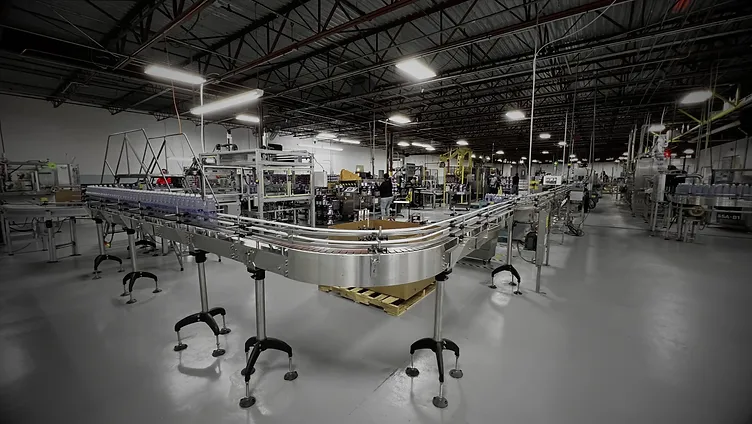
Continuous Controls and Quality Drift Detection
Maintaining consistent quality over time is a major challenge in semiconductor fabrication. Subtle changes in equipment calibration, material properties, or environmental conditions can lead to gradual quality drift. To address this, many manufacturers are adopting continuous controls monitoring and quality drift detection systems.
These solutions automatically track key process indicators and compare them against historical baselines. When deviations are detected, they can trigger alerts or even halt production to prevent widespread defects. For a deeper dive into how these systems work, see quality drift detection systems.
For organizations seeking to understand the broader concept of ongoing controls, this guide to continuous controls monitoring provides a comprehensive overview of the principles and benefits.
Best Practices for Deploying Monitoring Solutions in Chip Plants
To maximize the value of quality monitoring, semiconductor manufacturers should consider the following best practices:
- Define Key Quality Metrics: Identify the most critical parameters for your specific processes and products.
- Ensure Data Integrity: Use reliable sensors and maintain calibration schedules to guarantee accurate data collection.
- Integrate with Existing Systems: Connect monitoring platforms with MES, ERP, and analytics tools for seamless data flow.
- Train Staff: Equip teams with the knowledge to interpret data, respond to alerts, and perform root cause analysis.
- Review and Refine: Regularly assess system performance and update monitoring strategies as processes evolve.
By following these guidelines, chip plants can build a robust quality assurance framework that supports both current production needs and future growth.
Measuring Success: Performance Indicators for Quality Monitoring
To evaluate the effectiveness of monitoring initiatives, it’s important to track relevant manufacturing performance indicators. Common metrics include:
- Yield rates and defect density
- Process capability indices (Cp, Cpk)
- Mean time to detect and correct issues
- Downtime related to quality events
- Audit and compliance scores
Regularly reviewing these indicators helps organizations fine-tune their monitoring strategies and demonstrate ROI to stakeholders.
FAQ
What are the main challenges in implementing quality monitoring for semiconductor plants?
Key challenges include integrating new monitoring systems with legacy equipment, managing large volumes of process data, ensuring sensor accuracy, and training staff to respond effectively to alerts. Overcoming these hurdles requires careful planning, investment in reliable technology, and ongoing workforce development.
How do monitoring systems help reduce production costs?
By detecting defects and process deviations early, these systems minimize scrap, rework, and downtime. Automated data collection and analysis also streamline compliance and reporting, reducing manual labor and audit preparation costs.
Can quality monitoring systems be customized for different chip manufacturing processes?
Yes, modern platforms are highly configurable. Manufacturers can tailor sensor deployments, analytics algorithms, and alert thresholds to match the unique requirements of their products and processes, ensuring optimal performance and flexibility.