
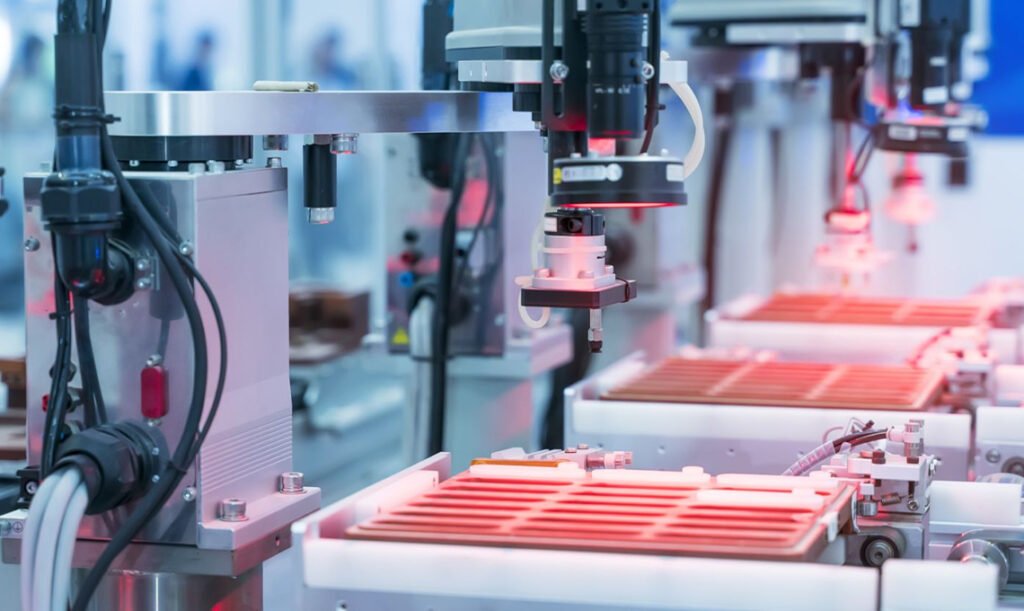
Modern manufacturing and industrial processes demand ever-increasing levels of precision and reliability. As products become more complex and customer expectations rise, ensuring consistent quality is essential for competitiveness and compliance. Sensor fusion in quality monitoring has emerged as a powerful approach to achieving highly accurate, real-time data for quality assurance. By integrating data from multiple sensor types, organizations can detect defects earlier, reduce false positives, and make more informed decisions throughout production.
This article explores how combining different sensing technologies enhances quality control, the benefits and challenges of sensor fusion, and practical applications across industries. For manufacturers seeking to maintain tight tolerances and minimize waste, leveraging advanced monitoring strategies is no longer optional—it’s a necessity. To learn more about related solutions, see our guide to precision manufacturing monitoring for insights on achieving stringent quality standards.
Understanding Sensor Fusion for Quality Assurance
At its core, sensor fusion in quality monitoring refers to the process of integrating data from multiple sensor sources to produce a more comprehensive and reliable assessment of product quality. Instead of relying on a single sensor type, such as a camera or a temperature probe, sensor fusion combines inputs from various devices—like vision systems, laser scanners, force sensors, and acoustic detectors—to create a holistic view of the manufacturing process.
This integration allows for cross-verification of measurements, improved anomaly detection, and a reduction in measurement uncertainty. For example, a vision system might detect surface defects, while a laser sensor measures dimensional accuracy. By fusing these data streams, manufacturers gain a deeper understanding of both visible and hidden flaws.
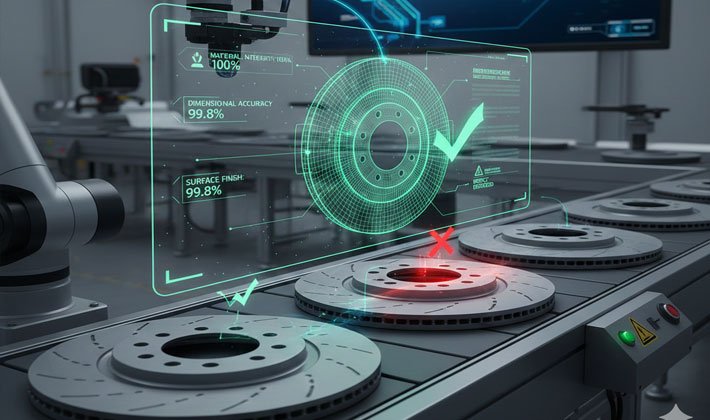
Key Benefits of Integrated Sensing in Quality Control
Adopting a multi-sensor approach in quality monitoring delivers several significant advantages:
- Higher Accuracy: By cross-referencing data from different sources, the system can filter out noise and reduce errors, resulting in more precise measurements.
- Early Defect Detection: Sensor fusion enables earlier identification of process deviations or product flaws, allowing for timely intervention and reduced scrap rates.
- Comprehensive Data: Combining modalities (e.g., visual, thermal, acoustic) provides a richer dataset, supporting deeper analysis and root cause identification.
- Reduced False Positives: When multiple sensors agree on an anomaly, confidence in the detection increases, minimizing unnecessary rework or downtime.
- Real-Time Monitoring: Integrated systems can provide immediate feedback, supporting adaptive process control and continuous improvement.
These benefits are especially critical in sectors like automotive, electronics, and pharmaceuticals, where quality lapses can have costly or even dangerous consequences. For electronics manufacturers, advanced electronics manufacturing inspection systems leverage sensor fusion to ensure PCB integrity and component placement accuracy.
How Sensor Fusion Enhances Data Reliability
One of the main challenges in quality monitoring is dealing with sensor limitations. Each sensor type has strengths and weaknesses: cameras may struggle in low light, while ultrasonic sensors can be affected by material density. By fusing data from complementary sensors, the system compensates for individual shortcomings and delivers more robust, reliable information.
For instance, in injection molding, a combination of thermal imaging, force sensors, and visual inspection can detect both surface and internal defects. This layered approach ensures that subtle issues are not overlooked, and that the data used for process control is trustworthy.
Applications Across Manufacturing and Industry
Sensor fusion is being adopted in a wide range of quality monitoring scenarios:
- Automotive: Multi-sensor systems inspect welds, measure part dimensions, and verify paint quality, ensuring safety and compliance.
- Electronics: Vision, X-ray, and electrical testing are combined to check solder joints and component placement on PCBs.
- Pharmaceuticals: Sensors monitor tablet weight, coating thickness, and packaging integrity, supporting regulatory requirements.
- Food & Beverage: Optical and chemical sensors detect contaminants and verify labeling accuracy.
- Metalworking: Laser, ultrasonic, and force sensors assess surface finish, hardness, and structural integrity.
By tailoring sensor combinations to specific processes, manufacturers can address unique quality challenges and achieve higher levels of process control.
Challenges and Considerations for Implementation
While the advantages of multi-sensor integration are clear, there are important considerations when deploying these systems:
- Data Integration: Merging data from different sensor types requires sophisticated algorithms and synchronization to ensure accuracy.
- System Complexity: More sensors mean more points of potential failure and increased maintenance requirements.
- Cost: Initial investment in hardware and software can be significant, though often offset by long-term quality gains.
- Calibration: Ensuring all sensors remain properly calibrated is essential to maintain data reliability.
- Scalability: As production lines evolve, sensor systems must be adaptable to new products and processes.
Organizations should work with experienced integrators and leverage proven platforms to minimize risks and maximize return on investment. For those interested in broader compliance and monitoring strategies, our overview of quality compliance monitoring systems offers further insights.
Future Trends in Quality Monitoring with Sensor Fusion
The future of quality monitoring is closely tied to advances in artificial intelligence, machine learning, and Industrial Internet of Things (IIoT) technologies. As sensor networks become more interconnected, real-time analytics and predictive maintenance will become standard features of advanced quality systems.
Emerging trends include:
- Edge Computing: Processing sensor data locally for faster decision-making and reduced latency.
- AI-Driven Analysis: Machine learning algorithms that can identify complex patterns and predict defects before they occur.
- Cloud Integration: Centralized data storage and analysis for multi-site operations and benchmarking.
- Automated Compliance: Continuous monitoring and reporting to meet regulatory requirements and customer expectations. For a deeper dive, see this resource on continuous monitoring in manufacturing environments.
As these technologies mature, sensor fusion will play an even greater role in delivering actionable, accurate data for quality assurance.
Best Practices for Deploying Multi-Sensor Monitoring
To successfully implement sensor fusion for quality control, consider the following best practices:
- Assess Process Needs: Identify critical quality parameters and select sensor types that best address those requirements.
- Plan for Integration: Ensure that hardware, software, and data protocols are compatible and scalable.
- Validate System Performance: Regularly test and calibrate sensors to maintain accuracy and reliability.
- Train Personnel: Equip staff with the knowledge to interpret fused data and respond to alerts appropriately.
- Monitor and Improve: Use analytics to identify trends, optimize processes, and drive continuous improvement.
For organizations aiming to stay ahead of the curve, exploring the future of autonomous quality control can provide valuable perspective on upcoming innovations in this space.
FAQ
What is sensor fusion in the context of quality monitoring?
Sensor fusion in quality monitoring refers to the integration of data from multiple sensor types—such as cameras, lasers, and force sensors—to provide a more accurate and comprehensive assessment of product quality than any single sensor could achieve alone.
How does sensor fusion improve defect detection?
By combining data from different sensing modalities, sensor fusion increases the reliability of defect detection. It reduces false positives and negatives by cross-verifying anomalies, ensuring that only genuine issues are flagged for intervention.
What industries benefit most from multi-sensor quality monitoring?
Industries with stringent quality requirements—such as automotive, electronics, pharmaceuticals, and food processing—gain the most from multi-sensor monitoring. These sectors rely on precise, real-time data to maintain compliance and ensure product safety.
Is implementing sensor fusion expensive?
While there can be significant upfront costs for hardware and integration, the long-term benefits—such as reduced waste, improved product quality, and fewer recalls—often justify the investment. Careful planning and selection of scalable solutions can help manage costs.