

The manufacturing landscape is undergoing a rapid transformation, driven by the integration of digital technologies and automation. Smart factory inspection innovations are at the forefront of this evolution, enabling factories to achieve higher levels of quality, efficiency, and agility. As new solutions emerge, manufacturers are rethinking how they monitor, analyze, and optimize their production lines.
From advanced analytics to AI-powered vision systems, the latest developments are helping teams detect defects earlier, reduce waste, and maintain consistent product quality. These technologies are not only improving operational performance but also supporting compliance and traceability in increasingly complex supply chains. For organizations aiming to stay competitive, understanding and adopting these inspection advancements is becoming essential.
One of the most impactful trends is the use of advanced manufacturing quality analytics to empower teams with real-time insights. By leveraging data from connected sensors and inspection devices, manufacturers can quickly identify process deviations and take corrective action before issues escalate. This proactive approach is key to minimizing downtime and maximizing yield.
AI-Powered Visual Inspection Systems
Artificial intelligence is revolutionizing quality control by enabling machines to “see” and interpret product features with remarkable accuracy. Modern visual inspection systems use deep learning algorithms to analyze images from high-resolution cameras, detecting subtle defects that might escape human inspectors. These solutions can adapt to new products and variations, making them highly valuable for dynamic manufacturing environments.

These AI-driven systems are particularly effective for high-speed production lines, where manual inspection is impractical. They can be trained to recognize a wide range of anomalies, from surface scratches to dimensional inconsistencies. As a result, manufacturers benefit from faster feedback loops, higher product quality, and reduced labor costs.
For organizations seeking to enhance their inspection capabilities, integrating smart factory inspection innovations like AI vision is a strategic move. This technology not only boosts accuracy but also generates valuable data for continuous improvement initiatives.
Continuous Monitoring and Predictive Quality Control
Another major advancement is the shift from periodic sampling to continuous, in-line monitoring. By embedding sensors and inspection devices throughout the production process, manufacturers can collect comprehensive data on every unit produced. This enables real-time detection of quality issues and supports predictive maintenance strategies.
Continuous monitoring solutions often leverage machine learning to analyze trends and patterns in production data. By identifying early warning signs of equipment wear or process drift, these systems help prevent costly defects and unplanned downtime. For a deeper dive into how this works, explore continuous monitoring for manufacturing environments.
The benefits of this approach extend beyond defect detection. With a robust data infrastructure, teams can implement advanced analytics to optimize process parameters, reduce variability, and ensure consistent output. This is especially important in industries with stringent regulatory requirements, where traceability and documentation are critical.
Automation and Robotics in Inspection Processes
Automation is playing a pivotal role in modernizing inspection workflows. Collaborative robots (cobots) and automated guided vehicles (AGVs) are increasingly being deployed to handle repetitive inspection tasks, freeing up human operators for higher-value activities. These robotic systems can be equipped with a variety of sensors and cameras, enabling them to perform complex inspections with speed and precision.
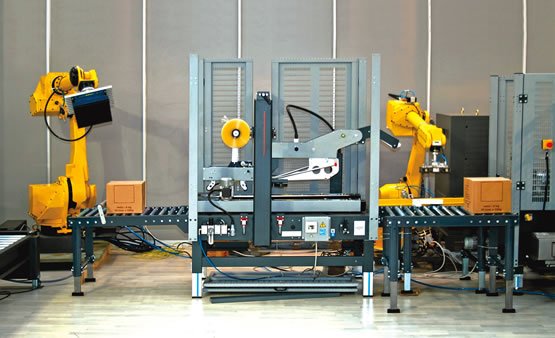
The integration of robotics with inspection technologies allows for flexible, scalable solutions that can adapt to changing production needs. For example, robots can be programmed to inspect different product types or switch between inspection points as required. This versatility is essential for manufacturers facing shorter product life cycles and increasing product complexity.
By embracing automation, companies can achieve greater consistency, reduce human error, and accelerate time-to-market. These benefits are driving widespread adoption of robotic inspection systems across a range of industries.
Data-Driven Quality Management and Analytics
The move toward data-driven decision-making is transforming how manufacturers approach quality management. By centralizing inspection data and integrating it with other production systems, organizations gain a holistic view of their operations. This enables more informed decisions, faster root cause analysis, and targeted process improvements.
Solutions that offer next generation quality monitoring systems are helping manufacturers unlock the full potential of their data. These platforms provide intuitive dashboards, customizable alerts, and advanced reporting tools to support proactive quality management.
In addition, data-driven approaches facilitate compliance with industry standards and customer requirements. With comprehensive records of inspection results and process changes, manufacturers can demonstrate due diligence and respond quickly to audits or customer inquiries.
Early Detection of Variance and Quality Drift
Spotting deviations and trends early is crucial for maintaining high standards in production. Technologies focused on variance detection in manufacturing and quality drift detection systems are gaining traction as essential tools for smart factories.
These solutions use statistical analysis and machine learning to monitor process stability and highlight unusual patterns. By catching small shifts before they become major problems, manufacturers can implement corrective actions promptly, minimizing rework and scrap.
Early detection also supports continuous improvement efforts, enabling teams to fine-tune processes and maintain optimal performance over time.
Reducing Downtime with Smart Quality Strategies
Unplanned downtime can have a significant impact on productivity and profitability. By leveraging downtime reduction through quality monitoring, manufacturers can identify root causes of stoppages and implement effective countermeasures.
Smart inspection systems contribute to this goal by providing real-time alerts and actionable insights. When integrated with maintenance and production planning tools, these systems enable a more coordinated response to emerging issues, reducing the duration and frequency of downtime events.
Ultimately, the combination of advanced inspection technologies and data-driven strategies empowers manufacturers to achieve higher levels of operational resilience and efficiency.
FAQ: Smart Factory Inspection Technology
What are the main benefits of adopting smart inspection solutions in manufacturing?
Implementing these advanced systems leads to improved product quality, faster defect detection, reduced waste, and enhanced traceability. They also support compliance with industry standards and help manufacturers respond more quickly to changing customer demands.
How does artificial intelligence improve the inspection process?
AI-powered inspection tools can analyze images and sensor data with greater accuracy and speed than manual methods. They are capable of detecting subtle defects, adapting to new product variations, and providing continuous feedback for process optimization.
Can small and medium-sized manufacturers benefit from these innovations?
Yes, many of the latest inspection technologies are scalable and can be tailored to the needs of smaller operations. Cloud-based platforms, modular sensors, and user-friendly analytics tools make it easier for businesses of all sizes to implement and benefit from smart inspection solutions.