
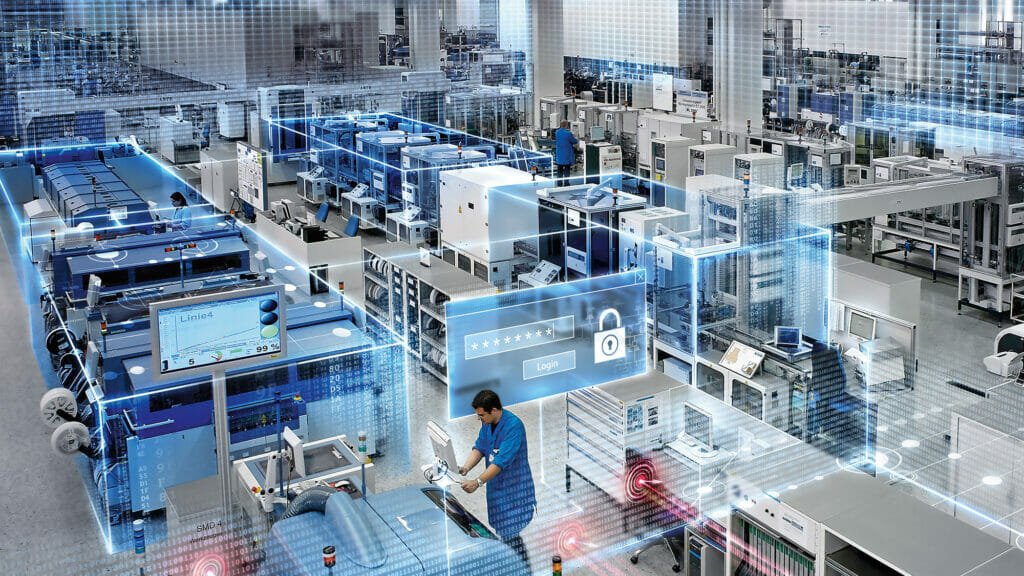
Maximizing how effectively existing resources are used is a top priority for manufacturing leaders. Efficient use of equipment, labor, and materials not only boosts output but also reduces costs and increases competitiveness. Yet, many factories struggle with underused machines, idle time, and bottlenecks that limit throughput. Understanding ways to improve capacity utilization can help manufacturers unlock hidden potential and achieve more with what they already have.
This article explores practical strategies for increasing the productive use of assets, from process optimization to digital transformation. We’ll also highlight how modern technologies and data-driven approaches can support these efforts. For those interested in how artificial intelligence is transforming industrial operations, you may find our guide on vision transformers for industrial use particularly relevant.
Understanding Capacity Utilization in Industrial Settings
Before diving into specific methods, it’s important to define what capacity utilization means in a manufacturing context. In simple terms, it measures the percentage of potential output that is actually achieved over a given period. High utilization indicates that resources are being used efficiently, while low utilization suggests there is room for improvement.
Factors affecting this metric include machine downtime, changeovers, maintenance, supply chain disruptions, and workforce availability. By identifying and addressing these issues, manufacturers can increase throughput without necessarily investing in new equipment or facilities.
Process Optimization: Streamlining Workflows
One of the most effective ways to improve capacity utilization is to optimize existing processes. This involves analyzing workflows to identify bottlenecks, unnecessary steps, and inefficiencies. Lean manufacturing principles, such as value stream mapping and continuous improvement (Kaizen), can help teams pinpoint where time and resources are being wasted.
- Reduce changeover times: Implementing SMED (Single-Minute Exchange of Die) techniques can minimize downtime during equipment setup or product switches.
- Standardize procedures: Clear, standardized work instructions ensure consistency and reduce errors that can lead to rework or delays.
- Balance production lines: Adjusting workloads across stations helps prevent bottlenecks and idle time.

Leveraging Technology and Automation
Digital tools and automation technologies are transforming how manufacturers manage their operations. By integrating Manufacturing Execution Systems (MES), IoT sensors, and real-time analytics, companies can monitor equipment performance, predict maintenance needs, and quickly respond to issues that impact utilization.
- Predictive maintenance: Using data from sensors to anticipate equipment failures reduces unplanned downtime and keeps machines running at optimal levels.
- Automated scheduling: Advanced planning systems can dynamically allocate resources based on demand, minimizing idle periods.
- Data-driven decision making: Real-time dashboards provide visibility into production status, enabling quick adjustments to maintain high utilization rates.
For a deeper dive into how digital transformation can support manufacturing efficiency, explore this comprehensive guide to production efficiency strategies.
Workforce Engagement and Training
Employees play a critical role in maximizing resource use. Investing in training and fostering a culture of continuous improvement can lead to significant gains in productivity. When operators understand the importance of their tasks and are empowered to suggest improvements, small changes can add up to big results.
- Cross-training: Teaching workers multiple roles increases flexibility and helps cover absences or surges in demand without slowing production.
- Incentivize suggestions: Rewarding employees for ideas that boost efficiency encourages a proactive approach to problem-solving.
- Ongoing education: Regular training on new technologies and best practices keeps skills sharp and reduces errors.
Maintenance Strategies for Higher Utilization
Equipment reliability is essential for keeping production lines moving. Adopting proactive maintenance approaches, such as Total Productive Maintenance (TPM), can help reduce breakdowns and extend the life of assets.
- Scheduled inspections: Routine checks catch issues before they lead to costly downtime.
- Operator-led maintenance: Training staff to perform basic upkeep increases ownership and responsiveness.
- Condition monitoring: Using sensors to track vibration, temperature, and other indicators helps predict when intervention is needed.
Inventory and Supply Chain Coordination
Even the most efficient production line can be hampered by material shortages or supply chain disruptions. Coordinating closely with suppliers and optimizing inventory levels ensures that resources are available when needed, preventing stoppages and underutilization.
- Just-in-time inventory: Reducing excess stock lowers costs and frees up space, but requires reliable supplier relationships.
- Supplier integration: Sharing production schedules with key partners helps align deliveries with actual needs.
- Buffer stocks for critical items: Maintaining small reserves of essential materials can prevent unexpected delays.
Continuous Improvement and Data Analysis
Sustained gains in resource usage require a commitment to ongoing measurement and refinement. By regularly reviewing key performance indicators (KPIs) such as Overall Equipment Effectiveness (OEE), manufacturers can spot trends, set benchmarks, and drive further improvements.
- Root cause analysis: Investigating recurring issues helps prevent future disruptions.
- Benchmarking: Comparing performance across lines or plants identifies best practices worth replicating.
- Feedback loops: Sharing results with teams fosters accountability and motivation to reach new targets.
For those looking to address data challenges in industrial environments, our article on overcoming data scarcity in inspection offers practical tips for leveraging limited datasets to drive improvement.
FAQ: Common Questions About Maximizing Manufacturing Capacity
What are the main causes of low capacity utilization in factories?
The most common factors include unplanned equipment downtime, inefficient scheduling, supply chain disruptions, lengthy changeovers, and a lack of skilled labor. Addressing these issues through process optimization, technology adoption, and workforce development can significantly boost utilization rates.
How does predictive maintenance help increase resource usage?
Predictive maintenance uses real-time data from sensors to anticipate equipment failures before they occur. By scheduling repairs proactively, manufacturers can reduce unexpected downtime and keep machines running efficiently, leading to higher overall output.
Can small manufacturers benefit from digital transformation?
Absolutely. Even modest investments in digital tools—such as cloud-based scheduling, simple IoT sensors, or basic analytics dashboards—can provide valuable insights and help smaller operations identify and address inefficiencies quickly.
How often should capacity utilization be reviewed?
Regular monitoring is essential. Many manufacturers track utilization daily or weekly, using KPIs like OEE to spot trends and address issues promptly. Continuous review supports ongoing improvement and helps sustain high performance over time.