
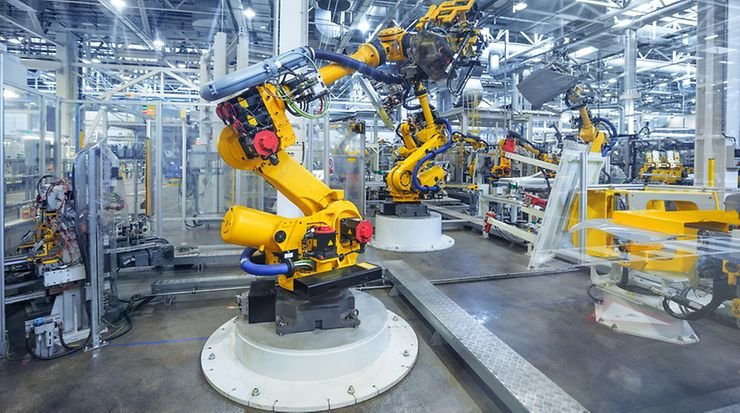
Boosting machine efficiency is a top priority for manufacturers aiming to stay competitive, reduce costs, and increase output quality. As factories evolve with new technologies and production demands, finding effective strategies to optimize equipment performance becomes essential. This article explores practical steps, modern technologies, and proven methods to help factory managers and engineers enhance the productivity and reliability of their machinery.
From preventive maintenance to leveraging digital tools, there are numerous approaches to streamline operations and minimize downtime. Integrating innovations such as automation, data analytics, and smart monitoring can further drive improvements. For those interested in advanced inspection and quality control, exploring augmented reality in quality audits can provide additional insights into visualizing and acting on real-time data.
Understanding the Importance of Equipment Optimization
Improving the performance of machines in a factory setting is not just about increasing speed. It’s about ensuring consistent output, reducing waste, and maintaining product quality. Efficient machines use less energy, require fewer repairs, and enable smoother workflows. This leads to lower operational costs and higher customer satisfaction. By focusing on ways to improve machine efficiency, factories can achieve sustainable growth and adapt to changing market demands.
Preventive Maintenance: The Foundation of Reliable Operations
One of the most effective strategies for maximizing equipment performance is a robust preventive maintenance program. Regular inspections, timely lubrication, and scheduled part replacements help prevent unexpected breakdowns. Maintenance teams should:
- Develop and follow a detailed maintenance schedule for each machine.
- Use checklists to ensure all critical components are inspected.
- Monitor wear and tear to anticipate potential failures.
- Train operators to recognize early warning signs of malfunction.
By addressing issues before they escalate, factories can reduce downtime and extend the lifespan of their assets.
Leveraging Digital Tools for Enhanced Machine Efficiency
Modern factories are increasingly adopting digital solutions to monitor and optimize machine performance. Technologies such as IoT sensors, cloud-based analytics, and AI-driven diagnostics provide real-time data on equipment health and productivity. These tools enable:
- Continuous monitoring of key performance indicators (KPIs).
- Automated alerts for abnormal conditions or deviations.
- Data-driven decision-making for maintenance and process improvements.
- Remote troubleshooting and support.

Implementing these digital solutions can significantly improve response times, reduce manual errors, and optimize resource allocation.
Automation and Robotics: Streamlining Production Lines
Integrating automation and robotics is a powerful way to enhance machine productivity. Automated systems can handle repetitive, hazardous, or high-precision tasks with greater speed and accuracy than manual labor. Key benefits include:
- Consistent product quality and reduced variability.
- Lower risk of workplace injuries.
- Ability to operate 24/7 with minimal supervision.
- Faster adaptation to new product lines or process changes.
For factories looking to stay ahead, exploring vision transformers for industrial use can further enhance machine vision and quality inspection capabilities.

Employee Training and Engagement
Even the most advanced machines require skilled operators and technicians to run efficiently. Ongoing training ensures staff are familiar with the latest procedures, safety protocols, and troubleshooting techniques. Engaged employees are more likely to:
- Identify and report inefficiencies or potential hazards.
- Follow best practices for machine operation and care.
- Contribute ideas for process improvements.
- Take ownership of equipment performance.
Investing in workforce development is a key factor in sustaining high levels of machine productivity.
Continuous Improvement and Lean Manufacturing Principles
Applying lean manufacturing methodologies helps factories eliminate waste, streamline workflows, and maximize value. Techniques such as 5S, Kaizen, and value stream mapping can reveal hidden inefficiencies and opportunities for improvement. Regularly reviewing processes and encouraging feedback from all levels of the organization fosters a culture of continuous improvement.
For more insights on maintaining accuracy in manufacturing environments, consider learning about monitoring AI model drift in factories as part of your digital transformation strategy.
Data-Driven Decision Making for Machine Optimization
Collecting and analyzing production data allows managers to make informed decisions about equipment upgrades, process changes, and resource allocation. Key steps include:
- Implementing systems to capture real-time and historical machine data.
- Identifying patterns that indicate bottlenecks or recurring issues.
- Benchmarking performance against industry standards.
- Setting measurable goals for efficiency improvements.
Utilizing data not only helps in troubleshooting but also supports long-term strategic planning.
Reducing Downtime and Improving Reliability
Unplanned downtime is a major obstacle to efficient factory operations. To minimize disruptions:
- Adopt predictive maintenance using machine learning and sensor data.
- Keep critical spare parts in inventory to enable quick repairs.
- Standardize procedures for troubleshooting and escalation.
- Regularly review and update maintenance protocols.
Reducing downtime directly translates to higher throughput and better utilization of assets.
Energy Management and Sustainability
Improving machine efficiency also means optimizing energy usage. Factories can:
- Monitor energy consumption at the machine and process level.
- Upgrade to energy-efficient motors and drives.
- Implement automatic shutdowns during idle periods.
- Use renewable energy sources where feasible.
These steps not only cut costs but also support environmental sustainability goals.
Advanced Inspection and Quality Control
Ensuring that machines produce consistent, defect-free products is essential for customer satisfaction and regulatory compliance. Advanced inspection systems, including AI-powered vision and wearable technologies, can detect issues in real time. To learn more about how digital helpers can support manual inspection, explore wearable ai for manual inspection support.
Further Reading and Resources
For a deeper dive into production optimization, the article what is production efficiency and how to increase it provides additional strategies and best practices for manufacturers.
Frequently Asked Questions
What are the most effective ways to reduce machine downtime in factories?
Implementing preventive and predictive maintenance, training staff thoroughly, and keeping essential spare parts on hand are some of the most effective strategies. Using real-time monitoring tools can also help identify issues before they cause significant downtime.
How can digital technologies improve machine efficiency?
Digital tools such as IoT sensors, cloud analytics, and AI diagnostics enable continuous monitoring, early fault detection, and data-driven decision-making. These technologies help optimize maintenance schedules, reduce manual errors, and improve overall equipment effectiveness.
Why is employee training important for machine productivity?
Well-trained employees are better equipped to operate machinery safely, perform routine maintenance, and identify inefficiencies. Ongoing training ensures staff stay updated on best practices and new technologies, directly impacting machine reliability and output quality.