
In manufacturing and supply chain management, minimizing the time it takes to turn raw materials into finished products is a constant challenge. Shorter lead times can improve customer satisfaction, reduce costs, and give companies a competitive edge. Yet, many organizations struggle to identify the most practical and sustainable methods for streamlining their operations. This article explores proven strategies and actionable steps for reducing production lead time in modern manufacturing environments.
Before diving into specific tactics, it’s important to recognize that optimizing lead time is rarely about a single fix. Instead, it involves a combination of process improvements, technology adoption, and ongoing measurement. For a deeper understanding of how equipment performance impacts efficiency, see overall equipment effectiveness explained.
Understanding the Factors That Influence Lead Time
Lead time in production is shaped by a variety of factors, including material sourcing, process efficiency, equipment reliability, and workforce coordination. Bottlenecks in any of these areas can cause delays and increase costs. By analyzing each stage of the workflow, manufacturers can pinpoint where improvements will have the greatest impact.
- Material availability: Delays in receiving raw materials or components can halt production.
- Process inefficiencies: Outdated workflows, manual tasks, or unnecessary steps slow down throughput.
- Equipment downtime: Unplanned breakdowns or maintenance issues extend production cycles.
- Quality issues: Rework and scrap add time and waste to the process.
- Communication gaps: Poor coordination between departments or teams can cause misunderstandings and delays.
Streamlining Workflow to Minimize Delays
One of the most effective ways to reduce production lead time is to optimize the workflow from start to finish. This involves mapping out each step, identifying redundancies, and eliminating unnecessary handoffs. Lean manufacturing principles, such as value stream mapping and continuous improvement, are especially useful for this purpose.
Consider reviewing your factory layout and production flow. Small changes—like rearranging workstations or introducing standardized work procedures—can have a significant effect on throughput. For more insights, check out how to improve factory layout and how to improve production flow.

Leveraging Technology for Faster Production Cycles
Digital transformation and automation are reshaping manufacturing. By integrating smart technologies, companies can accelerate processes, reduce manual errors, and gain real-time visibility into production status. Examples include:
- Automated scheduling: Software tools can optimize production schedules and adjust to changes instantly.
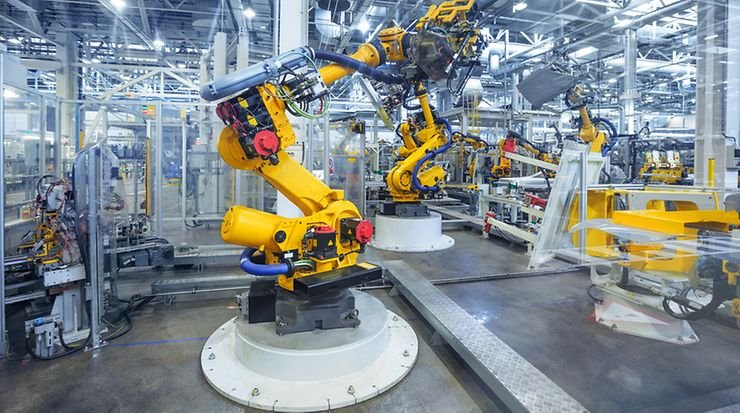
- Robotics and automation: Machines handle repetitive or hazardous tasks more quickly and consistently.
- IoT sensors: Connected devices monitor equipment health and predict maintenance needs, reducing downtime.
- Data analytics: Insights from production data help identify bottlenecks and opportunities for improvement.

Investing in the right technology can deliver rapid returns by shortening cycle times and improving consistency. For example, predictive maintenance systems can help avoid unexpected breakdowns, while automated material handling reduces wait times between process steps.
Improving Supplier Relationships and Inventory Management
Suppliers play a crucial role in determining how quickly production can begin. Building strong relationships with reliable vendors, negotiating shorter lead times, and maintaining clear communication are all essential. In addition, adopting just-in-time (JIT) inventory practices can help minimize excess stock and reduce storage costs, but it requires dependable suppliers and accurate demand forecasting.
Consider implementing vendor-managed inventory (VMI) or consignment stock arrangements to ensure critical materials are always available when needed. Regularly reviewing supplier performance and diversifying sources can also help mitigate risks associated with supply chain disruptions.
Enhancing Equipment Maintenance and Uptime
Equipment reliability is a key factor in reducing production delays. A proactive approach to maintenance—such as preventive or predictive strategies—can keep machines running smoothly and minimize unplanned downtime. For practical guidance on this topic, explore how to improve machine maintenance planning.
Key steps include:
- Scheduling regular inspections and servicing based on usage data
- Training operators to identify early warning signs of equipment issues
- Using digital tools to track maintenance history and upcoming tasks
By keeping assets in optimal condition, manufacturers can maintain a steady production pace and avoid costly interruptions.
Fostering a Culture of Continuous Improvement
Sustainable reductions in lead time require ongoing commitment from all levels of the organization. Encourage employees to suggest improvements, participate in cross-functional teams, and share best practices. Regularly review performance metrics and celebrate progress to keep momentum high.
Techniques such as Kaizen events, Six Sigma projects, and daily stand-up meetings can help maintain focus on efficiency. Over time, these efforts build a culture where everyone is invested in making processes faster and more reliable.
Measuring Success and Adjusting Strategies
Tracking the right metrics is essential for understanding the impact of your efforts. Common indicators include cycle time, on-time delivery rate, and inventory turnover. Use these data points to identify trends, set targets, and adjust strategies as needed.
For a comprehensive look at how to evaluate and improve efficiency, refer to this guide to production efficiency and improvement methods.
Remember, what works for one organization may not be suitable for another. Regularly reassess your processes, stay informed about new technologies, and be willing to adapt as your business evolves.
FAQ: Reducing Lead Time in Manufacturing
What is the most effective first step to shorten production cycles?
The best starting point is to map out your current workflow and identify bottlenecks. By understanding where delays occur, you can prioritize improvements that will have the greatest impact on overall lead time.
How can automation help minimize delays in manufacturing?
Automation speeds up repetitive tasks, reduces manual errors, and allows for real-time adjustments to production schedules. This leads to faster throughput and more consistent results, especially when combined with data-driven decision-making.
Are there risks to reducing inventory as a way to cut lead time?
Lowering inventory can reduce storage costs and waste, but it also increases reliance on suppliers. To avoid stockouts, it’s important to have reliable vendors, accurate demand forecasts, and contingency plans for supply chain disruptions.