
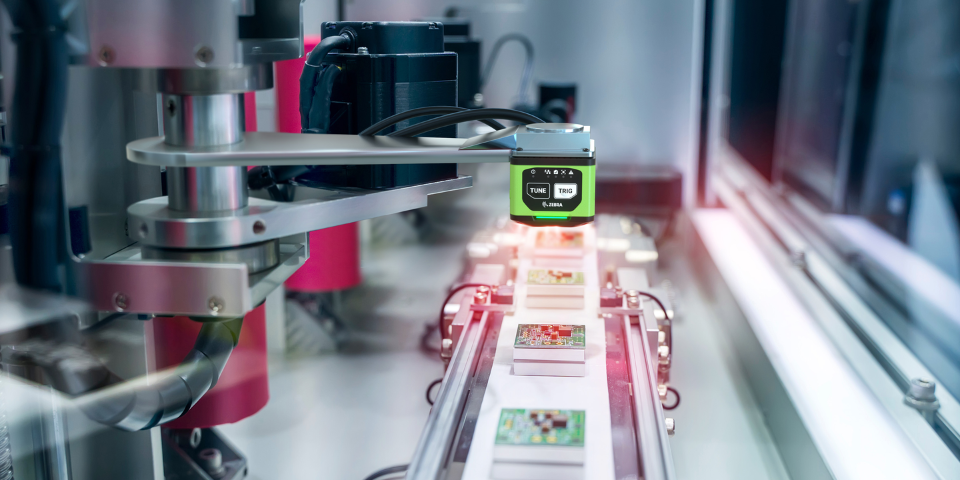
In modern manufacturing, maintaining consistent product quality is essential for customer satisfaction, regulatory compliance, and operational efficiency. As factories become more automated and data-driven, the ability to quickly identify and address defects or irregularities has become a top priority. This is where anomaly detection in manufacturing comes into play, leveraging advanced technologies to spot deviations from the norm before they escalate into costly problems.
By integrating automated inspection systems and artificial intelligence, manufacturers can detect subtle issues that might escape traditional quality checks. This proactive approach not only reduces waste and rework but also supports continuous improvement across production lines. For organizations seeking to maximize efficiency and minimize defects, understanding how anomaly detection works—and its role in quality control—is increasingly important.
For a deeper dive into how automated visual inspection is transforming quality assurance, explore the benefits of automated surface inspection and see how these solutions are being implemented in real-world environments.
Understanding Anomaly Detection in Industrial Settings
At its core, anomaly detection in manufacturing refers to the process of identifying data points, patterns, or events that deviate significantly from expected behavior. In production environments, these anomalies often signal defects, process errors, equipment malfunctions, or other quality issues that could impact product integrity.
Traditional quality control methods rely on sampling, manual inspection, or predefined rules to catch defects. However, these approaches can miss rare or subtle anomalies, especially as production volumes and complexity increase. Automated anomaly detection systems, powered by machine learning and computer vision, can analyze vast amounts of data in real time, flagging even minor deviations that might otherwise go unnoticed.
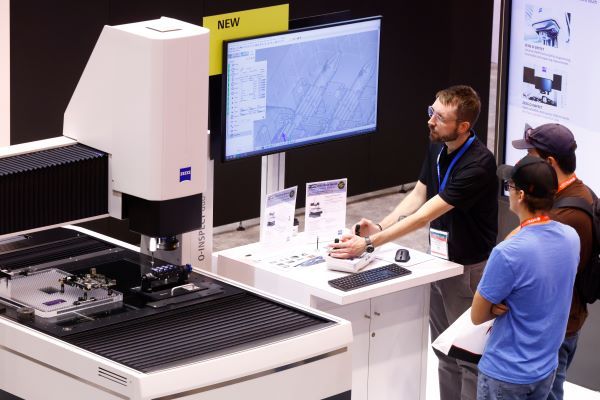
How Does Automated Anomaly Detection Work?
Automated anomaly detection typically involves several key steps:
- Data Collection: Sensors, cameras, and industrial IoT devices gather data from production lines, including images, temperature readings, vibration signals, and more.
- Data Preprocessing: Raw data is cleaned and normalized to ensure consistency and accuracy for analysis.
- Model Training: Machine learning algorithms are trained on historical data to recognize patterns associated with normal and abnormal conditions.
- Real-Time Monitoring: The trained models continuously monitor incoming data, comparing it to learned patterns to detect outliers or unexpected events.
- Alerting and Action: When an anomaly is detected, the system can trigger alerts, halt production, or initiate further inspection, depending on the severity and context.
These systems can be tailored to specific manufacturing processes, from surface inspection of materials to monitoring equipment health. For example, AI-powered vision systems can spot tiny scratches or color variations on products, while predictive maintenance algorithms can identify unusual vibration patterns in machinery.
Applications of Anomaly Detection in Quality Control
The use of anomaly detection for manufacturing quality control spans a wide range of industries and applications. Some common use cases include:
- Surface Defect Detection: Identifying cracks, dents, or discoloration on parts and finished goods.
- Process Monitoring: Detecting deviations in temperature, pressure, or other process parameters that could lead to defects.
- Assembly Verification: Ensuring components are correctly assembled and positioned.
- Predictive Maintenance: Spotting early signs of equipment wear or failure to prevent unplanned downtime.
- Packaging Inspection: Verifying labels, seals, and packaging integrity to meet regulatory and customer requirements.
By automating these tasks, manufacturers can achieve higher inspection accuracy, reduce human error, and respond to quality issues faster. This is especially valuable in high-speed or high-volume production environments where manual inspection would be impractical.
Benefits of Implementing Anomaly Detection in Manufacturing
Integrating anomaly detection into quality control processes offers several significant advantages:
- Improved Product Quality: Early detection of defects helps maintain consistent standards and reduces the risk of faulty products reaching customers.
- Cost Savings: Catching anomalies early minimizes scrap, rework, and warranty claims, leading to lower operational costs.
- Increased Efficiency: Automated systems can inspect products faster and more thoroughly than manual methods, supporting higher throughput.
- Data-Driven Insights: Continuous monitoring generates valuable data for process optimization and root cause analysis.
- Regulatory Compliance: Reliable detection and documentation of quality issues help meet industry standards and regulatory requirements.
For a comprehensive overview of how AI-driven inspection systems compare to traditional approaches, see the guide on ai vs traditional machine vision.

Challenges and Considerations for Manufacturers
While the advantages are clear, implementing anomaly detection in production environments does come with challenges. Some of the most common considerations include:
- Data Quality: Accurate detection relies on high-quality, representative data. Poor sensor calibration or inconsistent data can lead to false positives or missed anomalies.
- Model Training: Machine learning models require sufficient historical data to distinguish between normal variations and true anomalies.
- Integration: Seamlessly connecting detection systems with existing manufacturing execution systems (MES) and workflows can be complex.
- Scalability: As production lines evolve, detection models must adapt to new products, processes, or equipment.
- Human Oversight: Automated systems should complement—not replace—skilled quality engineers, who provide context and judgment for ambiguous cases.
Manufacturers should also consider how to best train AI models for defect recognition. For step-by-step guidance, refer to the resource on how to train ai for defect recognition.
Emerging Trends and Future Directions
The field of anomaly detection in manufacturing is rapidly evolving. Recent advances include the use of deep learning for more nuanced pattern recognition, cloud-based analytics for centralized monitoring, and edge computing for real-time decision-making on the factory floor.
As AI and machine vision technologies mature, manufacturers can expect even greater accuracy, faster response times, and broader applicability across diverse production scenarios. According to industry insights on AI quality control in manufacturing, these innovations are poised to transform quality management by enabling predictive, adaptive, and highly scalable inspection processes.
For organizations looking to enhance their production capabilities, understanding the role of anomaly detection in manufacturing is a key step toward building more resilient and efficient operations. Those interested in scaling their production while maintaining high quality may also benefit from learning how to improve production scalability with digital solutions.
Frequently Asked Questions
How does anomaly detection differ from traditional quality control methods?
Traditional quality control often relies on manual inspection or rule-based checks, which can miss subtle or rare defects. Anomaly detection uses machine learning and real-time data analysis to identify deviations from normal patterns, enabling faster and more accurate detection of issues that traditional methods might overlook.
What types of data are used for anomaly detection in manufacturing?
Data sources can include images from cameras, sensor readings (such as temperature, pressure, or vibration), production logs, and even audio signals. The choice of data depends on the specific process and the types of anomalies being targeted.
Can anomaly detection systems adapt to changes in production lines?
Yes, modern systems can be retrained or updated as new products, materials, or processes are introduced. Continuous learning and model adaptation are important for maintaining high detection accuracy as manufacturing environments evolve.