
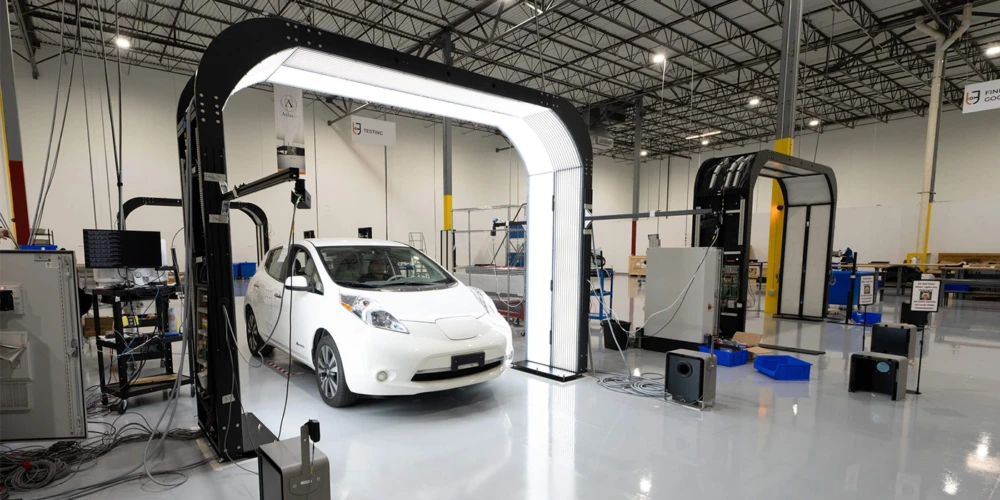
Real-time defect detection has become a cornerstone of modern manufacturing and quality assurance. By leveraging advanced technologies, organizations can identify flaws as soon as they occur, minimizing waste, reducing costs, and ensuring that only products meeting strict standards reach customers. This approach is transforming traditional inspection processes, making them faster, more accurate, and highly scalable.
In this article, we’ll explore the fundamentals of real-time defect detection, its advantages, and how it integrates into industrial workflows. We’ll also look at the technologies that make it possible and practical considerations for implementation. For those interested in related innovations, you may also want to read about augmented reality in quality audits, which is enhancing data visualization and decision-making in inspection environments.
Understanding the Basics of Real-Time Defect Detection
At its core, real-time defect detection refers to the immediate identification of anomalies, flaws, or inconsistencies in products or components during the manufacturing or inspection process. Unlike traditional quality control methods, which often rely on periodic sampling or post-production checks, this approach uses automated systems to monitor every item as it moves through production lines.
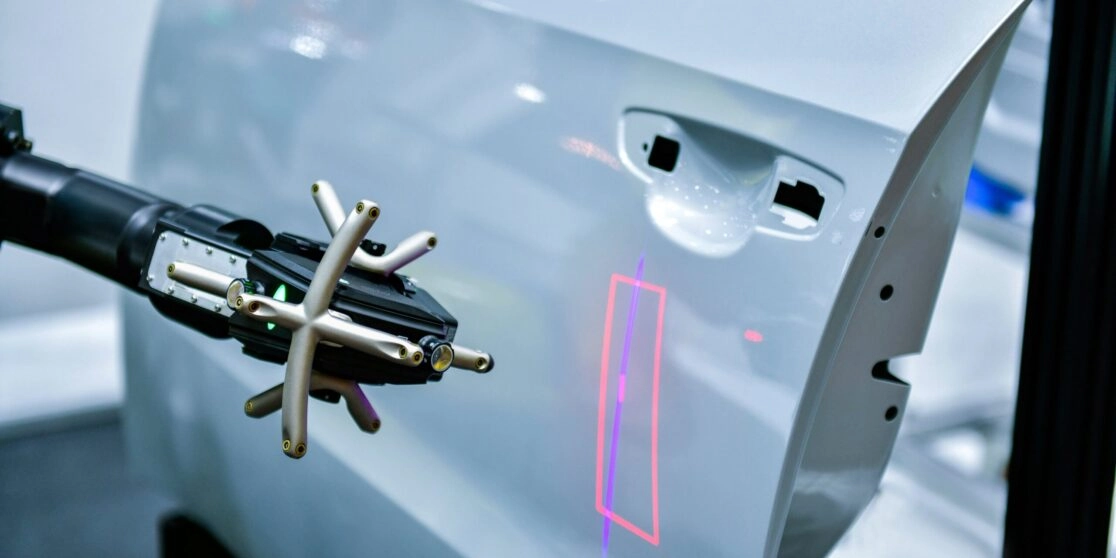
These systems typically combine high-speed cameras, sensors, and artificial intelligence (AI) algorithms to analyze images or data streams in milliseconds. When a defect is detected, the system can trigger alerts, remove faulty items, or even adjust machinery parameters to prevent further issues.
Key Technologies Powering Automated Inspection
Several technologies enable the rapid and accurate identification of defects in real time:
- Machine Vision: High-resolution cameras and optical sensors capture detailed images or videos of products as they move along the line.
- Artificial Intelligence: Deep learning and computer vision algorithms process visual data, identifying subtle defects that may be missed by human inspectors.
- Edge Computing: Processing data at the source (on the production floor) allows for instant analysis and response, reducing latency compared to cloud-based systems.
- IoT Integration: Sensors and connected devices share data across the factory, enabling coordinated responses and predictive maintenance.
For those interested in the latest advancements, vision transformers for industrial use are pushing the boundaries of what AI can achieve in visual inspection tasks.
Benefits of Implementing Real-Time Defect Detection
Adopting immediate defect identification systems offers a wide range of advantages for manufacturers and quality control teams:
- Increased Efficiency: Automated systems can inspect products much faster than manual methods, keeping up with high-speed production lines without sacrificing accuracy.
- Reduced Waste: By catching defects early, companies can prevent defective products from advancing through the process, saving materials and energy.
- Consistent Quality: Continuous monitoring ensures that every item meets defined standards, reducing the risk of recalls or customer complaints.
- Lower Operational Costs: Automation reduces the need for large inspection teams and minimizes costly rework or scrap.
- Data-Driven Insights: Collecting and analyzing inspection data helps identify trends, optimize processes, and support continuous improvement initiatives.
For a deeper dive into how AI solutions are enhancing quality control, see this comprehensive overview of AI-powered quality control.
How Real-Time Defect Detection Fits Into Industrial Workflows
Integrating immediate inspection systems into production lines requires careful planning and alignment with existing processes. Below is a typical workflow for implementing such solutions:
- Data Acquisition: Cameras and sensors capture images or measurements of each product as it passes through the inspection zone.
- Data Processing: AI models analyze the incoming data, comparing it to reference standards or detecting anomalies.
- Decision Making: If a defect is found, the system classifies its type and severity, then determines the appropriate action (e.g., reject, rework, or alert operator).
- Action Execution: Automated mechanisms remove or flag defective items, and data is logged for traceability and analysis.
- Feedback Loop: Insights from inspection results can be used to adjust upstream processes, improving overall quality and efficiency.
Challenges and Considerations in Deployment
While the advantages are clear, there are important factors to consider when deploying real-time defect detection systems:
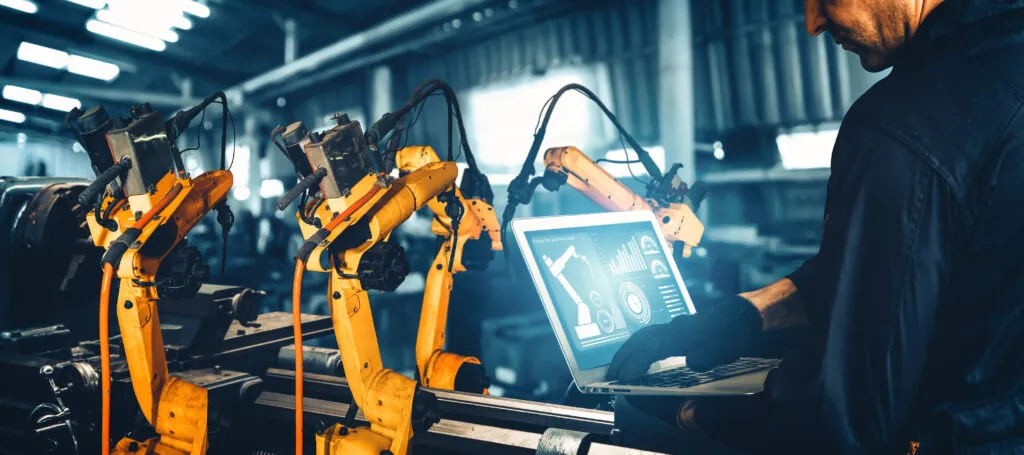
- Initial Investment: Setting up cameras, sensors, and AI infrastructure can require significant upfront costs.
- Model Training: AI algorithms need large, high-quality datasets to learn what constitutes a defect versus an acceptable variation.
- Integration Complexity: Ensuring seamless communication between inspection systems and existing manufacturing equipment can be challenging.
- Maintenance and Updates: Regular calibration and updating of AI models are necessary to maintain high accuracy, especially as products or processes change.
- Handling Edge Cases: Some defects may be rare or ambiguous, requiring human review or advanced model tuning. For more on this, see hyperparameter tuning for inspection models.
Industries Benefiting from Immediate Defect Identification
A wide range of sectors are adopting these advanced inspection systems, including:
- Automotive: Ensuring safety-critical components are free from flaws.
- Electronics: Detecting micro-cracks, soldering issues, or misalignments in circuit boards.
- Pharmaceuticals: Verifying packaging integrity and labeling accuracy.
- Food and Beverage: Monitoring for contamination, packaging errors, or foreign objects.
- Textiles: Identifying weaving defects or color inconsistencies in fabrics.
As more industries embrace automation, the demand for robust and adaptable defect detection solutions continues to grow.
Best Practices for Successful Implementation
To maximize the benefits of real-time inspection, organizations should follow these best practices:
- Define Clear Quality Standards: Establish detailed criteria for what constitutes a defect to guide both AI training and human oversight.
- Start with Pilot Projects: Test the system on a limited scale to validate performance and identify integration challenges.
- Continuously Monitor Performance: Track false positives/negatives and retrain models as needed to maintain accuracy. For ongoing monitoring, see monitoring AI model drift in factories.
- Engage Cross-Functional Teams: Involve quality, IT, and production staff to ensure smooth deployment and operation.
- Plan for Scalability: Choose solutions that can adapt to new products, lines, or changing production volumes.
FAQ: Real-Time Defect Detection in Practice
How does real-time defect detection differ from traditional inspection methods?
Traditional inspection often relies on manual checks or random sampling, which can miss defects or delay their discovery. Real-time systems use automated technologies to inspect every item instantly, catching issues as soon as they arise and enabling immediate corrective action.
What types of defects can these systems identify?
Advanced inspection solutions can detect a wide range of issues, including surface scratches, dimensional inaccuracies, color deviations, missing components, and more. The specific capabilities depend on the sensors and AI models used.
Is it possible to integrate real-time defect detection with existing manufacturing equipment?
Yes, many modern solutions are designed for compatibility with various production environments. Integration may require custom interfaces or middleware, but most vendors provide support for connecting with common manufacturing execution systems (MES) and programmable logic controllers (PLCs).