

The renewable energy sector is rapidly evolving, and wind power stands at the forefront of this transformation. As wind farms scale up, the need for reliable, efficient, and cost-effective maintenance grows. One of the most significant advancements in this area is wind turbine blade AI inspection, which leverages artificial intelligence to detect defects, optimize performance, and extend the lifespan of turbine blades. This article explores how AI-driven inspection technologies are changing the landscape of wind energy maintenance, the benefits they offer, and best practices for implementation.
Routine inspections are essential for wind turbines, as even minor blade defects can lead to costly downtime or catastrophic failures. Traditional manual inspections are time-consuming, labor-intensive, and sometimes hazardous. AI-powered solutions are now making it possible to automate much of this process, providing faster, more accurate, and safer assessments. For those interested in related innovations, advancements such as augmented reality in quality audits are also enhancing data visualization and decision-making in industrial settings.
How AI Is Transforming Wind Turbine Blade Inspection
The integration of artificial intelligence into wind turbine maintenance is a game-changer. By analyzing high-resolution images and sensor data, AI algorithms can identify cracks, erosion, lightning damage, and other anomalies with remarkable precision. These systems often use drones or fixed cameras to capture images, which are then processed by machine learning models trained on thousands of blade defect examples.
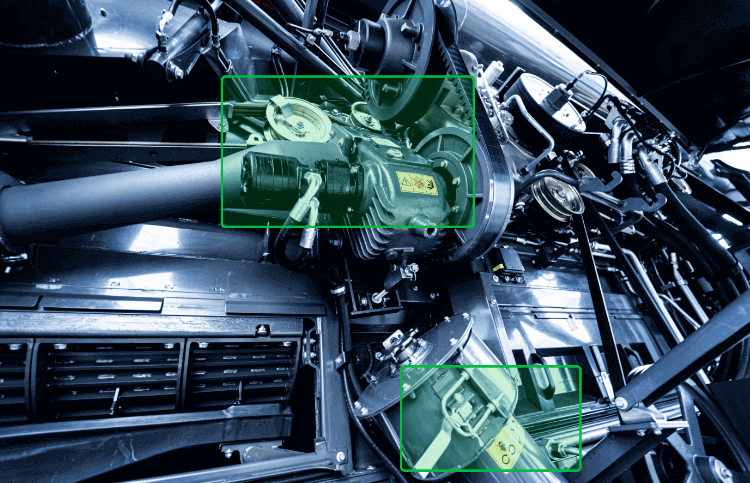
This approach not only reduces the need for technicians to physically access the blades but also provides a more consistent and objective assessment. AI-powered inspection tools can flag subtle defects that might be missed by the human eye, ensuring that maintenance teams can address issues before they escalate. For a deeper dive into the role of advanced vision models in industry, see the discussion on vision transformers for industrial use.
Key Benefits of Automated Blade Assessments
Adopting wind turbine blade AI inspection brings several tangible advantages to wind farm operators and maintenance teams:
- Increased Efficiency: Automated inspections can cover more turbines in less time, reducing operational downtime and maximizing energy output.
- Enhanced Accuracy: AI models are trained to detect a wide range of defects, minimizing false positives and ensuring that only genuine issues are flagged for repair.
- Improved Safety: By reducing the need for technicians to climb turbines or use rope access, the risk of workplace accidents is significantly lowered.
- Cost Savings: Early detection of blade damage prevents expensive repairs and extends the service life of turbines, leading to substantial long-term savings.
- Comprehensive Data: AI systems generate detailed reports, enabling predictive maintenance and better resource allocation.
These benefits align with broader trends in industrial quality assurance, where AI is being used to transform traditional processes. For more insights, explore how artificial intelligence is revolutionizing quality assurance across various sectors.
Technologies Powering AI-Based Blade Inspections
Several technologies work together to enable effective AI-driven blade assessments:
- Drones and Robotics: Unmanned aerial vehicles equipped with high-resolution cameras can quickly scan turbine blades from multiple angles, capturing detailed imagery for analysis.
- Machine Learning Algorithms: Deep learning models, particularly convolutional neural networks (CNNs), excel at recognizing patterns and anomalies in visual data.
- Cloud Computing: Large volumes of inspection data are processed and stored in the cloud, allowing for scalable analysis and easy access to historical records.
- Edge Devices: In some cases, AI models are deployed on edge devices, enabling real-time defect detection even in remote locations with limited connectivity.
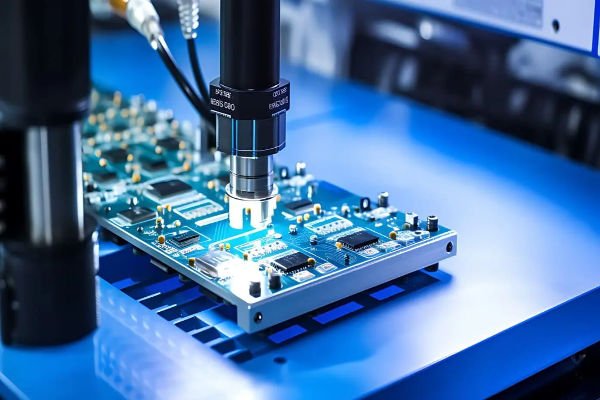
The combination of these technologies ensures that wind farms can benefit from rapid, reliable, and scalable inspection processes. For those interested in optimizing AI models further, resources on hyperparameter tuning for inspection models provide valuable guidance.
Best Practices for Implementing AI in Wind Turbine Maintenance
To fully realize the potential of AI-driven inspections, wind energy operators should consider the following best practices:
- Data Quality: Ensure that the images and sensor data used for training and analysis are high-quality and representative of real-world conditions.
- Model Validation: Regularly validate and update AI models to maintain accuracy as new types of defects emerge or as blade designs evolve.
- Integration with Maintenance Workflows: Seamlessly integrate AI inspection results with existing asset management and maintenance systems for streamlined operations.
- Continuous Monitoring: Implement systems to monitor AI model performance and detect drift, as discussed in resources like monitoring AI model drift in factories.
- Human Oversight: While AI can automate much of the inspection process, human experts should review critical findings and make final maintenance decisions.
By following these guidelines, wind farm operators can maximize the value of AI-powered solutions and ensure reliable, long-term turbine performance.
Challenges and Considerations in AI-Driven Blade Inspections
While the benefits are clear, there are also challenges to address when adopting AI for blade maintenance:
- Data Privacy and Security: Handling large volumes of sensitive operational data requires robust cybersecurity measures.
- Initial Investment: Deploying drones, sensors, and AI software involves upfront costs, though these are often offset by long-term savings.
- Model Generalization: AI models must be trained on diverse datasets to ensure they can accurately detect defects across different blade types and environmental conditions.
- Regulatory Compliance: Operators must ensure that inspection processes meet industry standards and local regulations.
Addressing these challenges requires a balanced approach, combining technological innovation with strong governance and ongoing staff training. Additionally, wearable technologies are emerging as valuable tools for supporting manual inspections. Learn more about this trend in wearable AI for manual inspection support.
Future Trends in AI-Powered Blade Assessment
The future of wind turbine maintenance is increasingly digital. As AI models become more sophisticated, we can expect even greater automation, predictive analytics, and integration with other smart energy systems. Emerging trends include:
- Real-Time Monitoring: Continuous data streams from sensors and cameras enable instant detection and response to blade damage.
- Predictive Maintenance: AI can forecast when and where defects are likely to occur, allowing for proactive repairs and reduced downtime.
- Integration with Digital Twins: Virtual models of turbines can be updated in real time with inspection data, supporting advanced simulations and scenario planning.
- Cross-Industry Collaboration: Lessons from sectors like aerospace and manufacturing are being adapted for wind energy, accelerating innovation.
As these technologies mature, wind farms will benefit from lower maintenance costs, higher energy yields, and improved sustainability.
FAQ
How does AI improve the accuracy of wind turbine blade inspections?
AI algorithms are trained on extensive datasets of blade images and defect types, enabling them to recognize subtle patterns and anomalies that may be missed by manual inspectors. This leads to more consistent and objective assessments, reducing the risk of undetected damage.
What are the main challenges in adopting AI-based blade inspection?
Key challenges include ensuring high-quality training data, managing cybersecurity risks, addressing initial investment costs, and keeping AI models updated to handle new defect types and blade designs. Regulatory compliance and integration with existing maintenance systems are also important considerations.
Can AI-powered inspections fully replace human inspectors?
While AI can automate much of the inspection process and enhance accuracy, human expertise remains essential for interpreting complex findings, making repair decisions, and handling unique or unforeseen situations. The best results are achieved by combining AI technology with skilled human oversight.