
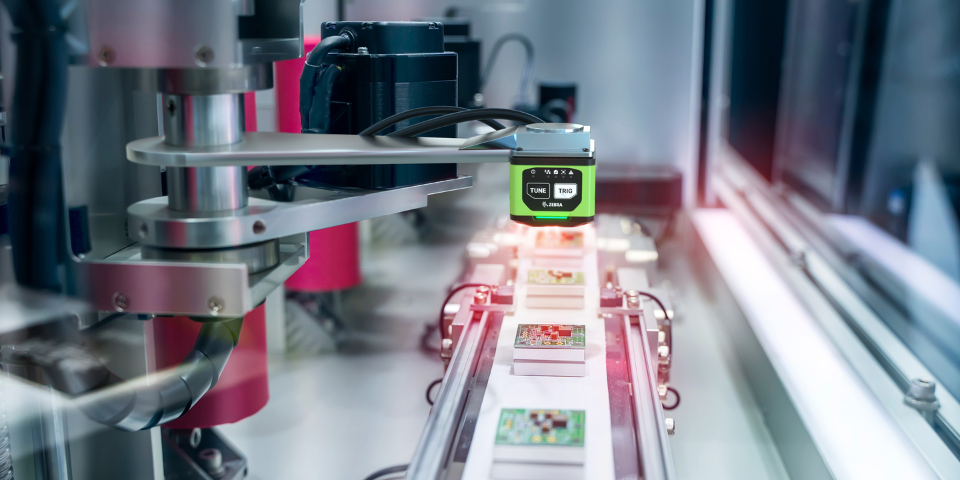
X-ray inspection with machine learning is transforming how manufacturers, logistics providers, and quality assurance teams detect defects and ensure product integrity. By combining the precision of X-ray imaging with the analytical power of artificial intelligence, organizations can achieve faster, more accurate, and more reliable inspection results than ever before. This blend of technologies is not only improving defect detection rates but also enabling smarter decision-making and reducing operational costs.
As industries face increasing demands for quality and efficiency, automated inspection powered by machine learning is quickly becoming a standard. These solutions are particularly valuable in sectors like electronics, food processing, automotive, and pharmaceuticals, where even minor defects can have significant consequences. In this article, we’ll explore how this advanced approach works, its benefits, practical applications, and what businesses should consider when adopting it.
For those interested in complementary technologies, augmented reality in quality audits is another innovation enhancing inspection processes by providing real-time visual data overlays to inspectors.
How Machine Learning Enhances X-Ray Inspection
Traditional X-ray inspection methods rely heavily on human expertise and rule-based algorithms. While effective, these approaches can be limited by human fatigue, subjective judgment, and the complexity of interpreting subtle or overlapping features in X-ray images. Machine learning addresses these challenges by training algorithms to recognize patterns, anomalies, and defects that may be invisible to the naked eye or difficult to define with simple rules.
The process typically involves collecting large datasets of X-ray images, labeling them according to defect types, and using these annotated images to train deep learning models. Once trained, these models can analyze new images rapidly and consistently, flagging potential issues for further review or triggering automated responses.
Deep learning models, such as convolutional neural networks (CNNs), are particularly well-suited for image analysis. They can learn to detect cracks, voids, misalignments, contaminants, and other defects with remarkable accuracy, even in complex or noisy backgrounds. This capability is especially valuable in high-throughput environments where manual inspection would be impractical.
Key Benefits of Automated X-Ray Analysis
Integrating x-ray inspection with machine learning brings several advantages to industrial and manufacturing settings:
- Increased Accuracy: AI-driven systems can detect subtle defects and anomalies that might be missed by human inspectors or traditional algorithms.
- Consistency: Machine learning models provide uniform inspection standards, reducing variability caused by human factors.
- Speed: Automated analysis processes images much faster than manual review, supporting high-volume production lines.
- Scalability: Once trained, models can be deployed across multiple inspection stations or facilities with minimal additional setup.
- Data-Driven Insights: These systems generate valuable data on defect trends, enabling process improvements and predictive maintenance.
For organizations seeking to optimize their inspection models, exploring hyperparameter tuning for inspection models can further enhance detection performance and reliability.
Real-World Applications Across Industries
The adoption of AI-powered X-ray analysis is spreading rapidly across various sectors:
- Electronics: Detecting soldering defects, misaligned components, and internal cracks in printed circuit boards (PCBs).
- Food and Beverage: Identifying foreign objects, bone fragments, or contaminants in packaged foods to ensure safety and compliance.
- Automotive: Inspecting welds, castings, and assemblies for structural integrity and manufacturing defects.
- Pharmaceuticals: Verifying fill levels, packaging integrity, and the presence of contaminants in medical products.
- Aerospace: Ensuring the quality and safety of critical components through advanced defect detection.
These applications highlight the versatility and impact of combining X-ray imaging with advanced analytics. As more industries adopt this approach, the demand for skilled professionals and robust AI solutions continues to grow.
Challenges and Considerations When Implementing AI-Based Inspection
While the benefits are substantial, deploying x-ray inspection with machine learning also presents certain challenges:
- Data Quality and Quantity: Training effective models requires large, well-labeled datasets. Poor-quality images or inconsistent labeling can reduce accuracy.
- Model Drift: Over time, changes in production processes or materials can cause models to become less effective. Regular monitoring and retraining are essential. Learn more about monitoring AI model drift in factories for best practices.
- Integration: Seamlessly connecting AI inspection systems with existing production lines and IT infrastructure can be complex.
- Regulatory Compliance: Some industries require explainable AI and traceable inspection results to meet regulatory standards.
- Cost: Initial investment in technology, data preparation, and model development can be significant, though often offset by long-term savings.
Addressing these challenges requires a strategic approach, including collaboration between domain experts, data scientists, and IT teams.
Best Practices for Deploying Machine Learning in X-Ray Inspection
To maximize the value of AI-driven inspection, organizations should consider the following best practices:
- Start with Clear Objectives: Define what types of defects or anomalies are most critical to detect and what success looks like.
- Invest in Data Collection: Gather a diverse and representative set of X-ray images, ensuring accurate labeling and documentation.
- Choose the Right Algorithms: Select machine learning models suited to the complexity and variability of your inspection tasks.
- Validate and Test: Rigorously evaluate model performance using separate validation datasets and real-world scenarios.
- Plan for Continuous Improvement: Establish processes for ongoing monitoring, retraining, and updating of models as conditions change.
- Integrate with Human Expertise: Use AI as a tool to augment, not replace, skilled inspectors—especially for ambiguous or novel cases.
Organizations can also benefit from exploring related technologies, such as wearable AI for manual inspection support, which can further enhance the efficiency and accuracy of inspection teams.
Future Trends in AI-Driven X-Ray Analysis
The field of automated inspection is evolving rapidly. Emerging trends include:
- Vision Transformers: These next-generation AI models are showing promise in handling complex image analysis tasks. For more, see vision transformers for industrial use.
- Edge Computing: Deploying AI models directly on inspection hardware for real-time analysis and reduced data transfer needs.
- Explainable AI: Developing models that provide interpretable results, helping organizations meet regulatory requirements and build trust in automated decisions.
- Integration with Quality Management Systems: Linking inspection data with broader quality control platforms for end-to-end traceability and analytics.

As these trends develop, the synergy between machine learning and X-ray imaging will continue to drive innovation and efficiency across industries.
For a broader perspective on how AI is reshaping quality control, the article on AI-powered quality control in manufacturing provides valuable insights into current and future developments.
FAQ: X-Ray Inspection and Machine Learning
How does machine learning improve defect detection in X-ray images?
Machine learning algorithms are trained on large datasets of labeled X-ray images, enabling them to recognize subtle patterns and anomalies that may be missed by human inspectors or rule-based systems. This results in higher accuracy, faster processing, and more consistent defect detection.
What industries benefit most from AI-powered X-ray inspection?
Industries such as electronics, automotive, food and beverage, pharmaceuticals, and aerospace see significant benefits. These sectors require high reliability and precision in defect detection, making automated analysis especially valuable.
What are the main challenges in adopting AI for X-ray analysis?
Key challenges include obtaining high-quality labeled data, integrating AI systems with existing workflows, managing model drift over time, and ensuring compliance with industry regulations. Addressing these issues requires careful planning and collaboration between technical and domain experts.