

Achieving flawless production is a central goal for manufacturers aiming to stay competitive and meet rising customer expectations. Zero defect manufacturing strategies are designed to eliminate errors, reduce waste, and ensure that every product meets strict quality standards. By focusing on prevention rather than correction, these approaches help organizations minimize costly recalls, improve efficiency, and build a reputation for reliability.
Modern manufacturing environments are increasingly complex, with advanced automation, data analytics, and quality control systems playing a pivotal role. Companies that adopt robust defect prevention methods not only reduce costs but also gain a significant edge in the marketplace. This article explores proven techniques, supporting technologies, and practical steps for implementing a no-defect approach in your operations.
For those seeking to enhance their quality management toolkit, leveraging advanced manufacturing quality analytics can provide actionable insights and support continuous improvement initiatives.
Understanding the Principles of Zero Defect Manufacturing
The concept of zero defects is rooted in the idea that it is possible—and desirable—to prevent mistakes before they occur, rather than relying on inspections to catch them after the fact. This philosophy requires a cultural shift, where every employee is empowered to take responsibility for quality and is encouraged to identify and address potential sources of error.
Key principles include:
- Prevention over detection: Focus on process design and controls that stop defects from happening, rather than just finding them later.
- Continuous improvement: Use data-driven methods to identify root causes and implement corrective actions.
- Employee involvement: Engage all levels of staff in quality initiatives, fostering a sense of ownership and accountability.
- Standardization: Develop and maintain clear, consistent procedures to reduce variability and human error.
Key Strategies for Achieving Flawless Production
Implementing zero defect manufacturing strategies involves a combination of process optimization, technology adoption, and organizational change. Below are some of the most effective approaches used by industry leaders:
Process Standardization and Documentation
Clear, standardized work instructions are fundamental to minimizing mistakes. By documenting every step of the production process, manufacturers can ensure consistency and make it easier to train new employees. Regular reviews and updates to these documents help keep them relevant as processes evolve.
Advanced Quality Monitoring Systems
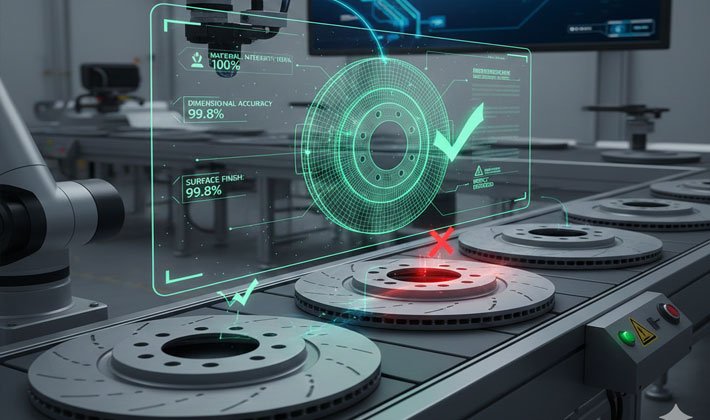
Real-time monitoring tools, such as next generation quality monitoring systems, provide immediate feedback on production quality. These systems use sensors, cameras, and data analytics to detect anomalies as soon as they occur, allowing for rapid intervention and correction.
Root Cause Analysis and Corrective Actions
When a defect is detected, it’s essential to go beyond surface-level fixes. Root cause analysis tools help teams identify the underlying issues that lead to errors, whether they are related to equipment, materials, or human factors. Implementing corrective actions based on these findings prevents recurrence and supports long-term quality gains.
Automated Inspection and Error-Proofing (Poka-Yoke)
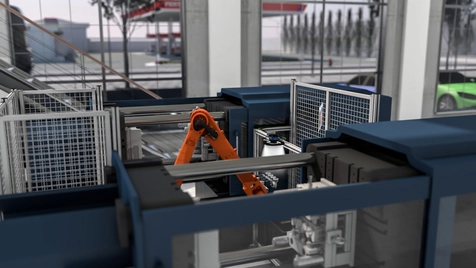
Automation plays a crucial role in eliminating human error. Automated inspection stations and error-proofing devices (poka-yoke) are designed to catch mistakes before they impact the final product. For example, sensors can verify that components are assembled in the correct sequence, or that critical parameters are within tolerance.
Leveraging Data for Proactive Quality Control
Data-driven decision making is at the heart of modern defect prevention. By collecting and analyzing production data, manufacturers can spot trends, identify process drift, and intervene before defects occur. Tools like quality drift detection systems and variance detection in manufacturing enable teams to maintain tight control over process variables and respond quickly to deviations.
Additionally, tracking manufacturing performance indicators helps organizations measure the effectiveness of their quality initiatives and identify areas for further improvement.
Continuous Monitoring and Feedback Loops
Establishing a culture of continuous monitoring is essential for sustaining zero-defect performance. This involves not only real-time process monitoring but also regular audits, feedback sessions, and employee training. According to continuous monitoring best practices, integrating automated alerts and dashboards can help teams stay informed and take prompt action when issues arise.
Feedback loops ensure that lessons learned from defects or near-misses are shared across the organization, leading to ongoing process refinement and knowledge transfer.
Building a Quality-First Culture
Technology and process improvements are only part of the equation. Achieving zero defects requires a strong organizational commitment to quality at every level. This means:
- Empowering employees to stop production if a problem is detected
- Recognizing and rewarding proactive quality improvements
- Providing ongoing training and development opportunities
- Encouraging open communication about errors and near-misses
When everyone in the organization is aligned around the goal of defect-free output, it becomes much easier to sustain high standards and respond effectively to new challenges.
Benefits of Adopting Zero Defect Approaches
Organizations that successfully implement zero defect manufacturing strategies can expect a range of tangible benefits, including:
- Lower costs due to reduced scrap, rework, and warranty claims
- Higher customer satisfaction and loyalty
- Improved compliance with regulatory and industry standards
- Enhanced brand reputation and market competitiveness
- Greater workforce engagement and morale
These advantages not only improve the bottom line but also position companies for long-term growth and resilience in a rapidly evolving industry landscape.
FAQ: Zero Defect Manufacturing in Practice
What are the main challenges in implementing zero defect strategies?
The biggest hurdles include overcoming resistance to change, aligning all departments around quality goals, and investing in the necessary technology and training. Success requires strong leadership, clear communication, and a willingness to continuously adapt processes.
How does automation contribute to defect prevention?
Automation reduces the risk of human error by standardizing repetitive tasks, enabling real-time quality checks, and ensuring that critical steps are not missed. Automated systems can also collect valuable data for ongoing process optimization.
Can small manufacturers achieve zero defects, or is it only for large companies?
Zero-defect principles can be applied in organizations of any size. While large companies may have more resources for advanced technology, small manufacturers can benefit from process standardization, employee training, and a strong quality culture. Even incremental improvements can lead to significant reductions in defects.