
In modern manufacturing, reducing false rejects with AI is a top priority for quality assurance teams. False rejects—when good products are mistakenly classified as defective—can lead to unnecessary waste, increased costs, and production delays. As industries adopt advanced vision systems, artificial intelligence is transforming how inspections are performed, offering new ways to minimize these costly errors.
This article explores practical strategies for leveraging AI-powered vision technology to lower false reject rates, improve inspection accuracy, and streamline quality control processes. Along the way, we’ll highlight key concepts, real-world applications, and essential considerations for manufacturers aiming to optimize their inspection lines.
For a deeper dive into how digital models and intelligent inspection systems work together, see our guide on digital twins and AI inspection systems.
Understanding False Rejects in Automated Inspection
In automated quality control, a false reject occurs when a system incorrectly identifies a non-defective product as faulty. This issue is especially prevalent in traditional rule-based vision systems, which often struggle with natural variations in materials, lighting, or product positioning. The consequences include:
- Unnecessary scrapping or rework of good products
- Increased production costs and resource waste
- Potential bottlenecks in manufacturing workflows
- Lower overall yield and efficiency
As production lines become more complex and demand for higher quality grows, minimizing these errors is essential for maintaining competitiveness and profitability.
Why AI Vision Systems Excel at Reducing False Rejects
Unlike conventional inspection methods, AI-based vision technology leverages machine learning algorithms to learn from vast datasets of both good and defective products. This enables the system to distinguish between acceptable variations and true defects with greater accuracy.
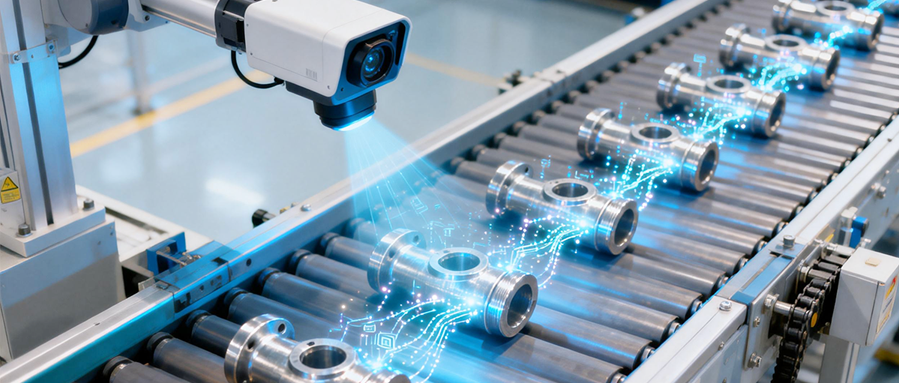
Key advantages of AI vision systems in reducing false rejects include:
- Adaptive learning: AI models continuously improve by analyzing new data, adapting to changes in production and product design.
- Robustness to variability: Machine learning can account for natural differences in materials, lighting, and positioning, reducing the likelihood of misclassification.
- Advanced feature recognition: Deep learning models, such as convolutional neural networks, can detect subtle patterns and anomalies that rule-based systems might miss.
- Continuous optimization: AI systems can be retrained and fine-tuned as more inspection data becomes available, further lowering false reject rates over time.
For more on how these neural networks identify industrial defects, visit our article on how convolutional neural networks find defects.
Best Practices for Lowering False Reject Rates with AI
To maximize the benefits of AI-powered vision inspection and minimize false rejects, manufacturers should follow several best practices:
1. Curate High-Quality Training Data
The accuracy of any AI model depends heavily on the quality and diversity of its training data. Ensure your dataset includes a wide range of acceptable product variations as well as examples of all known defect types. This helps the model learn to distinguish between harmless differences and true issues.
2. Regularly Update and Validate Models
As production lines evolve, so do the characteristics of products and potential defects. Periodically retrain your AI models with fresh data to maintain optimal performance. Validation against new samples is critical to ensure the system continues to make accurate decisions and doesn’t drift toward higher false reject rates.
3. Fine-Tune Sensitivity Thresholds
Many AI vision platforms allow users to adjust sensitivity or confidence thresholds for defect detection. By carefully calibrating these settings, you can strike a balance between catching real defects and avoiding unnecessary rejections of good products.
4. Integrate Human-in-the-Loop Feedback
Combining AI with expert human review can further reduce false rejects. When the system is uncertain or flags borderline cases, human inspectors can provide feedback, which is then used to retrain and refine the model.
5. Monitor and Analyze Inspection Outcomes
Continuously track inspection results, including the rates of false rejects and false accepts. Use this data to identify trends, root causes, and opportunities for further optimization. Many modern AI inspection platforms provide analytics dashboards to support this process.
Real-World Applications and Industry Impact
AI-driven vision inspection is making a significant impact across industries such as automotive, electronics, food and beverage, and pharmaceuticals. By reducing false rejects, companies are able to:
- Increase yield and throughput
- Lower material and labor costs
- Enhance product quality and consistency
- Meet stricter regulatory and customer requirements

For example, in electronics manufacturing, AI vision systems can distinguish between minor cosmetic blemishes and critical defects, ensuring only truly faulty items are rejected. In food processing, AI can adapt to natural variations in shape and color, reducing unnecessary waste.
To learn more about the broader benefits of automated inspection, see our overview of the benefits of automated surface inspection.
Challenges and Considerations When Deploying AI Vision
While the advantages are clear, implementing AI-based inspection comes with its own set of challenges:
- Data requirements: Collecting and labeling sufficient training data can be resource-intensive.
- Integration complexity: Adapting existing production lines to accommodate AI vision systems may require hardware and software upgrades.
- Ongoing maintenance: AI models need regular updates to remain effective as products and processes change.
- Change management: Teams must be trained to understand and trust AI-driven decisions, especially when transitioning from manual or rule-based systems.
Despite these hurdles, the long-term gains in accuracy, efficiency, and cost savings make AI vision a compelling investment for manufacturers seeking to reduce false rejects.
Further Reading and Resources
For a technical perspective on how AI vision technology is being applied in industrial settings, see this in-depth article on AI-based visual inspection systems.
If you’re interested in how predictive analytics compares with traditional inspection, our comparison of predictive maintenance vs reactive inspection provides additional context.
FAQ: Reducing False Rejects with AI Vision
What causes false rejects in automated inspection systems?
False rejects are often caused by rigid rule-based algorithms that can’t handle natural product variations, inconsistent lighting, or minor cosmetic differences. AI-powered systems address these challenges by learning from diverse datasets, making them more tolerant of acceptable variations.
How does AI improve inspection accuracy compared to traditional methods?
AI models, especially those using deep learning, can analyze complex patterns and subtle differences that traditional systems might miss. By continuously learning from new data, AI vision systems adapt to changes in production and reduce both false rejects and false accepts.
What are the key steps to successfully implement AI vision inspection?
Start by collecting high-quality, representative data. Work with experienced AI partners to develop and validate your models. Integrate the system with your existing production line, and establish processes for ongoing monitoring and retraining to ensure sustained performance.
Can AI vision systems be used in all manufacturing industries?
Yes, AI-powered inspection is adaptable to a wide range of industries, including automotive, electronics, food and beverage, pharmaceuticals, and more. The technology can be tailored to specific products, defect types, and quality standards.
Is it possible to eliminate false rejects entirely?
While it’s unlikely to achieve zero false rejects, AI vision technology can significantly reduce their occurrence. Continuous improvement, data-driven optimization, and human-in-the-loop feedback are key to approaching the lowest possible error rates.