

The aerospace sector is renowned for its stringent quality demands, where even minor deviations can have significant consequences. As the industry evolves, artificial intelligence is playing a transformative role in how manufacturers, suppliers, and regulators approach quality assurance. Understanding how aerospace quality standards and AI intersect is essential for organizations aiming to maintain compliance, drive efficiency, and foster innovation.
This article explores the integration of artificial intelligence into aerospace quality management, highlighting the key standards, practical applications, and the challenges organizations face as they adapt to new technologies. For those interested in related advancements, see our guide on the role of industrial cameras in AI systems, which details how imaging hardware supports AI-driven inspection processes.
Key Aerospace Quality Standards Shaping the Industry
The aerospace industry adheres to a set of internationally recognized quality frameworks to ensure safety, reliability, and regulatory compliance. Among the most significant are:
- AS9100: This is the primary quality management system standard for aviation, space, and defense organizations. It builds upon ISO 9001, adding requirements specific to aerospace.
- AS9110: Tailored for maintenance, repair, and overhaul (MRO) organizations, this standard emphasizes process control and documentation.
- AS9120: Geared toward distributors, it focuses on traceability and control of records, ensuring that parts and materials meet strict sourcing criteria.
- NADCAP: The National Aerospace and Defense Contractors Accreditation Program provides process-specific accreditations, such as for heat treating and chemical processing.
These frameworks demand rigorous documentation, traceability, and continuous improvement. As organizations look to adopt AI, aligning new technologies with these established standards is a top priority.
Integrating AI into Aerospace Quality Management
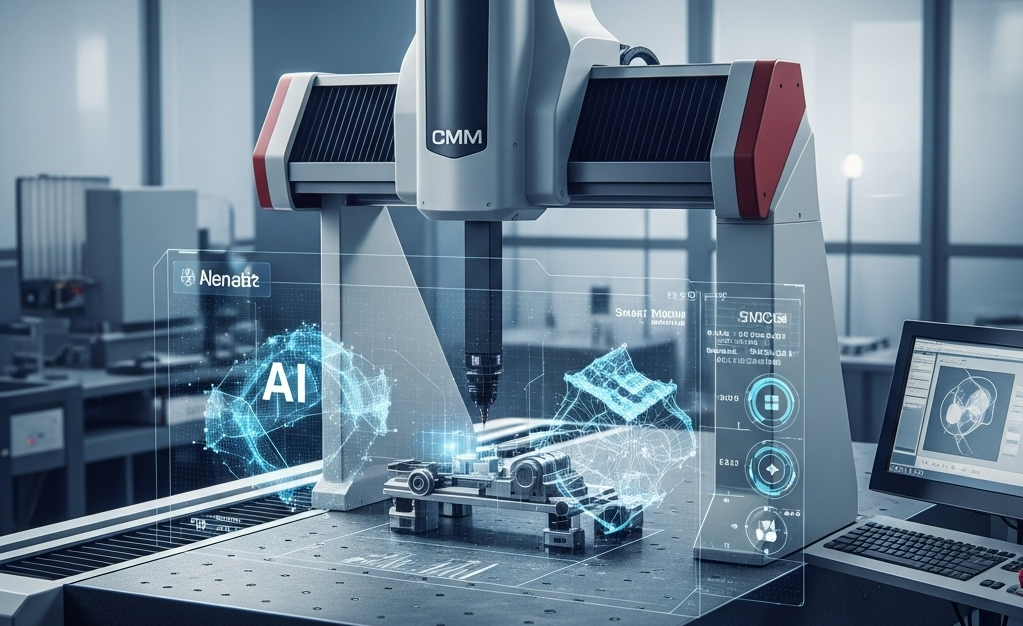
Artificial intelligence is being leveraged to automate inspections, analyze large volumes of data, and predict potential failures before they occur. Integrating aerospace quality standards and AI requires careful planning to ensure that automated systems meet the same high bar as traditional processes.
AI-Driven Inspection and Defect Detection
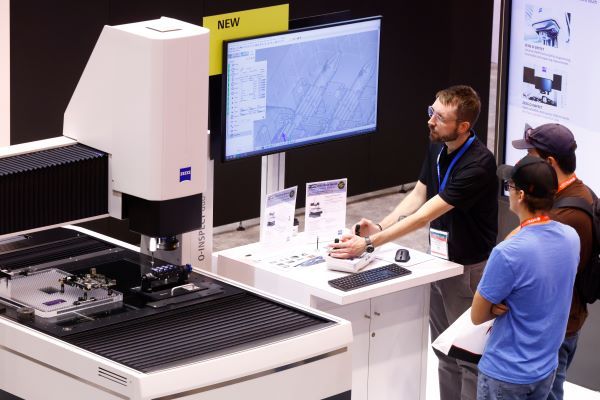
Machine vision systems powered by AI can inspect components at speeds and levels of detail unattainable by human inspectors. These systems use advanced algorithms to detect surface defects, dimensional inaccuracies, and assembly errors in real time. By documenting every inspection, AI helps maintain the traceability required by aerospace regulations.
For example, integrating AI vision with industrial cameras enables precise and repeatable inspection routines. This synergy is discussed in our article on food safety monitoring with AI vision, which, while focused on food, highlights principles directly applicable to aerospace manufacturing.
Predictive Maintenance and Data Analytics
Predictive analytics, a core application of AI in aerospace, processes sensor data from equipment and components to forecast potential failures. By identifying patterns that precede breakdowns, organizations can schedule maintenance proactively, reducing downtime and preventing costly incidents. This approach aligns with the continuous improvement ethos of AS9100 and similar standards.
Automating Documentation and Compliance
Compliance with aerospace quality frameworks requires meticulous documentation. AI-powered systems can automate the collection, organization, and analysis of quality records. Natural language processing tools extract relevant information from reports, while machine learning algorithms flag anomalies or gaps in documentation, supporting audit readiness.
Challenges in Aligning AI with Aerospace Quality Requirements
While the benefits of AI in aerospace quality assurance are significant, organizations face several hurdles when integrating these technologies:
- Validation and Verification: AI models must be rigorously validated to ensure their outputs are accurate and reliable. This process can be complex, especially for deep learning systems whose decision-making is not always transparent.
- Data Integrity: High-quality, representative data is essential for training effective AI models. Incomplete or biased datasets can lead to inaccurate predictions or missed defects.
- Regulatory Acceptance: Regulatory bodies may require evidence that AI-driven processes are as robust as traditional methods. Demonstrating equivalence or superiority is a key step in gaining approval.
- Change Management: Introducing AI often requires changes to workflows and employee roles. Training and clear communication are necessary to ensure smooth adoption.
Addressing these challenges is critical for organizations seeking to leverage AI while maintaining compliance with established aerospace quality frameworks.
Best Practices for Implementing AI in Aerospace Quality Systems
To successfully integrate AI while meeting industry requirements, consider the following best practices:
- Start with Pilot Projects: Begin with small-scale implementations to validate AI tools and measure their impact before scaling up.
- Collaborate with Stakeholders: Involve quality managers, engineers, and regulatory experts early in the process to ensure all requirements are addressed.
- Document Thoroughly: Maintain detailed records of AI model development, validation, and deployment to support audits and regulatory reviews.
- Monitor and Update Continuously: Regularly assess AI system performance and update models as new data becomes available or standards evolve.
- Leverage Industry Resources: Stay informed about evolving best practices and regulatory guidance. For insights into how AI is transforming quality control in manufacturing, see this overview of AI quality control in manufacturing.
Future Trends: AI’s Expanding Role in Aerospace Quality
The use of artificial intelligence in aerospace quality management is expected to accelerate as technologies mature and regulatory frameworks adapt. Emerging trends include:
- Explainable AI: Tools that provide transparency into AI decision-making, making it easier to validate and trust automated inspections.
- Edge Computing: Deploying AI algorithms directly on inspection devices for faster, real-time analysis without needing to send data to the cloud.
- Integration with IoT: Combining AI with IoT sensors for comprehensive, continuous monitoring of manufacturing environments. For more on this, explore our article on IoT integration in inspection processes.
- Cross-Industry Learning: Sharing AI quality control innovations between aerospace, automotive, and other sectors. For example, see our coverage of automotive quality control using AI for related developments.
FAQ: Aerospace Quality Standards and Artificial Intelligence
How does AI help meet aerospace quality requirements?
Artificial intelligence automates inspections, analyzes large datasets for trends, and predicts potential failures. By improving accuracy and consistency, AI helps organizations maintain compliance with industry standards like AS9100 and NADCAP.
What are the main challenges of using AI in aerospace quality assurance?
Key challenges include validating AI models, ensuring data integrity, achieving regulatory acceptance, and managing organizational change. Addressing these issues is essential for successful and compliant AI adoption.
Can AI replace human inspectors in aerospace manufacturing?
While AI can enhance and automate many inspection tasks, human expertise remains vital for interpreting complex situations, making judgment calls, and overseeing the overall quality process. AI is best viewed as a powerful tool that supports, rather than replaces, skilled professionals.
How can companies ensure their AI systems comply with aerospace standards?
Organizations should document all aspects of AI system development, validation, and deployment. Collaborating with regulatory experts and conducting regular audits helps ensure ongoing compliance with industry requirements.
As artificial intelligence continues to advance, its integration with aerospace quality frameworks will remain a dynamic and evolving field. By staying informed and proactive, organizations can harness the benefits of AI while upholding the highest standards of safety and reliability.