
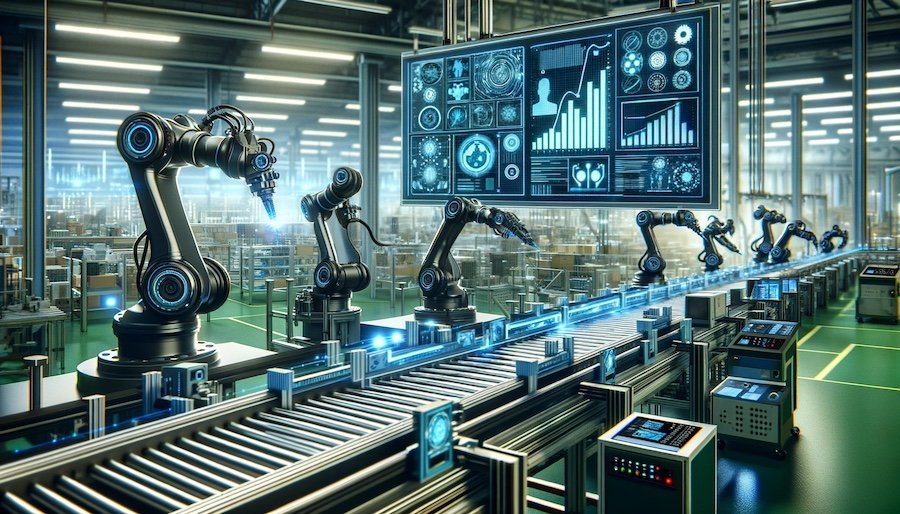
The automotive industry is undergoing a rapid transformation, with automotive quality control using AI at the forefront of this evolution. As vehicles become more complex and consumer expectations for safety and reliability continue to rise, manufacturers are turning to artificial intelligence to enhance inspection processes, reduce defects, and maintain competitive advantage. This article explores the latest developments, practical applications, and future directions for AI-driven quality assurance in automotive manufacturing.
Integrating advanced AI systems into quality control not only streamlines defect detection but also helps manufacturers adapt to shifting market demands and regulatory requirements. For those interested in related advancements, our guide on how to reduce false rejects with AI provides further insights into minimizing errors in automated inspection.
AI-Powered Inspection: Transforming Automotive Manufacturing
Traditional quality control in automotive production has relied heavily on manual inspection and rule-based automation. However, these methods often struggle to keep up with the pace and complexity of modern assembly lines. By leveraging machine learning and computer vision, AI-powered systems can analyze thousands of images per minute, identifying surface defects, assembly errors, and dimensional inaccuracies with a level of consistency that surpasses human inspectors.
The adoption of AI in automotive quality assurance is not limited to visual inspection. Advanced algorithms can interpret sensor data, monitor process parameters, and even predict potential failures before they occur. This proactive approach minimizes downtime, reduces waste, and ensures that only vehicles meeting strict standards reach the end customer.
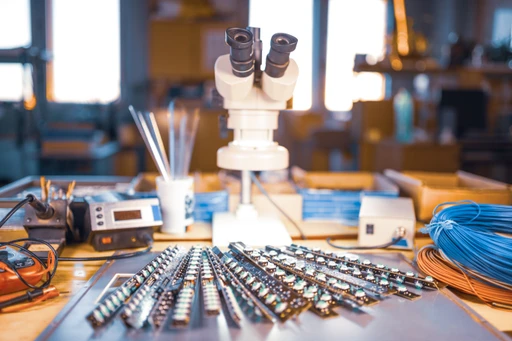
Key Innovations in AI-Driven Quality Control
Several groundbreaking technologies are shaping the future of automotive quality control using AI:
- Deep Learning for Visual Inspection: Convolutional neural networks (CNNs) are trained to spot minute defects in paint, welds, and components, even under challenging lighting or surface conditions.
- Real-Time Data Analytics: AI systems process live data from cameras and sensors, enabling immediate feedback and corrective action on the production line.
- Anomaly Detection: Machine learning models learn what constitutes a “normal” product and flag deviations, helping manufacturers address issues before they escalate. For a deeper dive, see our article on what is anomaly detection in manufacturing.
- Predictive Maintenance: AI can forecast equipment failures by analyzing operational data, reducing unplanned downtime and maintenance costs. Learn more about this approach in our comparison of predictive maintenance vs reactive inspection.
- Edge Computing: Deploying AI models directly on factory-floor devices allows for low-latency processing, essential for high-speed manufacturing environments.
These innovations are not only improving defect detection rates but also enabling a more agile and responsive manufacturing process.
Benefits and Challenges of AI in Automotive Quality Assurance
The integration of AI-based quality control solutions brings a host of advantages to automotive manufacturers:
- Higher Accuracy: AI systems consistently outperform manual inspection in identifying subtle defects and anomalies.
- Scalability: Automated inspection can be scaled across multiple lines and plants, ensuring uniform quality standards.
- Cost Savings: By reducing rework, scrap, and warranty claims, AI-driven quality control delivers measurable financial benefits.
- Continuous Improvement: Machine learning models improve over time, adapting to new products and evolving manufacturing processes.
Despite these benefits, there are challenges to consider. Implementing AI requires high-quality data, robust IT infrastructure, and skilled personnel to manage and interpret results. Additionally, manufacturers must address concerns about data privacy, system integration, and the need for ongoing model validation.
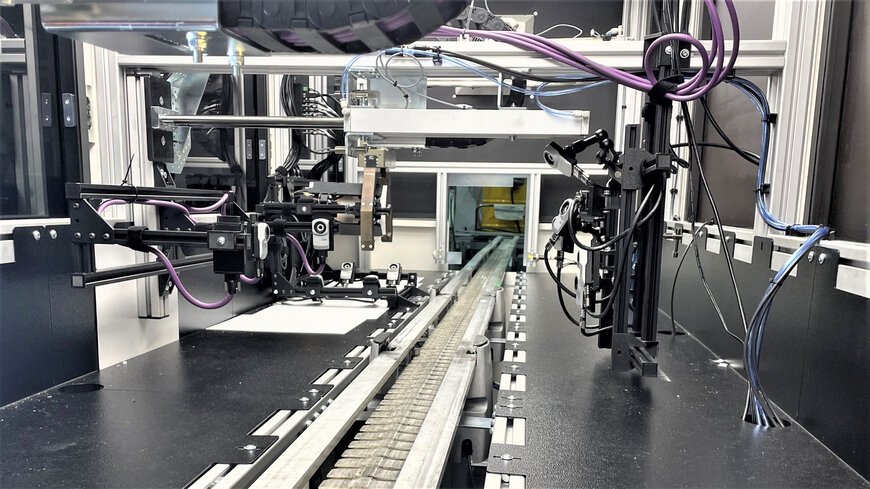
Emerging Trends in Smart Factory Quality Control
The future of automotive quality control using AI is closely tied to broader trends in smart manufacturing. The convergence of AI, IoT, and advanced robotics is enabling a new era of connected, intelligent factories. For instance, integrating IoT devices into inspection processes allows for real-time monitoring and adaptive control, as discussed in our resource on iot integration in inspection processes.
Other notable trends include:
- Cloud-Based Quality Platforms: Centralizing inspection data in the cloud facilitates collaboration and benchmarking across global manufacturing sites.
- Human-AI Collaboration: Rather than replacing human inspectors, AI augments their capabilities, allowing them to focus on complex or ambiguous cases.
- Adaptive Quality Control: AI systems dynamically adjust inspection parameters based on production data, improving flexibility and responsiveness.
- Regulatory Compliance: Automated documentation and traceability features help manufacturers meet stringent quality and safety standards.
For more on the direction of smart factory inspection, see our overview of smart factory quality control trends.
Real-World Applications and Case Studies
Automotive manufacturers worldwide are already seeing tangible results from deploying AI-driven inspection systems. For example, leading OEMs have reported significant reductions in false rejects and improved first-pass yield rates after implementing deep learning-based visual inspection. Tier-one suppliers are leveraging AI to monitor welding quality, detect paint defects, and ensure the integrity of safety-critical components.
According to a recent analysis by industry experts, the use of artificial intelligence in quality assurance is transforming how manufacturers approach defect detection, process optimization, and continuous improvement. These case studies highlight the versatility and scalability of AI solutions across different stages of automotive production.
Frequently Asked Questions
How does AI improve defect detection in automotive manufacturing?
AI systems use machine learning and computer vision to analyze images and sensor data from the production line. These technologies can identify subtle defects, inconsistencies, or anomalies that might be missed by human inspectors, resulting in higher accuracy and consistency in quality control.
What are the main challenges when implementing AI for quality control?
Key challenges include acquiring high-quality labeled data for model training, integrating AI with existing manufacturing systems, ensuring data privacy, and maintaining the accuracy of AI models over time. Skilled personnel are also required to manage, interpret, and continuously improve these systems.
Can AI-based quality control systems replace human inspectors?
While AI significantly enhances inspection speed and accuracy, it is most effective when used in conjunction with human expertise. AI can handle repetitive, high-volume tasks, allowing human inspectors to focus on complex or ambiguous cases that require judgment and experience.