
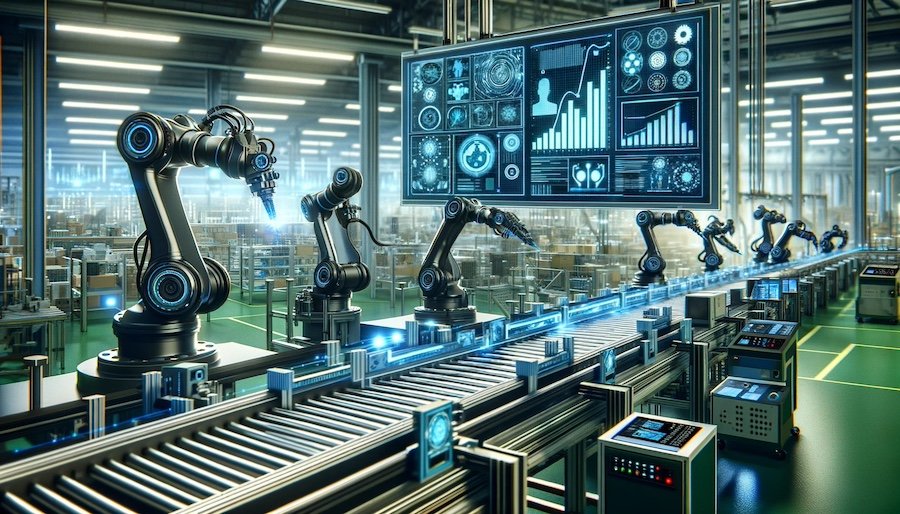
The textile industry faces constant pressure to deliver high-quality products while minimizing waste and production costs. One of the most persistent challenges is identifying and managing defects in fabrics, which can range from subtle weaving inconsistencies to visible holes or stains. Traditional inspection methods, often reliant on manual labor, are time-consuming and prone to human error. In recent years, textile defect detection with deep learning has emerged as a transformative approach, offering unprecedented speed, accuracy, and scalability for manufacturers.
As artificial intelligence continues to reshape manufacturing, integrating advanced vision systems into textile production lines is becoming essential. For those interested in how similar technologies are applied in other industries, our guide on food safety monitoring with AI vision provides practical insights into AI-driven quality assurance.
How Deep Learning Is Revolutionizing Textile Quality Control
The adoption of deep learning-based textile inspection is transforming how manufacturers approach quality control. Unlike traditional machine vision systems that rely on hand-crafted features and rule-based algorithms, deep learning models—especially convolutional neural networks (CNNs)—can automatically learn to recognize complex patterns and subtle anomalies in fabric images.
These AI-powered systems are trained on vast datasets of labeled fabric images, enabling them to detect a wide range of defects, including:
- Weaving faults (such as broken ends or picks)
- Color inconsistencies
- Stains and spots
- Holes and tears
- Yarn irregularities
By leveraging textile defect detection with deep learning, manufacturers can automate inspection processes, reduce false positives, and ensure consistent product quality at scale.
Key Components of AI-Driven Textile Inspection Systems
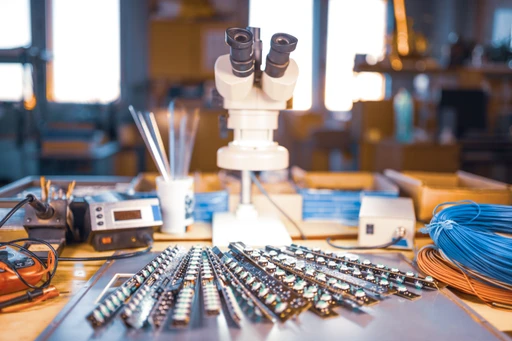
Implementing a robust AI-based inspection solution involves several critical components. Understanding these elements helps manufacturers make informed decisions when upgrading their quality control infrastructure.
High-Resolution Imaging Hardware
Accurate defect detection starts with capturing detailed images of the fabric. Industrial cameras, often paired with specialized lighting, provide the clarity and consistency needed for reliable analysis. For a deeper dive into imaging hardware, see our article on the role of industrial cameras in AI systems.
Data Annotation and Preparation
Training deep learning models requires large, annotated datasets. Each image must be labeled to indicate the presence and type of defect. This process can be time-consuming but is essential for achieving high detection accuracy.
Model Training and Optimization
Deep learning models are trained using annotated images, learning to distinguish between normal and defective regions. Techniques such as data augmentation, transfer learning, and hyperparameter tuning are often used to improve model performance and generalization.
Real-Time Inference and Integration
Once trained, the model is deployed to production lines, where it analyzes fabric images in real time. Integration with manufacturing execution systems (MES) allows for immediate feedback, enabling operators to address issues as they arise and minimize defective output.
Benefits of Automated Defect Detection in Textile Manufacturing
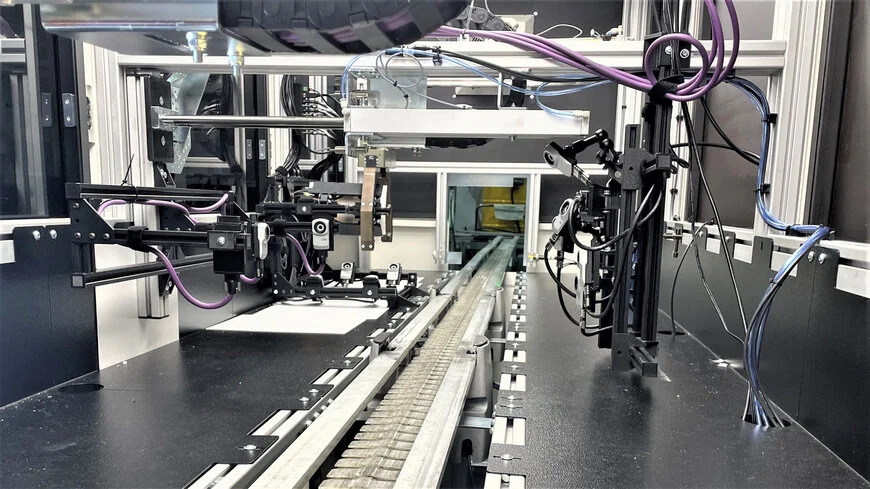
The shift toward AI-powered textile inspection brings measurable benefits to manufacturers:
- Increased Accuracy: Deep learning models can identify subtle defects that are easily missed by human inspectors or rule-based systems.
- Higher Throughput: Automated systems process images rapidly, keeping pace with high-speed production lines.
- Reduced Labor Costs: Automation minimizes the need for manual inspection, freeing up skilled workers for higher-value tasks.
- Consistent Quality: AI systems apply the same standards across all inspections, reducing variability and customer complaints.
- Actionable Data: Detailed analytics help manufacturers identify recurring issues, optimize processes, and improve yield.
These advantages are driving widespread adoption of deep learning for textile defect detection, helping companies stay competitive in a global market.
Challenges and Considerations for Implementation
While the benefits are significant, deploying AI-based inspection systems in textile production comes with unique challenges:
- Data Collection: Gathering and labeling sufficient defect images can be resource-intensive, especially for rare or subtle faults.
- Model Adaptability: Fabrics vary widely in texture, color, and pattern, requiring models to be robust and adaptable to new product lines.
- Integration Complexity: Retrofitting existing production lines with new hardware and software demands careful planning and investment.
- Continuous Improvement: Ongoing monitoring and retraining are necessary to maintain high detection rates as products and processes evolve.
Manufacturers considering this technology should evaluate their data infrastructure, workforce readiness, and long-term quality goals before embarking on an AI transformation.
Real-World Applications and Industry Impact
Leading textile producers are already reaping the rewards of AI-driven inspection. For example, some companies have reported defect detection rates exceeding 95%, with significant reductions in waste and customer returns. The ability to identify problems early in the production process also enables more agile manufacturing and better resource utilization.
The impact of textile defect detection with deep learning extends beyond quality control. It supports sustainability initiatives by reducing material waste and energy consumption. Furthermore, the data generated by these systems can inform product development and supply chain optimization.
For a broader perspective on how artificial intelligence is transforming quality assurance across industries, see this in-depth analysis of AI-driven quality assurance.
Future Trends in AI-Based Textile Inspection
As deep learning technology advances, several trends are shaping the future of textile inspection:
- Edge Computing: Deploying AI models directly on inspection hardware reduces latency and enables real-time decision-making.
- IoT Integration: Connecting inspection systems with other smart factory components creates a holistic view of production health. For more on this, explore our article on IoT integration in inspection processes.
- Self-Learning Systems: Next-generation models will continuously improve by learning from new data without manual intervention.
- Cross-Industry Applications: Techniques developed for textile inspection are being adapted for use in automotive, food, and electronics manufacturing, as discussed in our post on automotive quality control using AI.
These innovations promise to further enhance the efficiency, accuracy, and adaptability of textile inspection systems.
Frequently Asked Questions
What types of defects can deep learning models detect in textiles?
AI-powered systems can identify a wide range of fabric defects, including weaving faults, stains, holes, color inconsistencies, and yarn irregularities. The flexibility of deep learning allows these models to adapt to new defect types as more data becomes available.
How does deep learning improve over traditional inspection methods?
Unlike manual or rule-based systems, deep learning models automatically learn to recognize complex patterns and subtle anomalies. This results in higher accuracy, faster processing, and more consistent quality control across production runs.
Is it difficult to implement AI-based inspection in existing textile factories?
While integrating AI systems requires investment in imaging hardware, data infrastructure, and staff training, many manufacturers find that the long-term benefits—such as reduced defects and labor costs—outweigh the initial challenges. Careful planning and phased implementation can help ease the transition.