
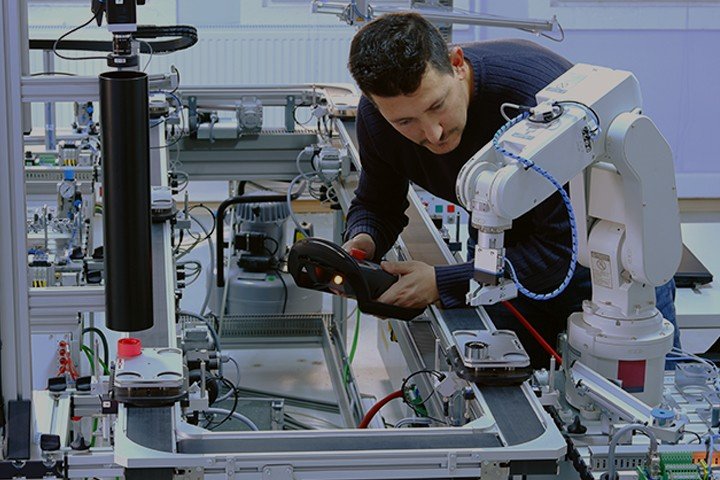
Boosting efficiency on the production floor is a top priority for manufacturers seeking to stay competitive, reduce costs, and deliver consistent quality. As technology advances and customer expectations rise, businesses must adopt proven methods to streamline processes, minimize waste, and maximize output. This article explores a range of production efficiency improvement techniques that have demonstrated real-world results across various industries.
Whether you’re operating a large-scale manufacturing plant or a smaller facility, understanding and implementing effective strategies can lead to significant gains in productivity and profitability. Before diving into specific methods, it’s important to recognize that no single approach fits all situations. The most successful organizations combine multiple tactics, adapting them to their unique needs and challenges.
For those interested in how artificial intelligence is transforming industrial processes, you may also want to explore vision transformers for industrial use and how they are shaping next-generation inspection and automation.
Understanding the Foundations of Process Optimization
At its core, improving efficiency in production involves identifying bottlenecks, eliminating unnecessary steps, and ensuring that resources are used wisely. This often starts with a thorough analysis of current workflows. Mapping out each stage of the process helps pinpoint areas where delays, errors, or redundancies occur.
Data collection and performance metrics are essential. By tracking key indicators such as cycle times, defect rates, and equipment utilization, managers can make informed decisions about where to focus their improvement efforts. Continuous monitoring also allows for quick adjustments when issues arise.
Lean Manufacturing: Reducing Waste and Streamlining Operations
One of the most widely adopted production efficiency improvement techniques is lean manufacturing. This philosophy centers on minimizing waste—whether it’s excess inventory, unnecessary movement, or overproduction. Lean tools such as 5S (Sort, Set in order, Shine, Standardize, Sustain), value stream mapping, and Kaizen (continuous improvement) empower teams to create more efficient work environments.
- 5S Methodology: Organizes the workspace for maximum efficiency and safety.
- Value Stream Mapping: Visualizes the flow of materials and information to identify waste.
- Kaizen Events: Short-term, focused projects that drive rapid improvements.
Leveraging Digital Tools and Automation
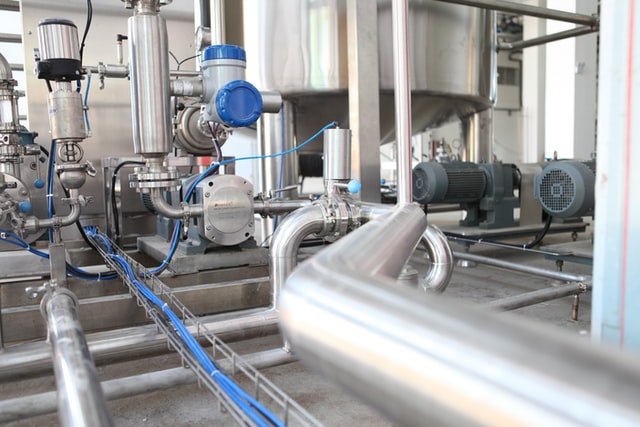
The integration of digital technologies has revolutionized how manufacturers approach efficiency. Automation, robotics, and industrial IoT (Internet of Things) solutions enable real-time monitoring and control of production lines. These tools not only reduce human error but also allow for predictive maintenance, minimizing downtime and extending equipment lifespan.
Implementing smart sensors and connected devices provides actionable insights into machine performance, energy consumption, and workflow bottlenecks. When paired with advanced analytics, these systems can suggest process adjustments before problems escalate.
Workforce Training and Engagement
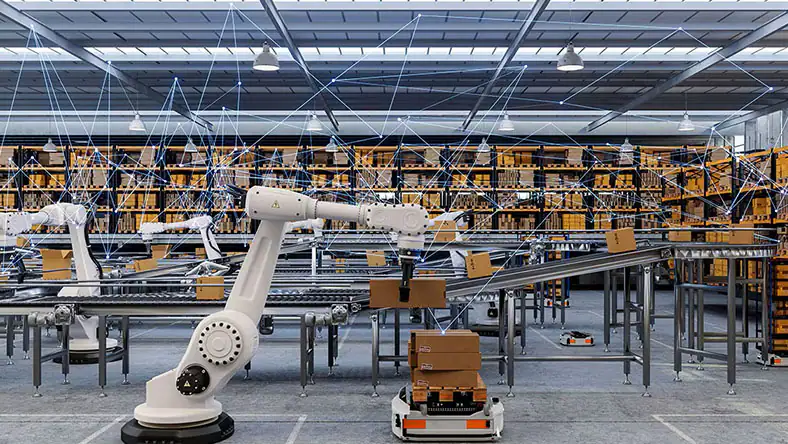
Technology alone cannot guarantee higher productivity. A well-trained, motivated workforce is essential for sustaining improvements. Regular training ensures that employees are up to date with the latest procedures, safety protocols, and equipment operation techniques.
Involving staff in problem-solving and decision-making fosters a culture of continuous improvement. When workers feel empowered to suggest changes and participate in improvement initiatives, they are more likely to take ownership of results and maintain high standards.
For organizations deploying AI-driven inspection systems, keeping models accurate and effective is crucial. For more on this, see the guide on retraining strategies for AI inspection.
Standardization and Documentation of Best Practices
Documenting standard operating procedures (SOPs) helps ensure consistency and reduces variability in output. Clear instructions and visual aids make it easier for new employees to learn tasks quickly and for experienced workers to maintain quality.
Regularly reviewing and updating SOPs as improvements are made keeps processes aligned with current best practices. This approach also simplifies compliance with industry regulations and quality standards.
Data-Driven Decision Making and Continuous Improvement
Using data to drive decisions is a hallmark of modern production management. Collecting information from every stage of the operation enables teams to set realistic targets, measure progress, and identify new opportunities for improvement.
Continuous improvement frameworks, such as PDCA (Plan-Do-Check-Act), encourage organizations to test changes on a small scale, evaluate results, and implement successful strategies more broadly. This iterative process helps maintain momentum and adapt to evolving business needs.
Quality Control and Traceability in Manufacturing
Ensuring product quality is closely tied to efficiency. Defects, rework, and recalls can quickly erode productivity gains. Implementing robust quality control systems—such as automated inspection, statistical process control, and traceability solutions—helps catch issues early and maintain high standards.
For a deeper look at how traceability systems support efficient, high-quality manufacturing, visit the article on traceability in AI-driven manufacturing.
Adapting to Small Data and Overcoming Scarcity
Not all production environments have access to large volumes of data. In such cases, focusing on quality over quantity and using targeted data collection strategies can still yield valuable insights. Techniques like small dataset training for AI inspection can help organizations make the most of limited information while maintaining efficiency.
To learn more about maximizing results with limited data, see the resource on small dataset training for AI inspection.
Learning from Industry Leaders and Case Studies
Examining successful case studies and best practices from industry leaders provides practical guidance for those seeking to enhance their own operations. Many organizations have shared their experiences with proven methods for improving manufacturing efficiency, offering insights into what works and what pitfalls to avoid.
FAQ: Common Questions About Efficiency in Production
What are the most effective ways to boost productivity on the factory floor?
The most impactful methods include adopting lean manufacturing principles, leveraging automation and digital tools, engaging the workforce in continuous improvement, and standardizing best practices. Combining these approaches and tailoring them to your specific environment yields the best results.
How can small manufacturers implement efficiency improvements with limited resources?
Start by focusing on low-cost, high-impact changes such as organizing the workspace (5S), documenting standard procedures, and involving employees in problem-solving. Gradually introduce digital tools and automation as resources allow, and prioritize data collection to guide future investments.
Why is employee involvement important for sustaining efficiency gains?
Engaged employees are more likely to identify improvement opportunities, embrace new processes, and maintain high standards. Their firsthand knowledge of daily operations makes them valuable contributors to ongoing optimization efforts.