
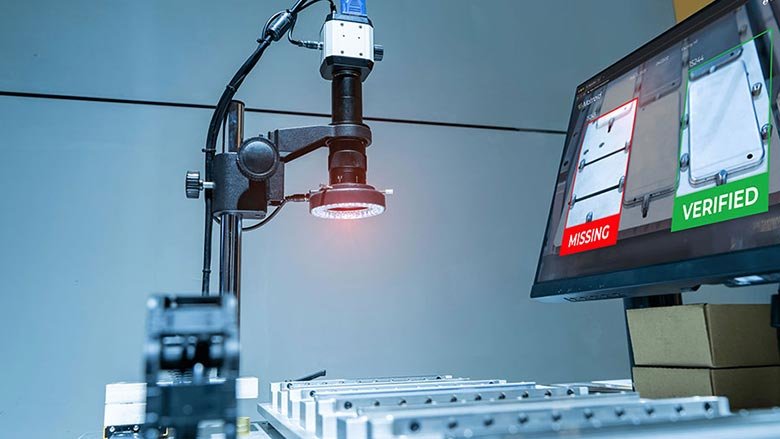
Artificial intelligence is transforming the manufacturing sector by enabling smarter, more efficient processes and minimizing unnecessary waste. As industries face increasing pressure to optimize resources and reduce environmental impact, AI-driven solutions are becoming essential tools for achieving these goals. This article explores the practical ways how AI reduces manufacturing waste and enhances operational efficiency, offering insights for manufacturers looking to stay competitive and sustainable.
Manufacturers are adopting AI-powered systems to detect defects, predict maintenance needs, and optimize production lines. These technologies not only cut costs but also support quality assurance and sustainability initiatives. For organizations seeking to maintain high standards and adapt to changing market demands, understanding the role of AI in waste reduction is crucial.
To further explore advanced AI inspection techniques, manufacturers can benefit from resources like retraining strategies for ai inspection, which provide guidance on keeping AI models accurate and effective in dynamic production environments.
AI-Driven Quality Control Minimizes Defects
One of the most significant ways artificial intelligence reduces waste in manufacturing is through automated quality control. Traditional inspection processes often rely on manual checks, which can be inconsistent and prone to human error. AI-powered vision systems, on the other hand, use deep learning algorithms to identify defects on production lines with remarkable speed and accuracy.
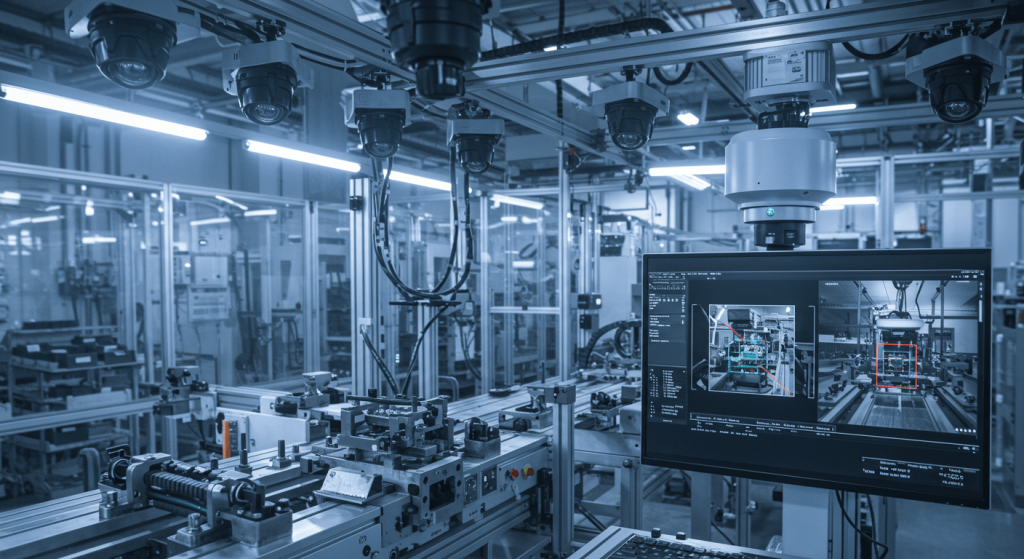
By catching flaws early, these systems prevent defective products from advancing through the supply chain or reaching customers. This proactive approach not only saves materials and energy but also protects brand reputation. For manufacturers dealing with high-volume or high-precision products, AI-based inspection can dramatically reduce the rate of rework and scrap.
Recent advances in deep learning for visual inspection have made it possible to detect even subtle anomalies that might escape human notice. These systems continuously learn from new data, improving their accuracy and adapting to changes in product design or manufacturing conditions.
Predictive Maintenance Cuts Downtime and Material Loss
Unplanned equipment failures are a major source of waste in manufacturing. When machines break down unexpectedly, production halts, and materials in process can be lost or damaged. AI-powered predictive maintenance uses sensor data and machine learning models to anticipate failures before they occur.
By analyzing vibration, temperature, and other operational signals, AI systems can alert maintenance teams to potential issues, allowing repairs to be scheduled during planned downtime. This approach not only extends the lifespan of equipment but also minimizes the risk of producing defective parts due to malfunctioning machinery. As a result, manufacturers experience fewer disruptions, reduced waste, and lower maintenance costs.
For organizations looking to maximize the benefits of predictive maintenance, integrating AI with existing enterprise resource planning (ERP) and manufacturing execution systems (MES) can provide a holistic view of operations and further streamline maintenance workflows.
Process Optimization Through Data-Driven Insights
AI excels at analyzing vast amounts of production data to uncover inefficiencies and suggest improvements. By continuously monitoring variables such as temperature, pressure, and throughput, AI algorithms can identify patterns that lead to waste or suboptimal performance.

For example, AI can recommend adjustments to machine settings or production schedules to minimize energy use, reduce material consumption, or increase yield. These data-driven recommendations enable continuous improvement and help manufacturers respond quickly to changing conditions or customer requirements.
In addition, AI-powered analytics can support traceability initiatives, making it easier to track materials and processes from raw input to finished product. For more on this, see traceability in ai-driven manufacturing, which highlights the importance of end-to-end visibility in reducing waste and ensuring quality.
Reducing Waste with Smarter Inventory and Supply Chain Management
Another area where AI delivers significant waste reduction is in inventory and supply chain management. Overstocking and stockouts both contribute to waste—either through excess materials that expire or through production delays that lead to rushed, inefficient processes.
AI algorithms can forecast demand more accurately by analyzing historical sales data, market trends, and even external factors like weather or economic indicators. This enables manufacturers to maintain optimal inventory levels, reducing the risk of obsolescence and minimizing storage costs.
Furthermore, AI can optimize logistics by predicting the best routes and delivery schedules, reducing transportation waste and ensuring that materials arrive just in time for production. These efficiencies not only cut costs but also support sustainability goals by lowering the carbon footprint of manufacturing operations.
Challenges and Considerations When Implementing AI
While the benefits of AI in reducing waste and boosting efficiency are clear, successful implementation requires careful planning. Data quality is paramount—AI systems need large, accurate datasets to train effective models. Manufacturers may face challenges related to overcoming data scarcity in inspection, especially when dealing with new products or rare defects.
Additionally, integrating AI with legacy systems can be complex, and staff may require training to interpret AI-generated insights and act on recommendations. Ongoing model retraining and validation are essential to ensure that AI systems remain effective as production processes evolve. For tips on maintaining AI accuracy with limited data, see small dataset training for ai inspection.
Future Trends: Next-Generation AI in Manufacturing
The future of AI in manufacturing promises even greater efficiency and waste reduction. Emerging technologies such as vision transformers and advanced neural networks are pushing the boundaries of what’s possible in automated inspection and process optimization. For a deeper dive into these innovations, explore vision transformers for industrial use, which discusses next-generation vision systems designed for industrial environments.
As AI becomes more accessible and affordable, even small and medium-sized manufacturers can leverage these tools to stay competitive. The ongoing evolution of AI will continue to drive smarter, more sustainable manufacturing practices across industries.
Frequently Asked Questions
How does AI help reduce scrap and rework in manufacturing?
AI-powered inspection systems detect defects early in the production process, preventing faulty products from advancing down the line. By identifying issues in real time, manufacturers can address problems immediately, reducing the amount of scrap and minimizing the need for costly rework.
What types of manufacturing waste can AI help eliminate?
AI can address various forms of waste, including material waste from defective products, energy waste from inefficient processes, and time waste due to unplanned equipment downtime. It also helps optimize inventory, reducing excess stock and minimizing obsolescence.
Is AI implementation feasible for small manufacturers?
Yes, recent advancements have made AI solutions more accessible and scalable. Cloud-based platforms and pre-trained models allow smaller manufacturers to adopt AI-driven quality control, predictive maintenance, and process optimization without significant upfront investment.
What are the main challenges in deploying AI for waste reduction?
Common challenges include ensuring high-quality data for model training, integrating AI with existing systems, and maintaining model accuracy over time. Ongoing staff training and regular model updates are essential to maximize the benefits of AI in manufacturing.