
The maintenance and safety of bridges are critical for modern infrastructure, but traditional inspection methods are time-consuming, labor-intensive, and sometimes hazardous. Bridge inspection automation with drones and artificial intelligence (AI) vision technologies is transforming how engineers and authorities assess structural health. By leveraging these advanced tools, organizations can improve efficiency, reduce costs, and enhance the accuracy of defect detection.
As the demand for reliable and safe transportation networks grows, so does the need for smarter inspection solutions. Automated drone surveys, paired with AI-powered analysis, are quickly becoming the industry standard. These innovations not only streamline the inspection process but also provide detailed, actionable insights that were previously difficult to obtain.
For professionals interested in maximizing the effectiveness of automated inspections, understanding retraining strategies for ai inspection is essential. Keeping AI models up to date ensures that defect detection remains accurate as new data and conditions arise.
The Evolution of Bridge Inspection: From Manual to Automated
Historically, bridge assessments relied on manual visual checks, rope access, and under-bridge vehicles. While effective, these approaches present several challenges:
- High labor costs and time requirements
- Safety risks for inspectors working at heights or over water
- Limited access to hard-to-reach areas
- Potential for human error and inconsistent documentation
With the introduction of drone-based bridge inspections, many of these obstacles are being overcome. Unmanned aerial vehicles (UAVs) can quickly capture high-resolution images and video from multiple angles, covering large structures in a fraction of the time required by manual teams.
How Drones and AI Vision Work Together in Automated Bridge Assessments
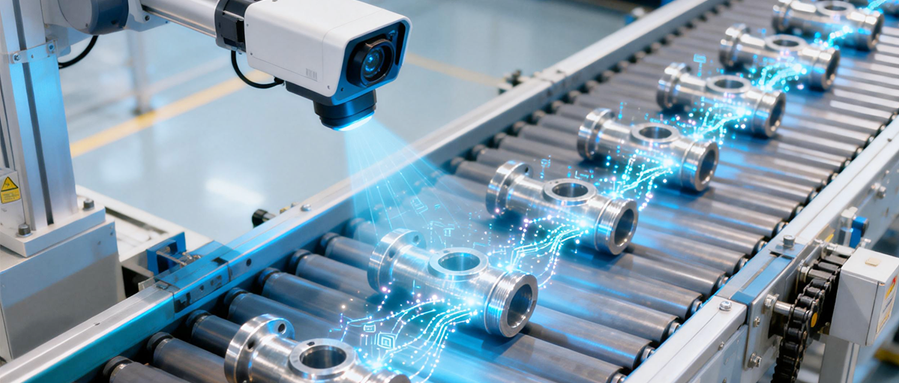
The synergy between UAVs and AI vision systems is at the heart of bridge inspection automation with drones. Here’s how the process typically unfolds:
- Flight Planning: Operators define flight paths and inspection points using mapping software, ensuring comprehensive coverage of the bridge structure.
- Data Collection: Drones equipped with cameras and sensors fly predetermined routes, capturing thousands of images and videos, even in challenging environments.
- AI-Powered Analysis: Advanced algorithms process the collected data, automatically detecting cracks, corrosion, spalling, and other defects. Machine learning models are trained to recognize subtle patterns that may indicate structural issues.
- Reporting and Visualization: The results are compiled into detailed reports, often with 3D models or annotated images, enabling engineers to prioritize maintenance and repairs.
This approach not only accelerates the inspection process but also enhances the consistency and reliability of findings. AI vision systems can be retrained and improved over time, especially when combined with strategies for overcoming data scarcity in inspection and utilizing small dataset training for ai inspection.
Key Benefits of Automated Drone-Based Bridge Inspections
Adopting automated bridge inspection with drones and AI vision delivers several tangible advantages:
- Improved Safety: Inspectors remain safely on the ground while drones access dangerous or hard-to-reach areas.
- Increased Efficiency: Large bridges can be surveyed in hours instead of days, minimizing traffic disruptions and downtime.
- Cost Savings: Reducing labor, equipment, and road closure expenses leads to significant savings over time.
- Enhanced Data Quality: High-resolution imagery and AI-driven analysis provide more precise and objective defect identification.
- Repeatable and Consistent Results: Automated workflows ensure that inspections are standardized and easily repeatable for ongoing monitoring.
For a deeper look at the technology behind these advancements, explore this comprehensive overview of AI and drone systems in infrastructure inspection.

Challenges and Considerations in Automated Bridge Inspections
While the benefits are substantial, there are important factors to consider when implementing drone and AI-based inspection systems:
- Regulatory Compliance: UAV operations must adhere to local aviation regulations, including flight permissions and pilot certifications.
- Data Management: Handling and storing large volumes of image and sensor data require robust IT infrastructure and cybersecurity measures.
- Model Accuracy: AI vision models must be regularly updated to account for new types of defects and changing environmental conditions. For ongoing accuracy, organizations should explore vision transformers for industrial use and other next-generation AI techniques.
- Environmental Factors: Weather, lighting, and physical obstructions can affect drone flight and image quality.
- Integration with Existing Workflows: Ensuring that automated inspection results are compatible with asset management and maintenance planning systems is essential for operational success.
Future Trends in Bridge Inspection Automation
The field of bridge inspection automation with drones is evolving rapidly. Several trends are shaping the future of this technology:
- Real-Time Defect Detection: Advances in edge computing allow drones to process data on-board and flag critical issues during flight.
- Autonomous Flight and Swarm Drones: Fully autonomous UAVs and coordinated drone fleets can further reduce human intervention and inspection times.
- Integration with Digital Twins: Combining inspection data with digital twin models enables predictive maintenance and lifecycle management.
- Enhanced Traceability: Leveraging traceability in ai-driven manufacturing principles ensures that every inspection and maintenance action is documented and auditable.
As AI and drone technologies mature, their adoption in infrastructure monitoring will only accelerate, offering new possibilities for proactive asset management and public safety.
FAQ: Bridge Inspection Automation with Drones and AI Vision
How accurate are drone-based bridge inspections compared to traditional methods?
Automated drone inspections, when combined with advanced AI vision, can match or exceed the accuracy of manual surveys. High-resolution imagery and machine learning algorithms enable the detection of subtle defects that may be missed by the human eye. Consistency and repeatability are also improved, reducing the risk of oversight.
What types of defects can AI vision systems detect during bridge inspections?
AI-powered analysis can identify a wide range of issues, including cracks, corrosion, spalling, delamination, and deformation. As models are retrained with new data, their ability to recognize emerging or rare defects continues to improve.
Are there limitations to using drones for bridge inspections?
While drones offer significant advantages, they can be affected by weather conditions, GPS signal loss, and physical obstacles. Regulatory restrictions may also limit where and when UAVs can be flown. However, ongoing advancements in drone hardware and AI software are steadily reducing these limitations.