

Manufacturing plants face constant pressure to reduce waste, improve efficiency, and maintain high product standards. Lean manufacturing quality systems are a proven approach for achieving these goals by integrating process control, continuous improvement, and data-driven decision-making. These systems help organizations minimize defects, lower costs, and deliver consistent quality—directly supporting operational excellence.
Incorporating robust quality management practices is no longer optional for manufacturers aiming to stay competitive. By leveraging lean methodologies, plants can identify sources of waste, implement corrective actions, and foster a culture of ongoing improvement. This article explores how these systems work, the benefits they deliver, and practical steps for successful implementation.
For those interested in tracking the right metrics, understanding manufacturing performance indicators is essential to measuring progress and identifying areas for improvement.
Understanding Lean Principles in Quality Management
The foundation of lean manufacturing quality systems lies in the core principles of lean: eliminating waste, optimizing processes, and focusing on value from the customer’s perspective. In quality management, this translates to preventing defects rather than detecting them after the fact, and ensuring that every step in the production process adds value.
Key lean principles applied to quality systems include:
- Value Stream Mapping: Visualizing every step in the process to identify and remove non-value-adding activities.
- Standardized Work: Creating clear, repeatable procedures to reduce variation and errors.
- Continuous Improvement (Kaizen): Encouraging small, incremental changes that collectively drive major improvements.
- Just-in-Time Production: Producing only what is needed, when it is needed, to minimize inventory and reduce waste.
- Built-in Quality (Jidoka): Empowering operators and systems to detect and address quality issues immediately.
By embedding these principles into quality management, manufacturers can proactively address the root causes of waste and defects, rather than reacting to problems after they occur.
How Lean Manufacturing Quality Systems Reduce Plant Waste
Waste in manufacturing can take many forms: defective products, overproduction, excess inventory, unnecessary motion, waiting time, and more. Lean quality systems target each of these areas by introducing controls and feedback loops that catch issues early and prevent them from recurring.
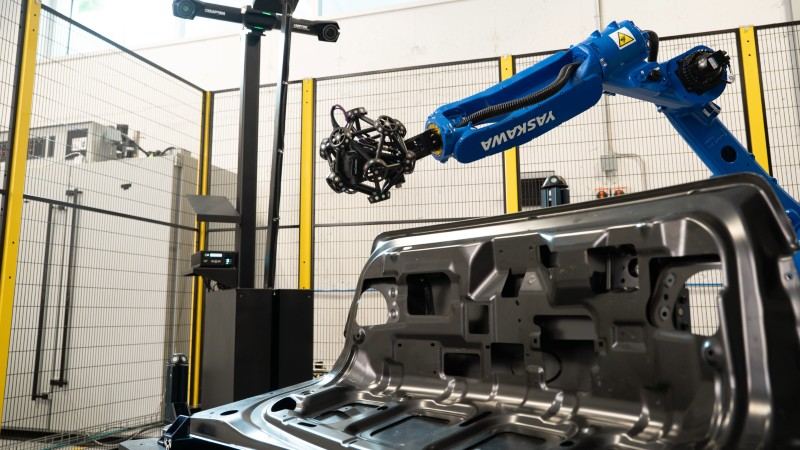
Some of the most effective strategies include:
- Real-Time Monitoring: Using sensors and software to track production quality as it happens, enabling immediate corrective action.
- Root Cause Analysis: Applying tools like the “5 Whys” and fishbone diagrams to uncover the underlying reasons for defects or inefficiencies.
- Quality at the Source: Training operators to inspect and verify quality at each stage, rather than relying solely on end-of-line inspection.
- Automated Data Collection: Digitizing quality records to spot trends, measure improvements, and support compliance.
For example, integrating OEE monitoring and quality control can help plants quickly identify bottlenecks and sources of downtime, further reducing waste and boosting productivity.
Key Components of Effective Lean Quality Systems
A successful lean quality approach is built on several critical components that work together to drive continuous improvement and waste reduction:
-
Standardized Procedures
Documented work instructions ensure that every operator follows best practices, reducing variability and mistakes. -
Visual Management
Tools like dashboards, color-coded signals, and floor markings make it easy to spot abnormalities and maintain process discipline. -
Employee Empowerment
Involving frontline workers in problem-solving and process improvement leads to faster detection and resolution of quality issues. -
Continuous Monitoring
Implementing continuous monitoring solutions ensures that data is always up to date, supporting proactive decision-making. -
Feedback Loops
Regular reviews and audits help teams learn from mistakes and share best practices across shifts and departments.
These elements form the backbone of a robust quality management system that not only reduces waste but also supports a culture of excellence.
Implementing Lean Quality Systems: Steps for Success
Adopting a lean-based quality system requires careful planning and commitment from all levels of the organization. Here are practical steps to get started:

- Assess Current State: Map existing processes, identify sources of waste, and gather baseline data on quality performance.
- Set Clear Objectives: Define measurable goals such as reducing scrap rates, minimizing rework, or improving first-pass yield.
- Engage Employees: Train staff on lean principles and empower them to suggest improvements and participate in problem-solving.
- Implement Standard Work: Develop and roll out standardized procedures, ensuring everyone follows the same best practices.
- Leverage Technology: Use digital tools for real-time monitoring, data collection, and analysis to support rapid decision-making.
- Review and Adjust: Regularly evaluate progress, celebrate wins, and refine processes based on feedback and data.
For organizations looking to track progress effectively, adopting quality KPI tracking systems can provide the visibility needed to sustain improvement efforts.
Benefits of Lean Quality Management in Manufacturing
Implementing a lean approach to quality delivers significant advantages for manufacturing operations:
- Reduced Waste: By catching defects early and standardizing processes, plants minimize scrap, rework, and unnecessary inventory.
- Higher Product Quality: Consistent procedures and real-time monitoring ensure products meet or exceed customer expectations.
- Lower Costs: Less waste and fewer defects translate directly into cost savings on materials, labor, and warranty claims.
- Improved Employee Engagement: Empowered teams are more motivated to identify and solve problems, driving a culture of ownership.
- Faster Problem Resolution: Immediate feedback and root cause analysis enable rapid response to quality issues.
- Enhanced Customer Satisfaction: Reliable quality leads to fewer complaints, returns, and lost business.
Plants that focus on lean manufacturing quality systems often see measurable improvements in both operational efficiency and customer loyalty.
Integrating Quality Systems with Broader Plant Operations
Lean quality management does not operate in isolation. It should be integrated with other plant initiatives such as maintenance, supply chain management, and production planning. For example, aligning quality efforts with downtime reduction through quality monitoring can help prevent unplanned stoppages and keep production on track.
Additionally, extending lean quality practices to packaging and shipping—such as through packaging line quality monitoring—ensures that finished goods reach customers without errors or damage, further reducing waste and protecting brand reputation.
Common Challenges and How to Overcome Them
While the benefits are clear, implementing lean quality systems can present challenges:
- Resistance to Change: Employees may be hesitant to adopt new procedures. Overcome this by involving them early, providing training, and highlighting the benefits.
- Data Overload: Too much data can be overwhelming. Focus on key metrics and use visual management tools to make information actionable.
- Maintaining Momentum: Sustaining improvement requires ongoing leadership support and regular review of progress.
- Integration with Legacy Systems: Upgrading or connecting older equipment may require investment and careful planning.
By anticipating these obstacles and addressing them proactively, manufacturers can ensure long-term success with their quality initiatives.
FAQ
What are the main types of waste targeted by lean quality systems?
Lean quality approaches focus on eliminating several types of waste, including defects, overproduction, waiting, unnecessary motion, excess inventory, transportation, and underutilized talent. By addressing these areas, plants can streamline operations and improve efficiency.
How does real-time monitoring support lean quality management?
Real-time monitoring provides immediate feedback on production quality, allowing operators to detect and correct issues before they escalate. This proactive approach reduces scrap, prevents rework, and supports continuous improvement.
Can lean quality systems be applied in highly automated plants?
Yes, lean quality principles are highly compatible with automation. Automated systems can collect and analyze data, enforce standardized procedures, and trigger alerts when deviations occur, all of which support lean objectives and waste reduction.