
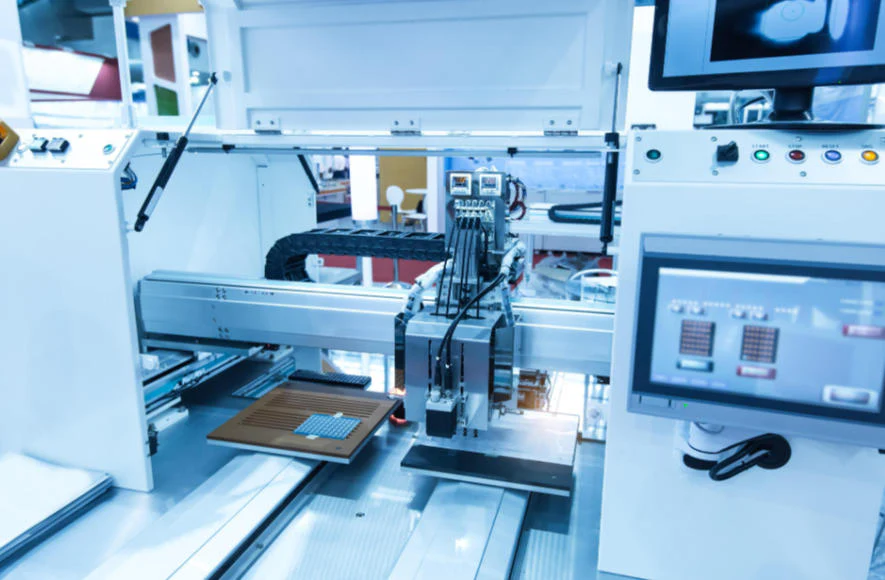
In modern manufacturing, ensuring that every product leaving the line meets rigorous quality standards is essential for brand reputation, regulatory compliance, and customer satisfaction. End of line inspection systems play a pivotal role in this process, acting as the final safeguard before goods are shipped to customers. These automated solutions are designed to detect defects, verify packaging, and confirm product integrity, helping manufacturers minimize recalls, reduce waste, and maintain high levels of efficiency.
As production speeds increase and product complexity grows, manual inspection methods are no longer sufficient for most industries. Automated inspection technologies leverage advanced sensors, machine vision, and artificial intelligence to deliver reliable, repeatable results at scale. By integrating these systems into the final stages of production, manufacturers can identify issues before products reach the market, ultimately protecting both consumers and their own bottom line.
Understanding how these inspection solutions fit into a broader quality management strategy is crucial. For organizations seeking to optimize their operations, tracking manufacturing performance indicators provides valuable insights into process efficiency and product quality, complementing the capabilities of automated inspection systems.
How Automated Inspection Works at the End of the Line
End of line inspection systems are typically positioned at the final stage of the production process, just before products are packaged or shipped. These systems use a combination of cameras, sensors, and software algorithms to inspect products for a wide range of defects and inconsistencies. Common inspection criteria include:
- Surface defects (scratches, dents, discoloration)
- Dimensional accuracy and geometry
- Label verification and barcode readability
- Seal integrity and packaging completeness
- Presence or absence of critical components
The inspection process is typically non-contact and non-destructive, allowing for high-speed evaluation without interrupting the production flow. When a defect is detected, the system can automatically trigger rejection mechanisms, alert operators, or log the event for further analysis.
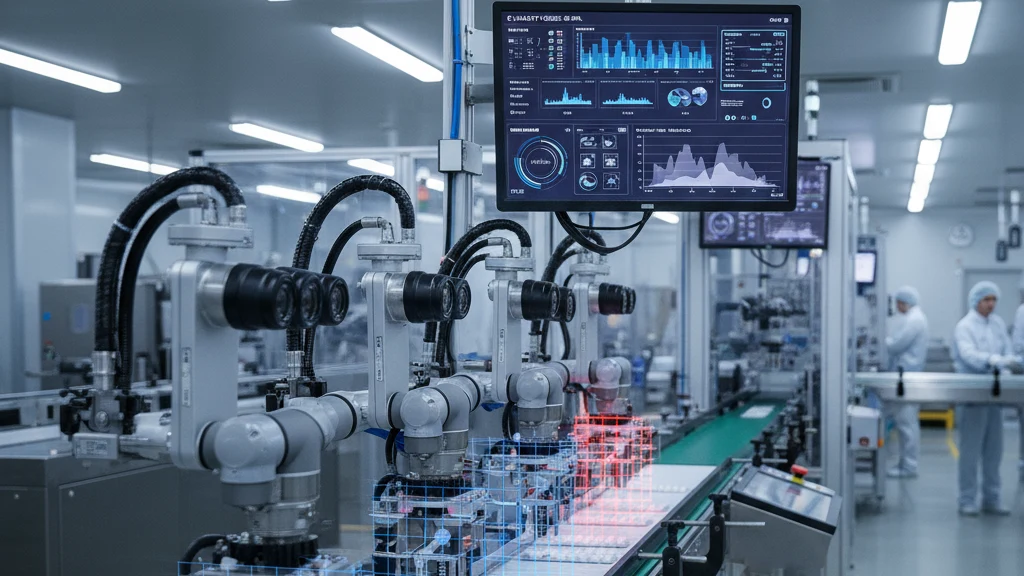
Key Benefits of Final Stage Inspection Solutions
Implementing robust end-of-line inspection brings a host of advantages to manufacturers. Some of the most significant benefits include:
- Consistent Product Quality: Automated systems deliver objective, repeatable inspections, reducing the risk of human error and ensuring every item meets the same standards.
- Reduced Waste and Rework: Early detection of defects prevents faulty products from reaching customers and minimizes costly recalls or returns.
- Improved Compliance: Many industries, such as pharmaceuticals and food, require strict adherence to regulatory standards. Automated inspection helps maintain compliance with minimal manual intervention.
- Increased Throughput: High-speed inspection enables manufacturers to maintain or even increase production rates without sacrificing quality.
- Data-Driven Decision Making: Inspection systems generate valuable data that can be used to identify trends, optimize processes, and support continuous improvement initiatives.
For those interested in maximizing plant efficiency, integrating inspection with OEE monitoring and quality control systems can provide a holistic view of operational performance.
Technologies Powering Modern Inspection Systems
The effectiveness of end-of-line inspection relies on a combination of advanced technologies. Some of the most widely used components include:
- Machine Vision: High-resolution cameras and image processing algorithms can detect visual defects, verify labels, and check assembly accuracy.
- 3D Sensors: Time-of-flight and laser-based sensors enable precise measurement of product dimensions and surface profiles.
- Artificial Intelligence: AI-driven software can learn to recognize complex defect patterns, adapt to new products, and reduce false positives.
- Barcode and OCR Readers: These tools ensure that product identification and traceability requirements are met.
- Connectivity and Data Integration: Modern systems can interface with MES, ERP, and quality management platforms for seamless data exchange and reporting.
The choice of technology depends on the specific requirements of the production line, the types of defects to be detected, and the speed of operation.
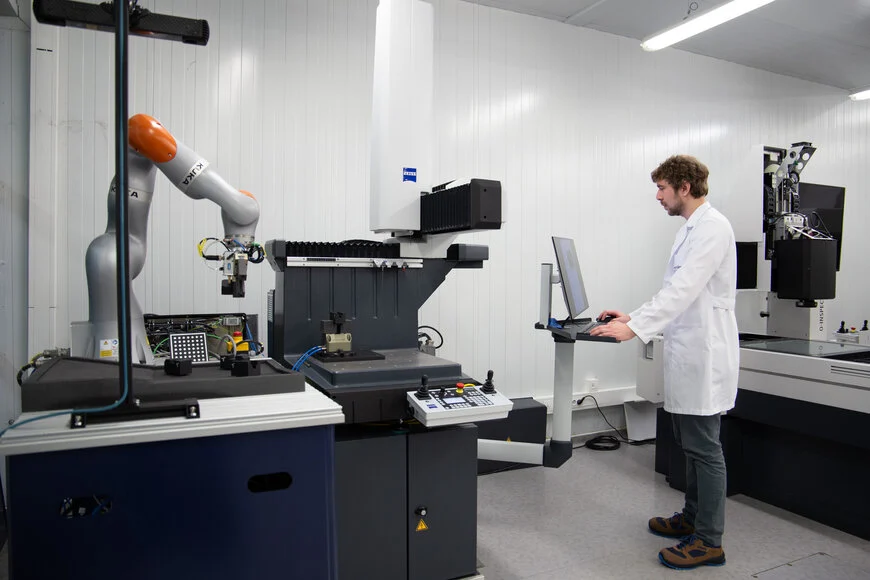
Integrating Inspection with Broader Quality Strategies
While automated inspection at the end of the line is crucial, it should be viewed as one component of a comprehensive quality assurance framework. Effective manufacturers combine these systems with upstream process controls, real-time monitoring, and continuous improvement practices.
For example, leveraging quality KPI tracking systems allows organizations to measure and respond to quality trends across the entire production process. Similarly, deploying packaging line quality monitoring solutions can help prevent shipping errors and ensure that only compliant products leave the facility.
Data collected from inspection systems can also be used to support downtime reduction through quality monitoring, helping manufacturers identify root causes of production stoppages and implement corrective actions.
Real-Time Monitoring and Industry Trends
The latest generation of inspection systems offers real-time monitoring and analytics capabilities, enabling manufacturers to respond immediately to quality issues. By integrating inspection data with production monitoring platforms, organizations can gain a comprehensive view of plant performance and quality trends.
According to industry experts, the adoption of real-time monitoring delivers significant benefits, including faster response to defects, improved traceability, and enhanced process optimization. For a deeper understanding of these advantages, explore the benefits of real-time production monitoring and how they contribute to a more agile manufacturing environment.
Other notable trends include the use of artificial intelligence for predictive quality analytics, cloud-based data management, and the integration of inspection systems with enterprise resource planning (ERP) software. These advancements are making it easier for manufacturers to maintain high quality standards while adapting to changing market demands.
Challenges and Best Practices for Implementation
While the benefits of automated inspection are clear, successful implementation requires careful planning and execution. Some common challenges include:
- Ensuring compatibility with existing production lines and IT systems
- Training staff to operate and maintain new equipment
- Managing data integration and cybersecurity risks
- Balancing inspection speed with accuracy
To maximize the return on investment, manufacturers should:
- Clearly define inspection criteria and quality standards
- Select technologies that match their specific needs and production environment
- Invest in staff training and ongoing support
- Continuously monitor system performance and update inspection algorithms as needed
By following these best practices, organizations can ensure that their inspection solutions deliver reliable, long-term value.
Frequently Asked Questions
What types of defects can end-of-line inspection systems detect?
These systems can identify a wide range of issues, including surface flaws, dimensional inaccuracies, missing or incorrect labels, packaging errors, and the absence of critical components. The specific capabilities depend on the technologies used and the inspection criteria set by the manufacturer.
How do automated inspection systems improve overall plant efficiency?
By catching defects before products leave the facility, automated inspection reduces the need for rework, minimizes waste, and helps prevent costly recalls. The data generated can also be used to optimize production processes, reduce downtime, and support continuous improvement initiatives.
Are these inspection solutions suitable for all industries?
While especially common in sectors like automotive, food and beverage, pharmaceuticals, and electronics, automated inspection can be adapted to virtually any industry where product quality and compliance are critical. The choice of system and configuration will depend on the specific requirements of each application.