
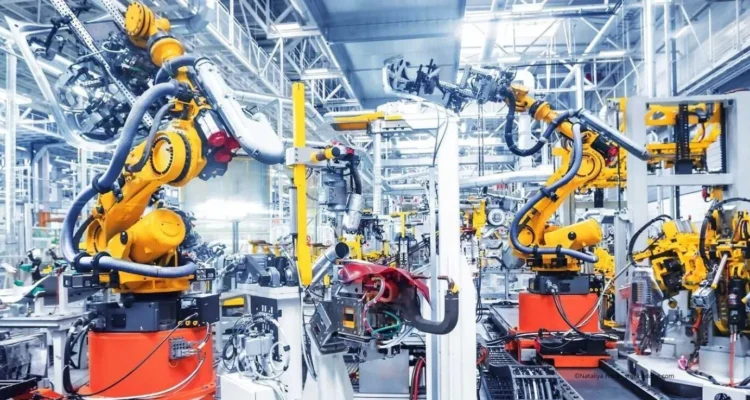
In today’s fast-paced manufacturing and production environments, maintaining high product standards while meeting tight deadlines is a constant challenge. Quality assurance automation tools have become essential for organizations aiming to streamline inspection processes, reduce human error, and deliver consistent results. By leveraging these solutions, companies can not only accelerate their inspection workflows but also gain deeper insights into their operations, leading to improved efficiency and customer satisfaction.
Adopting automation in quality control is no longer a luxury—it’s a necessity for businesses that want to remain competitive. Automated systems can handle repetitive inspection tasks, collect and analyze data in real time, and provide actionable feedback to operators and managers. For those interested in tracking the effectiveness of their quality initiatives, exploring manufacturing performance indicators is a valuable step toward optimizing plant operations and ensuring continuous improvement.
Understanding Automated Quality Inspection
Automated quality inspection refers to the use of advanced technologies—such as machine vision, robotics, and artificial intelligence—to evaluate products and processes without direct human intervention. These systems can rapidly detect defects, measure dimensions, and verify compliance with specifications, all while minimizing the risk of oversight or inconsistency.
The adoption of quality assurance automation tools is transforming industries ranging from automotive and electronics to pharmaceuticals and food processing. Automation not only increases throughput but also enables organizations to collect large volumes of inspection data, which can be analyzed to identify trends, root causes of defects, and opportunities for process improvement.

Key Benefits of Quality Inspection Automation
Integrating automated solutions into quality control processes offers several tangible advantages:
- Increased Speed: Automated systems can inspect products much faster than manual methods, allowing for higher throughput and reduced bottlenecks.
- Consistency and Accuracy: Machines do not tire or lose focus, ensuring that every inspection is performed to the same standard.
- Data Collection and Analytics: Automation tools generate detailed inspection records, supporting data-driven decision-making and continuous improvement.
- Cost Savings: By reducing labor costs and minimizing rework or recalls due to missed defects, automation delivers long-term financial benefits.
- Enhanced Traceability: Automated systems can track and document every inspected item, supporting compliance and quality audits.
For companies aiming to further boost efficiency, integrating OEE monitoring and quality control systems can help maximize plant performance and ensure that quality objectives are consistently met.
Types of Quality Assurance Automation Tools
There are several categories of automation solutions designed to enhance inspection processes. The most common include:
- Machine Vision Systems: These use cameras and image processing algorithms to inspect products for surface defects, dimensional accuracy, and assembly completeness. They are widely used in electronics, automotive, and packaging industries.
- Automated Optical Inspection (AOI): AOI systems are particularly valuable in electronics manufacturing, where they check printed circuit boards (PCBs) for soldering issues, missing components, and other defects.
- Robotic Inspection: Robots equipped with sensors and cameras can perform complex inspection tasks, such as measuring parts or checking weld quality, with high repeatability.
- Non-Destructive Testing (NDT) Automation: Automated NDT tools use ultrasonic, X-ray, or magnetic techniques to inspect internal structures without damaging the product.
- Automated Data Collection and Reporting: Software platforms can aggregate inspection results, generate real-time dashboards, and trigger alerts for out-of-spec conditions.

How Automation Accelerates Inspection Processes
The speed advantage of automated inspection is one of its most compelling benefits. Unlike manual checks, which are subject to fatigue and variability, automated systems can operate continuously and at high speed. For example, a machine vision system can inspect hundreds or thousands of parts per minute, instantly flagging any deviations from the required standards.
Automation also enables real-time monitoring and feedback. When integrated with manufacturing execution systems (MES), these tools can halt production lines, trigger corrective actions, or adjust process parameters automatically. This minimizes the risk of producing large batches of defective products and supports a proactive approach to quality management.
For organizations focused on minimizing downtime, adopting downtime reduction through quality monitoring strategies can further enhance productivity and reduce costs associated with unplanned stoppages.
Choosing the Right Inspection Automation Solution
Selecting the most suitable automation tools for quality control depends on several factors:
- Product Complexity: Highly complex products may require advanced machine vision or multi-sensor systems.
- Inspection Criteria: Consider whether you need to detect surface defects, measure dimensions, verify assembly, or perform internal checks.
- Production Volume: High-speed lines benefit most from automation, while lower-volume operations may require more flexible solutions.
- Integration Requirements: Ensure that the chosen tools can interface with existing MES, ERP, or quality management systems.
- Scalability: Look for solutions that can grow with your business and adapt to changing inspection needs.
To measure the impact of automation, implementing quality KPI tracking systems can provide valuable insights into process improvements and help set benchmarks for future performance.
Best Practices for Implementing Quality Automation
To maximize the benefits of automated inspection, organizations should follow these best practices:
- Define Clear Objectives: Establish what you want to achieve with automation—whether it’s reducing defects, increasing throughput, or improving traceability.
- Start with a Pilot Project: Test automation on a single line or product to evaluate its effectiveness before scaling up.
- Train Staff: Ensure that operators and quality engineers understand how to use and maintain the new systems.
- Monitor Performance: Use real-time dashboards and analytics to track inspection results and identify areas for further improvement.
- Continuously Improve: Regularly review inspection data and adjust processes or equipment as needed to maintain optimal performance.
For additional insights into the benefits of real-time data in manufacturing, consider reading about real-time monitoring benefits and how they can transform quality assurance strategies.
Industry Applications and Trends
Automated inspection tools are now standard in industries where precision and compliance are critical. In automotive manufacturing, machine vision systems check for paint defects, assembly errors, and dimensional accuracy. In pharmaceuticals, automated systems verify packaging integrity and label correctness, ensuring regulatory compliance and patient safety.
Emerging trends include the integration of artificial intelligence and machine learning, which enable systems to learn from inspection data and improve defect detection over time. Cloud-based platforms are also gaining traction, allowing for centralized data analysis and remote monitoring of multiple production sites.
For companies focused on packaging, leveraging packaging line quality monitoring solutions can prevent shipping errors and protect brand reputation.
Frequently Asked Questions
What are the main advantages of using automation in quality assurance?
The primary benefits include faster inspection cycles, improved accuracy and consistency, reduced labor costs, and enhanced traceability. Automation also enables real-time data collection and analytics, supporting continuous improvement efforts.
Can automated inspection systems replace human inspectors entirely?
While automation can handle repetitive and high-speed inspection tasks, human expertise remains valuable for complex decision-making and process optimization. The best results are often achieved by combining automated tools with skilled personnel.
How do I determine which automation tools are right for my production line?
Assess your product complexity, inspection requirements, production volume, and integration needs. Start with a pilot project to evaluate different technologies and consult with solution providers to find the best fit for your operations.