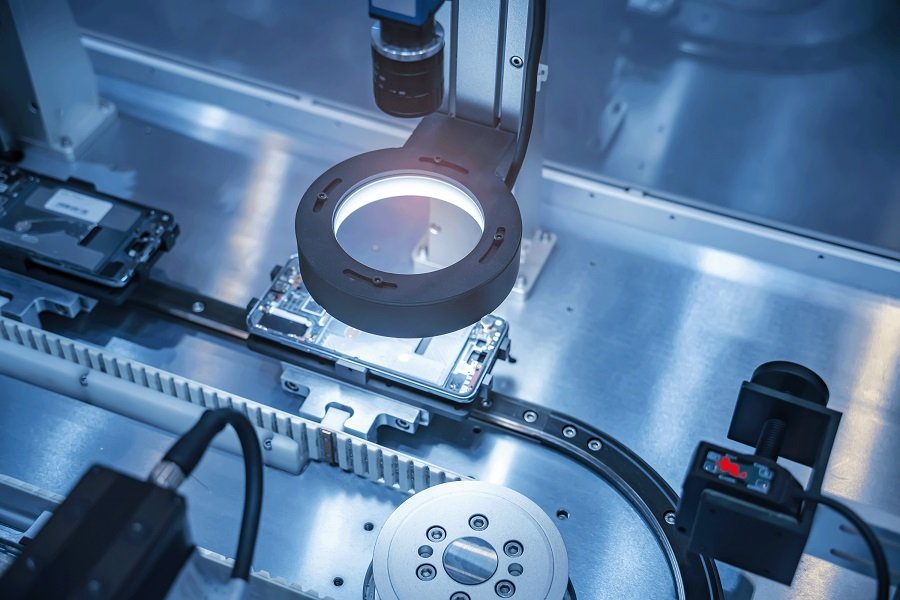
The rapid evolution of industrial automation and artificial intelligence has transformed how manufacturers approach quality control and inspection. As organizations seek to optimize their inspection systems, a key decision emerges: whether to process data in the cloud or at the edge. Understanding the differences between cloud vs edge computing for inspection is essential for selecting the right architecture for your specific needs.
Both cloud-based and edge-based solutions offer unique benefits and challenges. The optimal choice depends on factors such as latency requirements, data security, infrastructure costs, and the complexity of inspection tasks. In this article, we’ll explore the core concepts, compare the two approaches, and provide practical guidance for making an informed decision.
For those interested in advanced model maintenance, consider exploring retraining strategies for AI inspection to keep your systems performing at their best.
Understanding Cloud and Edge Computing in Industrial Inspection
Before diving into the comparison, it’s important to clarify what each approach entails. Cloud computing refers to leveraging remote servers—often hosted by third-party providers—to process, store, and analyze inspection data. This model enables centralized management, scalability, and access to powerful computing resources.
On the other hand, edge computing processes data locally, near the source of data generation. In inspection contexts, this typically means running AI models and analytics directly on cameras, sensors, or local gateways installed on the factory floor. This proximity to the data source can offer significant advantages for certain use cases.
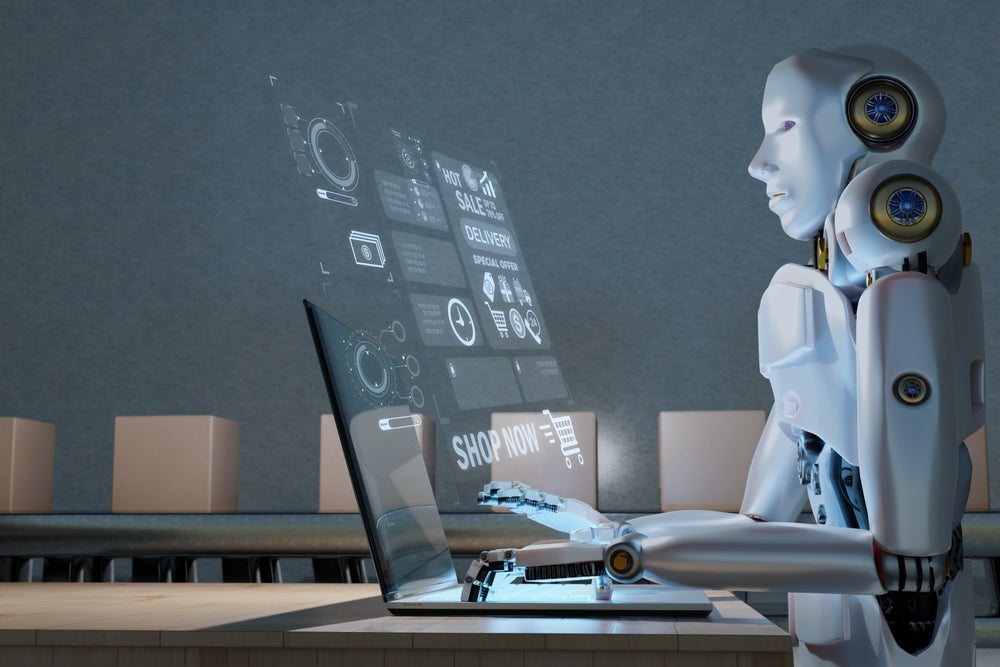
Key Differences: Cloud vs Edge Computing for Inspection Tasks
When evaluating cloud vs edge computing for inspection, several critical factors come into play. Each approach has strengths and limitations that can impact performance, cost, and operational efficiency.
Latency and Real-Time Processing
One of the most significant differences is latency. Edge computing excels in scenarios where real-time or near-real-time decision-making is required. By processing data locally, edge devices can detect defects or anomalies in milliseconds, enabling immediate responses such as rejecting faulty products or triggering alarms.
Cloud-based systems, while powerful, often introduce network delays due to the need to transmit large volumes of image or sensor data to remote servers. This delay can be problematic for high-speed production lines or safety-critical applications.
Data Security and Privacy
Data sensitivity is another crucial consideration. Edge computing keeps inspection data on-premises, reducing exposure to external networks and potential breaches. This is especially important for industries with strict regulatory requirements or proprietary processes.
Cloud solutions, while offering robust security features, require careful management of data transmission and storage. Encryption, access controls, and compliance with standards such as GDPR are essential to mitigate risks.
Scalability and Maintenance
Cloud platforms shine when it comes to scalability. Organizations can easily scale up resources, deploy new inspection models, and manage updates centrally. This is ideal for enterprises with multiple facilities or those seeking to leverage advanced analytics and machine learning at scale.
Edge devices, in contrast, require local maintenance and updates. While this can be more labor-intensive, it also allows for greater customization and control over individual inspection points.
Infrastructure and Cost Considerations
The choice between cloud and edge architectures also affects infrastructure costs. Cloud solutions often operate on a subscription or pay-as-you-go model, reducing upfront investment but potentially increasing long-term operational expenses as data volumes grow.
Edge computing may require higher initial investment in hardware, but can lower ongoing costs by minimizing data transmission and cloud service fees. The total cost of ownership should be evaluated based on the expected scale and complexity of inspection operations.
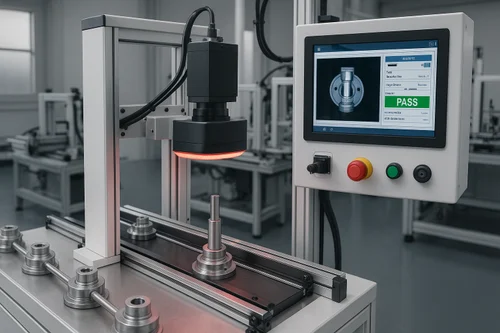
Use Cases: When to Choose Cloud or Edge for Inspection
Selecting the right architecture depends on the specific requirements of your inspection process. Below are some common scenarios where each approach excels:
- Edge computing is ideal for high-speed production lines, safety-critical inspections, and environments with limited or unreliable internet connectivity.
- Cloud computing is well-suited for centralized data analysis, large-scale model training, and applications that benefit from integration with enterprise systems or remote monitoring.
- Hybrid approaches are increasingly popular, combining local processing for immediate actions with cloud-based analytics for long-term optimization and reporting.
For a deeper look at how AI is transforming quality control, see this overview of AI benefits in inspection and quality control.
Challenges and Considerations in Deployment
Implementing either architecture comes with its own set of challenges. For edge deployments, hardware compatibility, device management, and model updates can be complex. Ensuring consistent performance across distributed devices requires robust monitoring and maintenance strategies.
Cloud deployments, while easier to manage centrally, depend on reliable connectivity and sufficient bandwidth. Data transfer costs and latency must be considered, especially for high-resolution image or video inspection.
Organizations should also evaluate their ability to manage and retrain AI models as inspection requirements evolve. For practical tips on maximizing efficiency with limited data, explore small dataset training for AI inspection.
Future Trends: Evolving Inspection Architectures
The landscape of industrial inspection is rapidly evolving. Advances in AI, IoT, and connectivity are blurring the lines between cloud and edge solutions. Emerging technologies such as vision transformers for industrial use promise even greater accuracy and flexibility in visual inspection tasks.
Hybrid architectures are gaining traction, enabling organizations to leverage the strengths of both approaches. For example, initial defect detection can occur at the edge, while detailed analytics and model retraining are handled in the cloud. This balance allows for real-time responsiveness without sacrificing the benefits of centralized intelligence.
Making the Right Choice for Your Inspection Needs
Ultimately, the decision between cloud and edge computing depends on your unique operational goals, technical constraints, and business priorities. Key questions to consider include:
- How critical is real-time response in your inspection process?
- What are your data privacy and security requirements?
- Do you need to scale inspection across multiple sites?
- What is your budget for infrastructure and ongoing maintenance?
By carefully weighing these factors, you can design an inspection system that delivers optimal performance, reliability, and value. For organizations facing data limitations, strategies for overcoming data scarcity in inspection can further enhance the effectiveness of both cloud and edge solutions.
FAQ: Cloud and Edge Computing for Inspection
What are the main benefits of edge computing in inspection systems?
Edge computing offers ultra-low latency, immediate decision-making, and enhanced data privacy by keeping sensitive information on-premises. This is especially valuable for fast-moving production lines and regulated industries.
How does cloud computing support large-scale inspection operations?
Cloud solutions provide centralized management, easy scalability, and access to advanced analytics and machine learning resources. They are ideal for organizations that need to coordinate inspection across multiple locations or require powerful data processing capabilities.
Can cloud and edge computing be combined in inspection applications?
Yes, hybrid architectures are increasingly common. Local edge devices handle real-time detection, while the cloud is used for deeper analytics, model retraining, and long-term data storage. This approach balances responsiveness with advanced intelligence.