
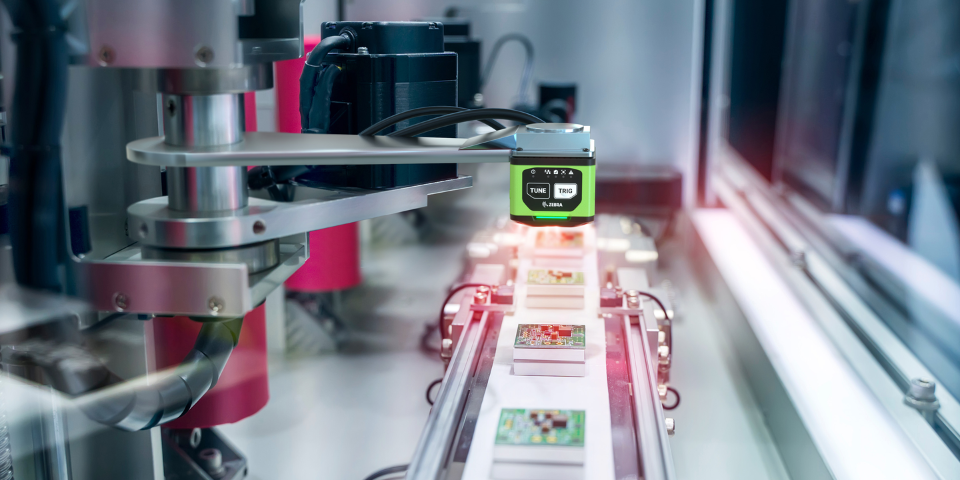
Launching a successful ai inspection pilot project checklist is a crucial first step for manufacturers and quality teams looking to harness artificial intelligence for automated visual inspection. With the right preparation and a structured approach, organizations can minimize risk, maximize learning, and set the stage for scalable deployment. This article provides a comprehensive, practical roadmap to help you navigate the complexities of piloting AI-based inspection systems, from initial planning to post-pilot evaluation.
Before diving into the checklist, it’s important to recognize that every facility and use case is unique. However, certain best practices and milestones apply universally. Drawing on industry insights and proven methodologies, this guide outlines the essential steps, key considerations, and common pitfalls to avoid. For those interested in advanced topics like keeping AI models sharp over time, see our resource on retraining strategies for ai inspection.
Why a Structured Pilot Matters
Adopting AI for inspection is more than just installing new software or cameras. It involves integrating advanced algorithms with your existing processes, retraining staff, and establishing new data flows. A well-defined pilot project helps you:
- Validate technical feasibility and ROI before full-scale rollout
- Identify process gaps and integration challenges early
- Build internal buy-in and confidence among stakeholders
- Collect actionable data to refine both technology and workflow
Without a clear ai inspection pilot project checklist, teams risk wasted effort, unclear results, and missed opportunities for improvement.
Core Elements of an Effective AI Inspection Pilot Checklist
To ensure a smooth launch and meaningful results, your pilot should cover several key areas. Below is a breakdown of the most important components to include in your planning and execution.
1. Define Objectives and Success Metrics
Start by clarifying what you want to achieve. Are you aiming to reduce false positives, increase throughput, or improve defect detection rates? Establish measurable goals such as:
- Target accuracy or precision/recall rates
- Reduction in manual inspection hours
- Decrease in customer returns or warranty claims
Agree on how success will be measured and what data will be collected to support your evaluation.
2. Select the Right Use Case and Scope
Choose a process or product line where AI inspection can deliver clear value and where data is readily available. Avoid overly complex or low-volume scenarios for your first pilot. Define the project’s boundaries—what’s in scope and what’s not—to prevent scope creep and ensure focused results.
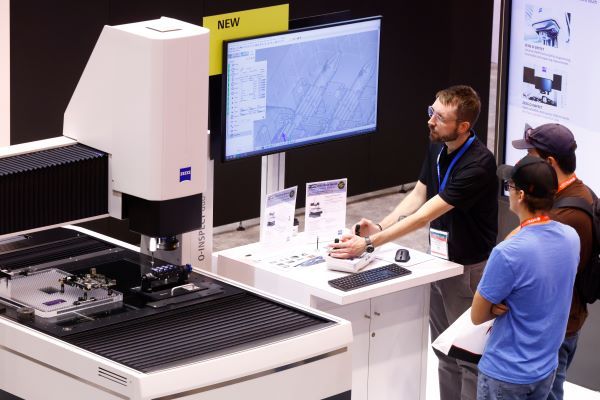
3. Assemble the Right Team
Successful pilots require cross-functional collaboration. Include:
- Quality engineers and process owners
- IT and automation specialists
- AI/ML experts or solution vendors
- Operators and frontline staff
Assign clear roles and responsibilities, and establish regular communication channels to keep everyone aligned.
4. Prepare Data and Infrastructure
High-quality data is the backbone of any AI project. Gather representative images or sensor data, ensuring a mix of normal and defective samples. Consider the need for high-resolution imaging for ai models to maximize model performance. Set up the necessary hardware (cameras, lighting, compute resources) and ensure integration with your existing systems.
5. Engage with Vendors and Technology Partners
Work closely with your AI solution provider to tailor the system to your specific needs. Ask about model retraining, support, and integration capabilities. For guidance on choosing the right partner, explore our advice on vendor selection for industrial ai.
Executing the Pilot: Step-by-Step
Once planning is complete, move forward with a disciplined execution process:
6. Baseline Current Performance
Document your current inspection process, including defect rates, throughput, and costs. This baseline will be essential for comparing pilot results and demonstrating value.
7. Deploy and Monitor the AI System
Install and configure the AI inspection solution in the chosen environment. Begin with a limited run to validate system setup, then ramp up to full pilot operation. Monitor performance in real time, collecting both quantitative metrics and qualitative feedback from operators.

8. Analyze Results and Iterate
Compare pilot outcomes to your original goals. Did the AI system meet or exceed expectations? Identify areas for improvement—such as model retraining, process tweaks, or additional data collection. For advanced tuning, consider leveraging reinforcement learning in robotic inspection to further optimize performance.
9. Document Lessons Learned
Capture both successes and challenges. Document technical findings, change management insights, and operator feedback. This knowledge will inform future pilots and broader deployment.
Common Pitfalls and How to Avoid Them
Even with a solid ai inspection pilot project checklist, teams can encounter obstacles. Watch out for these common issues:
- Insufficient data quality or quantity: Invest time in data preparation and labeling.
- Unclear success criteria: Align stakeholders on what “good” looks like from the start.
- Poor change management: Involve operators early and provide adequate training.
- Underestimating integration complexity: Plan for IT and automation challenges, especially with legacy systems.
For a deeper dive into the role of advanced vision models, see our article on vision transformers for industrial use.
Scaling Up After a Successful Pilot
Once your pilot delivers positive results, the next step is scaling. Develop a roadmap for broader rollout, including:
- Standardizing processes and documentation
- Expanding to additional lines or facilities
- Continuous monitoring and improvement
Stay proactive about model maintenance and retraining to ensure long-term success. For more on this, revisit our earlier link to retraining strategies for ai inspection.
Industry Insights and Further Reading
For more perspectives on how AI is transforming quality control in manufacturing, explore this comprehensive overview of AI-powered quality control from industry experts. Staying informed about the latest trends and solutions can help you refine your approach and maximize ROI.
Frequently Asked Questions
What is the most important factor for a successful AI inspection pilot?
The most critical factor is clear definition of objectives and success metrics. Without measurable goals, it’s difficult to assess whether the pilot achieved its intended outcomes or to justify further investment.
How much data do I need for an AI inspection pilot?
While requirements vary, a representative dataset should include hundreds to thousands of images, covering both normal and defective cases. Data diversity is key—include different lighting, angles, and defect types to ensure robust model training and evaluation.
Can I reuse the pilot checklist for future projects?
Absolutely. While each project will have unique aspects, a well-structured ai inspection pilot project checklist provides a repeatable framework. Adjust the details as needed for new products, lines, or facilities, but keep the core steps consistent for best results.