
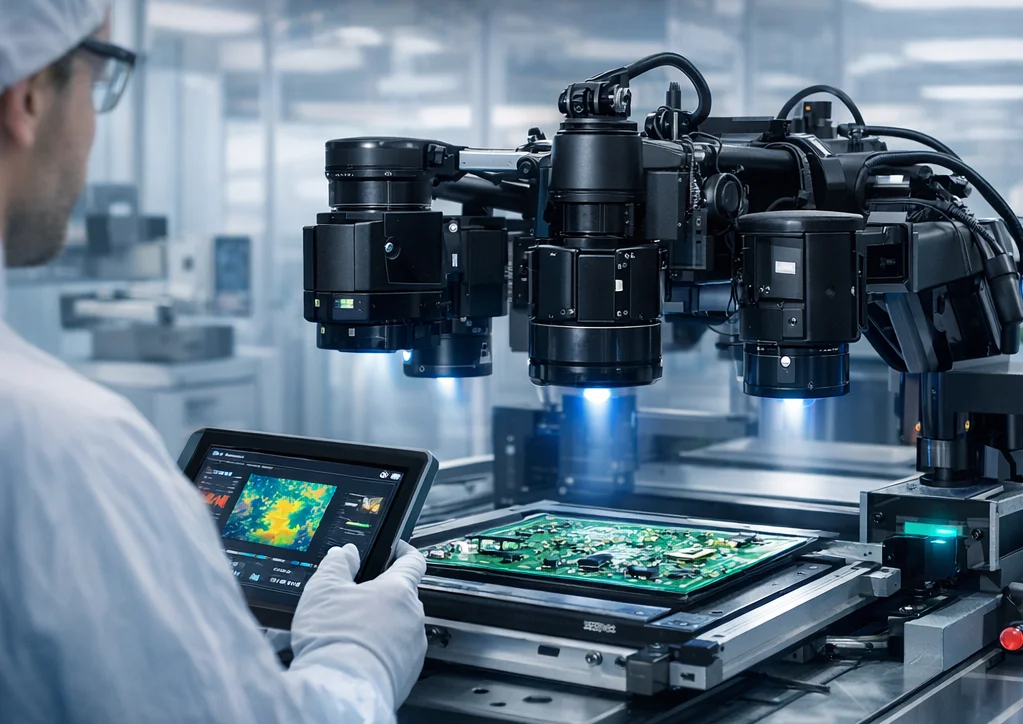
The integration of artificial intelligence into industrial inspection has transformed quality control, but the most effective systems don’t rely solely on automation. Human-in-the-loop AI inspection models combine the speed and consistency of machine learning with the nuanced judgment of human experts. This collaborative approach addresses the limitations of both traditional manual inspection and fully automated AI, resulting in more robust, adaptable, and trustworthy quality assurance processes.
In this article, we’ll explore how these hybrid inspection systems work, their advantages, and practical considerations for implementation. We’ll also highlight how organizations can keep their models sharp and effective over time, referencing proven retraining strategies for AI inspection that ensure ongoing accuracy and reliability.
The Evolution of Quality Control: From Manual to Hybrid Systems
Quality inspection has always been a cornerstone of manufacturing and production. Traditionally, human inspectors relied on their expertise to spot defects, but this approach is time-consuming, subjective, and prone to fatigue. The introduction of AI-powered inspection brought speed and consistency, yet early systems often struggled with edge cases, rare defects, or changing production environments.
Human-in-the-loop AI inspection models emerged as a solution to these challenges. By involving human experts in the training, validation, and ongoing operation of AI systems, organizations achieve a balance between efficiency and accuracy. This synergy allows for rapid identification of defects while ensuring that ambiguous or novel cases receive expert attention.
How Human Expertise Enhances AI Inspection Workflows
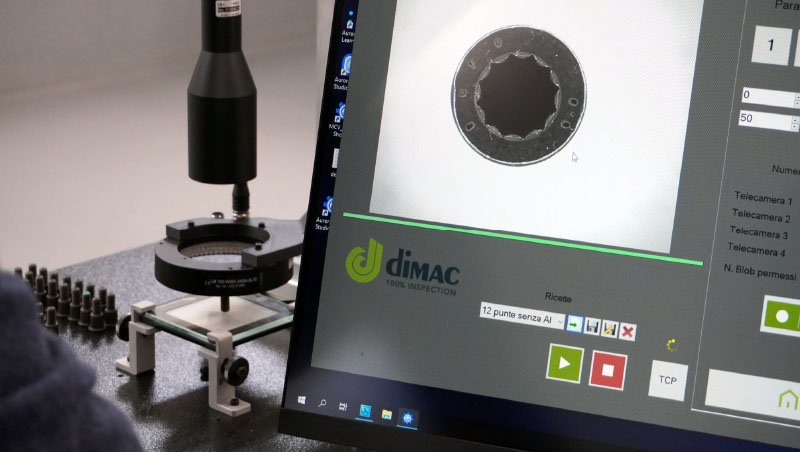
The core strength of hybrid inspection systems lies in their ability to learn from both data and human feedback. Here’s how the process typically unfolds:
- Initial Model Training: AI models are trained on labeled datasets, often curated or annotated by human experts who define what constitutes a defect or anomaly.
- Real-Time Operation: During production, the AI system inspects items and flags uncertain or borderline cases for human review.
- Continuous Feedback Loop: Human inspectors validate or correct the AI’s decisions, providing new labeled data that is fed back into the model for retraining and refinement.
- Adaptation to Change: As products, materials, or defect types evolve, human input ensures the inspection system remains relevant and accurate.
This collaborative cycle not only improves detection rates but also helps address issues like overcoming data scarcity in inspection by leveraging expert knowledge to supplement limited datasets.
Key Benefits of Human-in-the-Loop Inspection Approaches
Organizations adopting these hybrid models report several significant advantages:
- Higher Accuracy: Human oversight catches errors that AI might miss, especially in rare or ambiguous cases.
- Reduced False Positives/Negatives: The system learns from human corrections, minimizing unnecessary rejections or missed defects.
- Faster Model Improvement: Direct feedback accelerates the learning curve, allowing for rapid adaptation to new defect types or production changes.
- Trust and Transparency: Human involvement makes the inspection process more explainable and auditable, which is crucial for regulated industries.
- Cost Efficiency: By automating routine checks and reserving human attention for complex cases, resources are used more effectively.
Challenges and Considerations When Implementing Hybrid Inspection
While the benefits are clear, deploying human-in-the-loop AI inspection models requires careful planning:
- Data Quality: The success of these systems depends on accurate, well-labeled data. Human annotators must be trained and processes standardized.
- Workflow Integration: The inspection pipeline should be designed so that human intervention is efficient and does not create bottlenecks.
- Change Management: Employees may need training to work effectively with AI tools and to trust the system’s recommendations.
- Scalability: As production scales, the balance between automated and manual review must be continuously optimized.
- Security and Traceability: Maintaining a record of human interventions and AI decisions is essential for audits and compliance, as discussed in traceability in ai-driven manufacturing.
Best Practices for Maintaining Effective Inspection Systems
To maximize the value of hybrid inspection, organizations should adopt strategies that keep models accurate and responsive:
- Regular Model Retraining: Incorporate new data and human feedback to address drift and evolving defect profiles. For practical tips, see retraining strategies for ai inspection.
- Leverage Small Datasets: In scenarios with limited defect examples, techniques such as those outlined in small dataset training for ai inspection can help build robust models.
- Adopt Advanced Architectures: Explore next-generation models like vision transformers for industrial use to enhance performance on complex visual tasks.
- Continuous Human-AI Collaboration: Maintain open channels for human experts to provide input, validate results, and flag new types of anomalies.
For a broader perspective on the impact of AI in manufacturing quality control, review this overview of AI benefits for quality control in manufacturing.
Industry Applications and Future Outlook
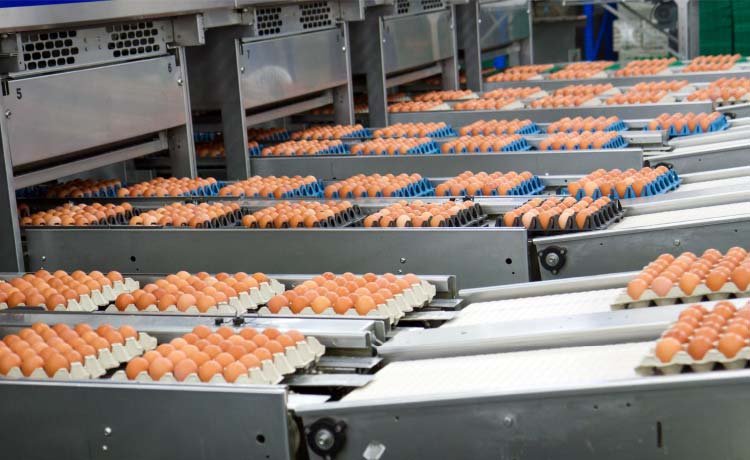
Hybrid inspection systems are being adopted across a range of industries, from electronics and automotive to food and beverage. Their ability to adapt to new products, materials, and regulatory requirements makes them especially valuable in fast-changing environments.
Looking ahead, the role of human experts will remain vital, even as AI models become more sophisticated. The best results are achieved when technology and human judgment work in tandem, creating inspection processes that are not only efficient but also resilient and trustworthy.
Frequently Asked Questions
What are the main advantages of using human-in-the-loop inspection models?
These systems combine the speed and consistency of AI with the nuanced decision-making of human experts. This leads to higher accuracy, faster adaptation to new defect types, and greater trust in inspection outcomes.
How do organizations ensure their hybrid inspection models stay accurate over time?
Regular model retraining, continuous feedback from human inspectors, and the integration of new data are key. Leveraging strategies for retraining and small dataset training helps maintain high performance even as production changes.
Can these inspection systems be scaled for large manufacturing operations?
Yes, but it requires careful workflow design to balance automation with human review. As production volume increases, organizations must optimize when and how human intervention occurs to prevent bottlenecks while maintaining quality.