
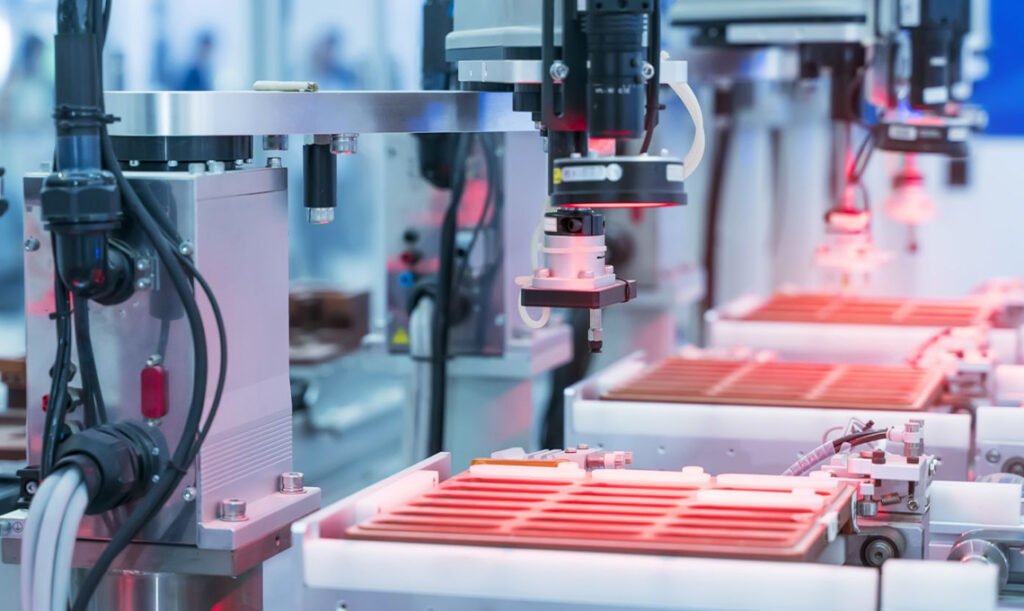
Maintaining high standards in vehicle production is essential for car manufacturers aiming to deliver reliable, safe, and competitive products. Automotive manufacturing quality monitoring involves a comprehensive set of practices, technologies, and processes designed to detect defects, ensure compliance, and optimize production efficiency across every stage of assembly. As automotive plants face increasing pressure to reduce recalls, minimize waste, and meet stringent regulatory requirements, robust quality oversight has become a cornerstone of operational excellence.
Modern car plants leverage a mix of automated inspection systems, real-time data analytics, and continuous improvement methodologies to achieve consistent product quality. These efforts not only safeguard brand reputation but also help reduce costs associated with rework and warranty claims. For organizations seeking to stay ahead, understanding the latest advancements in quality assurance is crucial. For those interested in how these systems are evolving, our resource on next generation quality monitoring systems explores innovative approaches shaping the future of factory oversight.
Key Elements of Quality Oversight in Car Production
Effective automotive manufacturing quality monitoring is built on several foundational elements. These include standardized inspection protocols, integration of advanced sensor technology, and the use of real-time data to drive decision-making. Each of these components plays a vital role in identifying issues early and ensuring that only vehicles meeting strict criteria reach the end customer.
- Standardized Inspection Protocols: Clear, repeatable procedures for checking components and assemblies help maintain consistency across shifts and production lines.
- Sensor Integration: Cameras, laser scanners, and other sensors automate the detection of defects, measuring everything from weld integrity to paint finish.
- Real-Time Data Analysis: Continuous monitoring and analytics allow teams to spot trends, address bottlenecks, and prevent recurring issues.
These elements are often supported by digital platforms that centralize quality data, making it easier for managers and engineers to track performance and implement corrective actions.
Technologies Powering Modern Quality Monitoring
The automotive sector has embraced a range of innovative technologies to enhance quality control. Automated optical inspection (AOI), machine learning algorithms, and industrial Internet of Things (IIoT) devices are now common in many plants. These tools enable rapid, objective, and highly accurate assessments of both individual parts and complete vehicles.
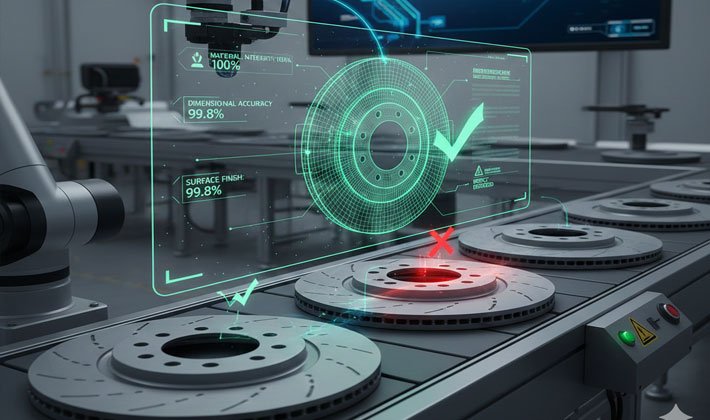
For example, vision systems can instantly detect surface flaws or misalignments that might be missed by the human eye. Machine learning models, trained on vast datasets, can predict potential failures or flag anomalies in production patterns. IIoT sensors provide continuous feedback on equipment performance, environmental conditions, and process variables—enabling proactive maintenance and rapid response to deviations.
These technologies not only improve defect detection rates but also support traceability, which is critical for root cause analysis and regulatory compliance.
Benefits of Comprehensive Quality Monitoring in Automotive Plants
Implementing robust quality monitoring for automotive manufacturing delivers significant advantages for car plants. Some of the most notable benefits include:
- Reduced Defects and Recalls: Early detection of issues minimizes the risk of defective vehicles reaching customers, protecting both safety and brand reputation.
- Lower Production Costs: Automated inspections and data-driven process improvements reduce waste, rework, and downtime.
- Regulatory Compliance: Detailed records and traceability help meet industry standards and legal requirements.
- Enhanced Customer Satisfaction: Consistent product quality leads to fewer complaints and stronger customer loyalty.
Plants that invest in advanced monitoring solutions often see measurable improvements in their key performance indicators, such as first-pass yield and overall equipment effectiveness. For a deeper dive into how these metrics are tracked, see our analysis on manufacturing performance indicators.
Challenges in Implementing Quality Monitoring Systems
Despite the clear benefits, deploying and maintaining effective quality monitoring in car plants comes with its own set of challenges. These may include:
- Integration Complexity: Merging new technologies with legacy systems can be difficult and may require significant investment in infrastructure and training.
- Data Overload: With so many sensors and inspection points, managing and interpreting large volumes of data can overwhelm teams without the right analytics tools.
- Change Management: Shifting from manual to automated processes often requires cultural change and ongoing support for staff.
- Cost Considerations: Initial setup costs for advanced monitoring systems can be high, though these are often offset by long-term savings.
To address these challenges, many manufacturers adopt a phased approach, starting with high-impact areas and gradually expanding coverage as teams become more comfortable with new technologies.
Continuous Improvement and Real-Time Monitoring
A key principle in automotive quality assurance is the commitment to continuous improvement. Real-time monitoring enables plants to not only catch defects as they occur but also to identify patterns and root causes over time. By leveraging continuous feedback loops, teams can implement corrective actions quickly and prevent similar issues from recurring.
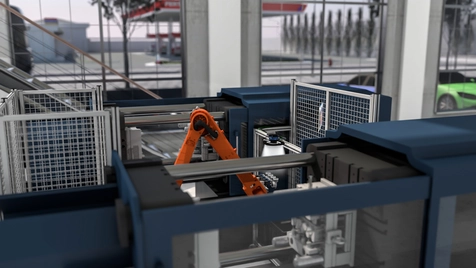
For organizations interested in best practices for ongoing oversight, the concept of continuous monitoring in manufacturing offers valuable insights into how real-time data can drive both compliance and operational improvements.
Best Practices for Effective Quality Oversight
To maximize the impact of quality monitoring in automotive manufacturing, plants should consider the following best practices:
- Standardize Processes: Ensure inspection protocols are clearly documented and consistently applied across all lines and shifts.
- Invest in Training: Equip staff with the skills needed to operate new technologies and interpret data effectively.
- Leverage Data Analytics: Use advanced analytics tools to turn raw data into actionable insights for process improvement.
- Foster a Culture of Quality: Encourage all employees to take ownership of quality, from the shop floor to management.
- Monitor Key Metrics: Track indicators such as defect rates, downtime, and yield to measure progress and identify areas for further improvement.
Adopting these practices helps ensure that monitoring efforts translate into tangible business results, including higher efficiency, better compliance, and stronger customer trust.
Integrating Quality Monitoring with Broader Manufacturing Goals
Quality assurance should not be viewed in isolation. Instead, it should be integrated with broader manufacturing objectives such as productivity, cost control, and sustainability. By aligning quality monitoring with initiatives like OEE monitoring and quality control, car plants can achieve a holistic approach to operational excellence.
Additionally, strategies that focus on downtime reduction through quality monitoring can further boost plant efficiency and profitability. When quality data is shared across departments, it enables cross-functional teams to collaborate on solutions that benefit the entire organization.
FAQ
What are the most common technologies used for quality monitoring in car plants?
Car plants commonly use automated optical inspection systems, machine vision, IIoT sensors, and data analytics platforms. These technologies help detect defects, monitor process variables, and provide real-time feedback to operators and engineers.
How does quality monitoring help reduce recalls and warranty claims?
By identifying defects early in the production process, quality monitoring systems prevent faulty vehicles from reaching customers. This reduces the likelihood of recalls and warranty claims, saving manufacturers significant costs and protecting their reputation.
What challenges do automotive manufacturers face when implementing new quality monitoring systems?
Key challenges include integrating new technologies with existing infrastructure, managing large volumes of data, training staff, and justifying the initial investment. Overcoming these hurdles often requires a phased implementation plan and strong leadership support.